Fertilization
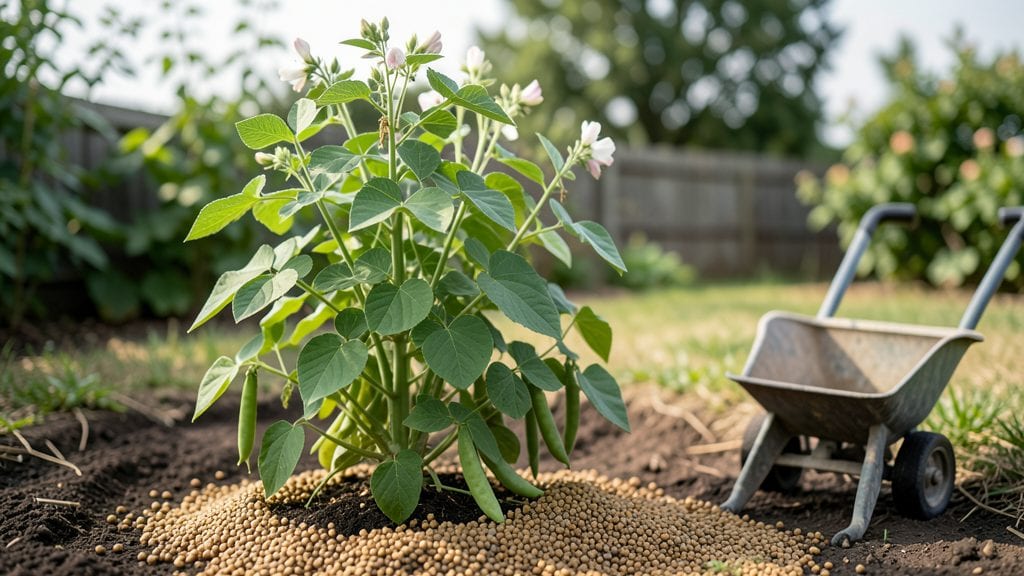
The right bean plant fertilizer can turn a handful of sad pods into a harvest that feeds the neighborhood—here’s how to pick the perfect one.
Struggling to get your bean plants to produce abundant, high-quality pods? The secret lies in mastering the right fertilizer ratios—especially nitrogen, phosphorus, and potassium—each playing a critical role in every growth stage.
Too much nitrogen and you’ll get lush leaves but no beans. Too little phosphorus and your roots won’t support the plant’s needs. And potassium? That’s what turns those green promises into actual pods you can snap and eat.
Below, I break down the exact fertilizer ratios for each stage, whether you’re growing bush or pole beans, and how to avoid the common mistakes that waste your time and money.

Optimal N-P-K ratios for bean plants by growth stage
Bean plants thrive when their nutrient needs align with their growth stages. Unlike many vegetables, beans fix nitrogen from the air, but they still require precise N-P-K ratios for healthy foliage, strong roots, and abundant pods.
The key is balancing these three nutrients—nitrogen (N) for leaf growth, phosphorus (P) for root development, and potassium (K) for pod production—at the right time.
Too much nitrogen early on leads to lush leaves but fewer pods, while phosphorus and potassium deficiencies stunt flowering and fruit set. Understanding these ratios ensures your plants channel energy into what matters most: high-yielding harvests.
Let’s break down the science-backed ratios for each growth phase to maximize your bean crop’s potential.
During the seedling stage (0-3 weeks), beans need minimal nitrogen to prevent leggy growth. A 5-10-10 ratio supports root development while keeping foliage in check. Think of this phase as laying the foundation—strong roots mean better nutrient uptake later.
I’ve seen seedlings with weak roots struggle even with perfect sunlight, so don’t skimp on phosphorus here.
As beans enter the vegetative stage (3-6 weeks), they crave more nitrogen to fuel leaf expansion, but phosphorus becomes equally critical. A 10-20-10 ratio balances growth without overloading the plant. This is where many gardeners go wrong—they add too much nitrogen, resulting in bushy plants with few pods.
I recommend a light application of compost tea to provide organic nutrients without burning young roots.
The flowering stage (6-8 weeks) is where phosphorus and potassium take center stage. Switch to a 5-30-20 ratio to encourage blooms and prevent flower drop. Potassium helps transport nutrients to developing flowers, while phosphorus strengthens the plant’s energy reserves.
I’ve noticed that beans in this stage benefit from a side-dressing of bone meal—it’s a phosphorus powerhouse that boosts flowering dramatically.
Once pods form, the game changes entirely. During the pod development stage (8-12 weeks), reduce nitrogen almost entirely and focus on potassium with a 0-10-30 ratio. Potassium enhances pod filling and improves disease resistance, which is crucial as plants mature.
Over-fertilizing with nitrogen now will lead to soft, stringy pods—something no one wants at harvest time. I’ve had the best success using a low-nitrogen fish emulsion during this phase.
For pole beans, which have a longer growing season, extend the potassium-heavy feeding by 2-3 weeks. Their vines require extra energy to support climbing, so a 5-10-20 ratio works well until harvest.
Bush beans, on the other hand, can handle a slightly higher phosphorus ratio (10-20-15) to compensate for their shorter growth cycle. Always monitor your plants—yellowing leaves signal nitrogen excess, while weak stems indicate phosphorus deficiency.
Timing is everything when it comes to fertilizing beans. Apply nutrients in the early morning to avoid leaf burn from heat stress. Water thoroughly after each application to help nutrients penetrate the soil
Best organic and synthetic fertilizers for bean plants
Choosing the right bean plant fertilizer can transform your garden from sparse pods to a bountiful harvest. Organic options like compost and bone meal enrich soil naturally, while synthetic blends provide precise nutrient control.
The key is matching your fertilizer to your bean variety—whether bush beans or pole beans—and your soil test results.
For organic gardeners, options like fish emulsion and alfalfa meal release nutrients slowly, improving soil health long-term. Synthetic fertilizers, such as 5-10-10 NPK blends, offer quick nutrient boosts but require careful application to avoid burning delicate roots. Let’s compare your best options based on cost, ease, and effectiveness.
Organic vs. Synthetic Fertilizers for Bean Plants
Compost
- Pros: Improves soil structure, slow-release nutrients, free/low-cost
- Cons: Nutrient content varies, requires time to break down
Bone Meal
- Pros: High in phosphorus (root/pod growth), fast-acting
- Cons: Can cause nitrogen deficiency, not for frequent use
Fish Emulsion
- Pros: Balanced NPK, improves soil microbes, liquid form for quick absorption
- Cons: Strong odor, requires dilution, more expensive
5-10-10 NPK Blend
- Pros: Balanced for beans, precise nutrient control, cost-effective
- Cons: Risk of over-fertilization, no soil improvement
Alfalfa Meal
- Pros: High in nitrogen, improves soil texture, slow-release
- Cons: Can attract pests, less phosphorus than bone meal
Worm Castings
- Pros: Gentle on plants, rich in micronutrients, improves drainage
- Cons: Expensive, limited availability, slower nutrient release
Start with a soil test to identify deficiencies. If your soil lacks phosphorus, bone meal is ideal for root and pod development. For a quick nutrient boost, use a 5-10-10 NPK blend during flowering. Organic gardeners often prefer fish emulsion for its balanced nutrients and soil benefits.
Apply fertilizers carefully—too much nitrogen leads to leafy growth but fewer pods. For pole beans, focus on potassium-rich fertilizers to support their climbing habit. Always water after application to prevent root burn and ensure nutrient absorption.
Cost-effectiveness matters too. Compost and worm castings are budget-friendly long-term solutions, while synthetic blends offer targeted results for faster growth. My go-to? A mix of compost at planting and fish emulsion every 4 weeks for consistent yields.
Remember: Less is more with beans. Over-fertilizing stresses plants and reduces pod quality. Monitor your plants’ response and adjust accordingly—healthy leaves and strong stems mean you’re on the right track!