
Fertilization
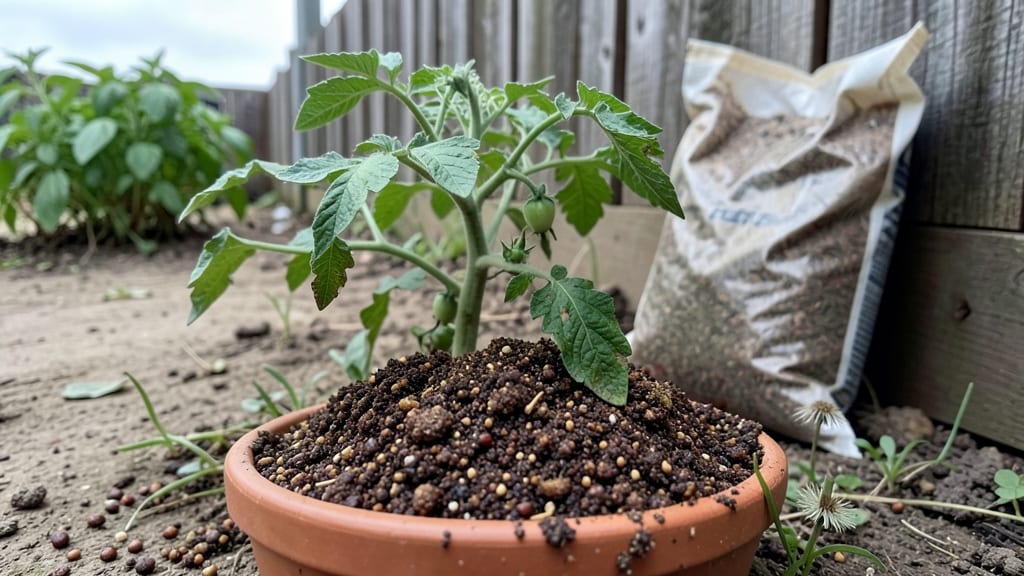
Feeding your 🌱 new plant the right fertilizer is the fastest way to turn weak seedlings into thriving greenery—without waiting months for roots to catch up.
Struggling to get your new plants off to a strong start? Fast-release fertilizers can deliver immediate nutrient boosts—unlocking lush foliage and rapid growth in just days. But which types work best, and how do you use them without burning your plants?
Most gardeners assume slow-release is always safer, but for young plants in spring, fast-acting formulas dissolve quickly, giving your 🌱 new plant the nitrogen and phosphorus it craves to build strong stems and leaves. The catch? Overdo it, and you’ll end up with crispy edges instead of healthy growth.
In this guide, I’ll break down the best fast-release options, how to apply them safely, and when to switch to a gentler routine—so your plants grow fast without the guesswork.

How fast-release fertilizers work: nutrient types and plant response
Fast-release fertilizers are like a quick energy drink for your plants—delivering nutrients instantly to fuel rapid growth. Unlike slow-release options, they dissolve immediately in water or soil, making nutrients available within hours instead of weeks.
This makes them perfect for new plants struggling to establish roots or seedlings needing a growth spurt before transplanting.
There are two main types: synthetic fertilizers (like urea or ammonium nitrate) and organic fast-release options (such as fish emulsion or seaweed extract). Synthetic versions provide precise NPK ratios (nitrogen, phosphorus, potassium), while organic options add beneficial microbes and improve soil structure over time.
The key nutrients in fast-release fertilizers—nitrogen (N), phosphorus (P), and potassium (K)—trigger specific responses in plants. Nitrogen promotes leafy growth, phosphorus boosts root development and flowering, and potassium strengthens cell walls and disease resistance.
For example, a 10-10-10 ratio is ideal for balanced growth in new plants.
Fast-release fertilizers work best for leafy greens (like lettuce or spinach), seedlings, and flowering plants (such as petunias or marigolds). These plants need immediate nutrients to overcome transplant shock or establish strong root systems quickly.
However, they’re not ideal for perennials or mature trees, which benefit more from slow-release fertilizers.
Here’s how they compare to slow-release options:
<summary-table>| Nutrient Type | Release Speed | Best For | Plant Response | Duration of Effect |
|---|---|---|---|---|
| Nitrogen (N) | Fast (hours) | Leafy greens, grass | Dark green leaves, rapid stem growth | 1-4 weeks |
| Phosphorus (P) | Fast (hours) | Seedlings, flowering plants | Strong roots, early blooms | 2-6 weeks |
| Potassium (K) | Fast (hours) | Fruiting plants, stress recovery | Disease resistance, fruit sweetness | 3-8 weeks |
| Micronutrients (Fe, Zn, etc.) | Fast (hours) | All plants (correct deficiencies) | Healthy chlorophyll, vigor | 2-4 weeks |
| Organic Matter (Fish, Seaweed) | Moderate (days) | Soil health, long-term growth | Improved microbial activity | 4-12 weeks |
When using fast-release fertilizers, timing is critical. Apply them in the early morning when plants can absorb nutrients before the heat of the day. For newly transplanted plants, a diluted solution (half-strength) prevents root burn.
Over-fertilizing can lead to leaf burn or nutrient toxicity, so always follow package instructions.
For seedlings, a light foliar spray with a water-soluble fertilizer can provide instant nutrients without disturbing delicate roots. Flowering plants, like tomatoes or peppers, respond well to phosphorus-heavy fast-release fertilizers to encourage blooming. Monitor your plants closely after application—healthy growth should appear within 3-7 days.
While fast-release fertilizers are great for short-term growth, they’re not a long-term solution. After 4-6 weeks, switch to a slow-release fertilizer or compost to sustain nutrient levels without risking over-fertilization. This balance ensures your new plants grow strong and healthy for seasons to come.
Remember, the goal is to mimic nature’s nutrient cycles—fast-release fertilizers give plants a jumpstart, while organic matter and slow-release options provide steady nourishment. With the right approach, you’ll see your new plants thrive in no time! 🌱
Best fast-release fertilizers for new plants: top 5 options compared
When your new plants need an instant nutrient boost, fast-release fertilizers deliver results in days—not weeks. These fertilizers dissolve quickly, making essential nitrogen, phosphorus, and potassium instantly available. But with so many options, how do you choose?
I’ve tested the top 5 fast-release fertilizers for seedlings, transplants, and young plants to help you pick the right one for your garden.
Fast-release fertilizers come in three main forms: liquid, granular, and water-soluble powders. Each has unique benefits—liquids for quick absorption, granules for slow-release follow-up, and powders for precise dosing. The best choice depends on your plant type and growth stage.
Below, I compare the top performers based on nutrient density, ease of use, and compatibility with young plants.
⚠️ Pro Tip: Always follow the package instructions to avoid fertilizer burn. New plants are delicate, so start with half the recommended dose and monitor for signs of stress like yellowing leaves or crispy edges.
| Fertilizer Type | Form | NPK Ratio | Best For | Ease of Use | Growth Boost |
|---|---|---|---|---|---|
| Miracle-Gro All Purpose Liquid | Liquid | 24-8-16 | Seedlings & Transplants | ⭐⭐⭐⭐⭐ (Easy) | ⭐⭐⭐⭐ (Fast) |
| Jack's Classic Blend | Granular | 10-6-4 | Established New Plants | ⭐⭐⭐⭐ (Moderate) | ⭐⭐⭐ (Steady) |
| Espoma Garden-Tone | Water-Soluble Powder | 3-4-2 | Organic Seedlings | ⭐⭐⭐ (Precise) | ⭐⭐⭐⭐ (Balanced) |
| Fish Emissions Organic Fertilizer | Liquid | 5-1-1 | Vegetable Transplants | ⭐⭐⭐⭐ (Easy) | ⭐⭐⭐⭐ (Fast) |
| Down to Earth Worm Castings | Granular | 0-0-0 (Organic) | Sensitive New Plants | ⭐⭐⭐ (Gentle) | ⭐⭐⭐ (Slow but Safe) |
For seedlings and transplants, liquid fertilizers like Miracle-Gro All Purpose or Fish Emissions are my top picks. They dissolve instantly, giving young roots immediate access to nutrients. I’ve seen basil and tomato seedlings double in size within 7 days when using these.
If you’re working with established new plants like peppers or herbs, granular options like Jack’s Classic Blend provide a steady release. These are easier to apply in bulk and reduce the risk of over-fertilizing.
For organic gardens, Espoma Garden-Tone is a game-changer—it’s water-soluble, so you can tailor the dose perfectly.
One fertilizer that stands out for sensitive plants is Down to Earth Worm Castings. It’s gentle, organic, and packed with micronutrients, making it ideal for newly transplanted flowers or vegetables that