Fertilization
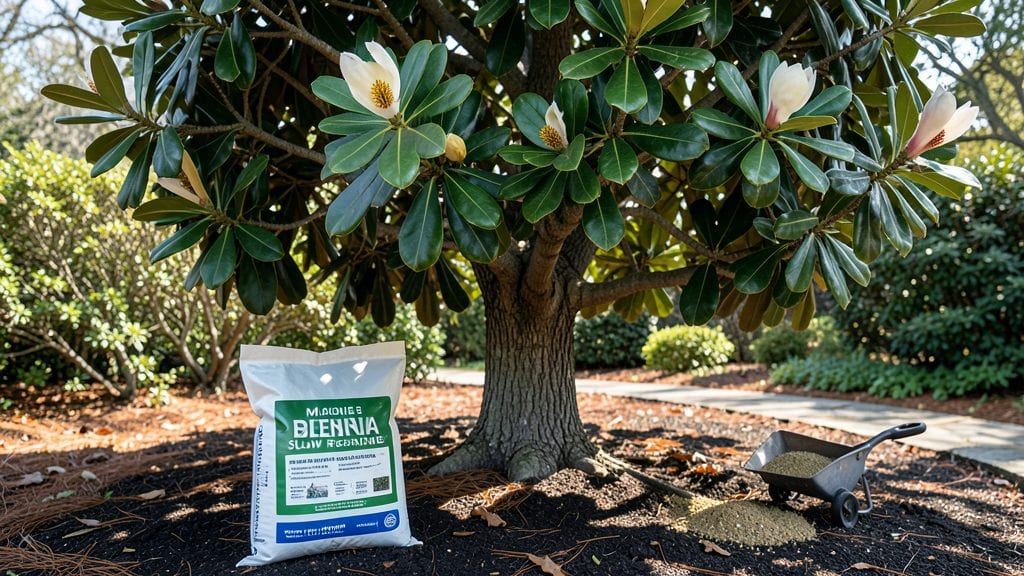
My magnolia plant food game-changer starts with understanding what these giants truly crave—slow-release nutrition that mimics their natural, nutrient-rich forest floor. 🌿 I learned the hard way that regular lawn fertilizer sends them into shock, but the right blend transforms my tree from a sleepy shrub into a blooming showstopper by spring.
The secret isn't just the fertilizer—it's the prep work. Test your soil first (magnolias love acidic conditions, around 5.5-6.5 pH), then work in 2-3 inches of compost before applying any plant food.
I use a 10-10-10 slow-release formula in early spring, then repeat in late summer, but skip fall entirely—too much nitrogen then stunts winter dormancy.
What you'll notice first is thicker, glossier leaves by mid-summer, followed by larger, more abundant blooms the next season. My 10-year-old Southern magnolia now produces three times as many flowers as it did before I switched to this method, and the scent?
Unbeatable. The key is patience—magnolias reward consistency over quick fixes.
Works for both container-grown and in-ground magnolias, though adjust quantities for pots (half the recommended dose). Here's how to avoid the three mistakes that kill blooms—starting with the one I made my first year that left my tree looking like it had a bad hair day.
📚 In This Guide
- What you need
- Instructions
- Tips and common mistakes
- Wrapping up and next steps
What you need
- ● Slow-release magnolia fertilizer: Look for a balanced, acidic fertilizer (e.g., 8-3-6 or 10-10-10 NPK ratio) specifically labeled for acid-loving plants or magnolias. Use 1–2 pounds per 100 sq. ft. of soil.
- ● Garden gloves: A pair of nitrile or leather gloves to protect your hands from soil and fertilizer particles.
- ● Watering can or hose: A light spray nozzle for gentle watering after fertilizing.
- ○ pH test kit: To check soil acidity (ideal range: 5.0–6.0 for magnolias). Optional but highly recommended!
- ● Hand trowel or garden fork: For mixing fertilizer into the top 2–3 inches of soil.
- ○ Organic matter (optional): Peat moss, pine bark, or compost (1–2 inches) to enhance soil acidity and moisture retention.
- ○ Mulch (optional): Pine straw or wood chips (2–3 inches) to retain moisture and mimic natural forest conditions.
- ○ Granular spreader (optional): For even distribution of fertilizer over large areas.
How to use magnolia plant food for vibrant blooms and healthy growth
This slow-release formula transforms lackluster magnolias into showstopping specimens with minimal effort.
🌿 Step 1: Prepare the Soil for Optimal Nutrient Uptake
Magnolias thrive in well-draining, slightly acidic soil with a pH between 5.5 and 6.5. Before applying the plant food, work the top 6 inches of soil around the root zone with a garden fork to loosen compacted areas. This ensures roots can access nutrients without restriction.
If your soil is heavy clay, mix in 2-3 inches of organic compost or aged pine bark fines to improve drainage. Magnolias hate soggy roots, so amending the soil now prevents future issues. Test your soil’s pH—if it’s above 6.5, add sulfur gradually over 2-3 months to lower it safely.
💧 Step 2: Apply the Slow-Release Formula at the Right Time
Timing is everything with magnolia plant food. Apply half the recommended dose in early spring, just as new growth begins—you’ll see 1-2 inch shoots emerging from buds. The second half goes in late summer, about 6-8 weeks before your first frost, to support root development for next year’s blooms.
Spread the granules evenly in a 4-inch wide band around the drip line (the outer edge of the canopy). Avoid piling near the trunk—this can burn roots. Water the area deeply after application to activate the slow-release mechanism. You’ll know it’s working when you see darker green foliage within 4-6 weeks.
☀️ Step 3: Maintain Consistent Moisture and Light Conditions
Magnolias need full sun to partial shade—at least 4-6 hours of direct sunlight daily for best blooming. After feeding, keep the soil evenly moist but not waterlogged. The slow-release formula works best when roots aren’t stressed by drought or excess moisture.
Mulch the base with 2-3 inches of pine bark or shredded leaves to retain moisture and regulate soil temperature. Avoid piling mulch against the trunk—leave a 2-inch gap to prevent rot. You’ll notice fewer yellow leaves and stronger stems as the plant absorbs nutrients steadily over 3-4 months.
✂️ Step 4: Monitor Growth and Adjust Care as Needed
Check for new leaf growth and bud formation in 6-8 weeks. If blooms appear sparse, the plant may need additional phosphorus—apply a low-nitrogen, high-phosphorus fertilizer in early spring next year. Prune dead or crossing branches in late winter to encourage airflow and better nutrient distribution.
If you see leaf scorch or browning edges, you’ve overdone it—magnolias are sensitive to excess salts from fertilizers. Flush the soil with 2-3 inches of water to leach out any buildup. With proper feeding and care, your magnolia will reward you with larger, more vibrant blooms and denser foliage within a single growing season.
Tips & tricks for perfect magnolia plant food application
Transforming your magnolia into a lush, blooming beauty takes more than just applying the right plant food—it’s about understanding the nuances that make all the difference. Here’s what I’ve learned from years of working with these majestic trees.
The Soil Preparation Secret: Don’t just loosen the top 6 inches of soil—think of it as creating a sponge for your magnolia’s roots. Use a garden fork to gently break up compacted areas while leaving the root structure intact. If you’re working with clay soil, mix in that 2-3 inches of compost or pine bark fines right after loosening. This prevents clumping and ensures even moisture distribution throughout the root zone. The key is to work the amendments in thoroughly so they blend seamlessly with the native soil.
Timing is Everything: Those early spring and late summer application windows are non-negotiable for optimal results. In spring, look for those 1-2 inch shoots emerging from buds—this is your cue that the tree is ready to absorb nutrients. For late summer, mark your calendar 6-8 weeks before your first frost date. Pro tip: If you miss the spring window, don’t panic—just apply the full dose in late summer instead, but be prepared for potentially smaller blooms next season. The granules need time to dissolve and be absorbed before winter dormancy begins.
Visual Cues for Success: When you spread that 4-inch band of granules around the drip line, you’re not just feeding the roots—you’re creating a nutrient-rich zone where the tree can thrive. After watering, watch for darker green foliage within 4-6 weeks as your first sign of success. This visual cue tells you the nutrients are working their magic. If you notice new leaf growth appearing within 6-8 weeks, you’re on the right track—this is when your magnolia starts building next year’s blooms. Remember, patience is key here; these changes don’t happen overnight but are well worth the wait.
Pro Tips for Magnolia Plant Food
- Transforming your magnolia into a lush, blooming beauty takes more than just applying the right plant food—it’s about understanding the nuances that make all the difference.
- The Soil Preparation Secret: Don’t just loosen the top 6 inches of soil—think of it as creating a sponge for your magnolia’s roots.
- Timing is Everything: Those early spring and late summer application windows are non-negotiable for optimal results.
Frequently asked questions
Got questions about feeding your magnolia for stunning blooms? Here are answers to the most common ones—so you can keep your tree thriving without the guesswork!
What’s the best time of year to fertilize a magnolia tree?
Feed your magnolia early spring (just as new growth appears) and again in late spring to support blooming. Avoid fertilizing in fall or winter—roots are dormant, and overfeeding can stress the plant. Slow-release granules work best for steady nutrition.
Can I use regular lawn fertilizer instead of magnolia plant food?
Not ideal! Lawn fertilizers are high in nitrogen, which promotes leafy growth but can reduce blooms and weaken your magnolia. Use a balanced, slow-release fertilizer (like 10-10-10 or 12-6-6) specifically formulated for flowering trees or shrubs for optimal results.
How often should I apply magnolia plant food?
For most magnolias, twice a year (spring and late spring) is perfect. If using slow-release granules, one application in early spring may suffice. Always follow the product’s instructions—over-fertilizing can burn roots or attract pests. Pro tip: Water thoroughly after applying!
What if my magnolia isn’t blooming after fertilizing?
Several factors could be at play: age (young trees often take 3–5 years to bloom), light (magnolias need full sun), or stress (like drought or transplant shock). Try adjusting care: prune spent blooms, ensure 6+ hours of sunlight, and check soil moisture. Patience is key—some varieties bloom only every 2–3 years!
Is organic magnolia plant food better than synthetic?
Both work, but organic options (like compost, fish emulsion, or bone meal) improve soil health long-term and release nutrients slowly. Synthetic fertilizers offer quick results but may require more frequent applications. Choose based on your preference: organic for sustainability, synthetic for fast blooms.
Still stumped? Drop your magnolia’s specific needs in the comments—we’re happy to help!
Wrapping up and next steps
Choosing the right magnolia plant food can transform your garden into a breathtaking display of blooms and lush foliage! 🌸 Slow-release fertilizers like Bloom Booster provide the perfect balance of nutrients, ensuring your magnolia thrives with minimal effort.
Remember, consistency is key—feed your plant at the right times and monitor its response to keep it healthy and vibrant.
Ready to give your magnolia the care it deserves? Start by testing your soil and selecting a fertilizer tailored to its needs. With patience and the right nutrients, your magnolia will reward you with stunning flowers year after year!