
Diseases
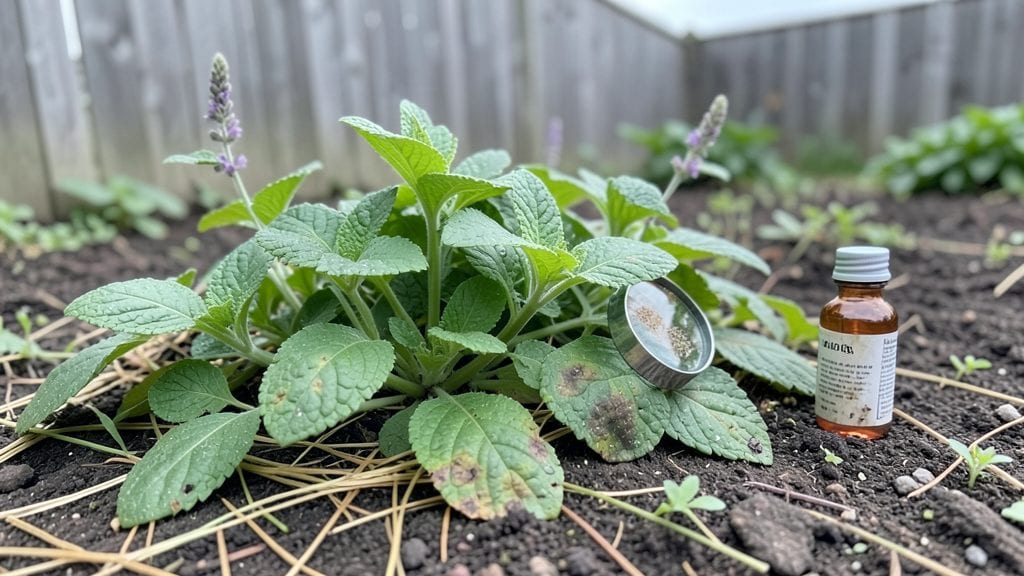
Mint plant diseases can turn your thriving herb garden into a sad, yellowing mess faster than you think. 🌱 I’ve watched my own mint go from lush and fragrant to wilted and spotted in just a few weeks—usually because I ignored the early signs of fungal trouble.
The good news? Most of these problems have simple fixes if you catch them early.
Fungal diseases like powdery mildew, rust, and root rot thrive in damp, shaded conditions—so proper airflow and sunlight are your first line of defense. Overwatering or crowded pots create the perfect breeding ground, and once those dark spots or fuzzy growth appear, it’s time to act.
The key is prevention: prune regularly, space plants properly, and avoid overhead watering.
You’ll learn to recognize the 9 most common fungal foes by their symptoms—from gray mold on leaves to blackened stems—and how to treat them with organic sprays like neem oil or baking soda mixtures.
Most importantly, you’ll save your mint from becoming a disease magnet. Let’s get your plants back to their vigorous, aromatic best.
Whether you’re growing mint in pots, garden beds, or even as a ground cover, these solutions work for any setup. The goal is to keep your mint healthy, productive, and free from the fungal invaders that could otherwise ruin your harvest. Here’s how to stop them in their tracks.
Root Causes Behind Mint Woes
Mint plants, with their vibrant green leaves and refreshing aroma, can quickly fall victim to fungal diseases if conditions aren’t just right. Understanding why these issues arise is the first step to prevention.
Below, we break down the key culprits—from environmental stressors to garden habits—that turn your thriving mint into a sickly sight.
Fungal pathogens like Peronospora minticola (downy mildew) and Phytophthora thrive in damp, stagnant environments. Mint plants love moisture, but excessive humidity or poor drainage creates the perfect breeding ground for spores. Here’s how it happens:
- Poor Airflow: Dense mint foliage traps moisture, especially in containers or crowded garden beds. Stagnant air prevents water evaporation, keeping leaves damp for extended periods.
- Overwatering: Mint roots need consistent moisture, but soggy soil (especially in clay pots or heavy soil) suffocates roots and invites fungal growth. Phytophthora spreads rapidly in waterlogged conditions.
- Frequent Rain or Dew: Mint leaves act like sponges, absorbing water overnight. If dew lingers until morning sunlight, fungal spores germinate and infect the plant.
💡 Pro Tip: Space mint plants 12–18 inches apart to improve airflow. Use pots with drainage holes and water only when the top inch of soil is dry.
Many mint diseases, including powdery mildew (Erysiphe cichoracearum) and rust (Puccinia menthae), spread via spores. These microscopic invaders lurk in:
- Old Soil or Compost: Reusing garden soil or compost from previous infected plants can reintroduce dormant spores. Even sterilized soil may harbor hidden pathogens.
- Infected Plant Debris: Leaving dead leaves or stems in the garden bed provides a food source for fungi, allowing spores to multiply and reinfect healthy plants.
- Contaminated Pruners or Gloves: Cutting tools or hands can transfer spores from sick to healthy mint. Botrytis blight often spreads this way.
🔪 Action Step: Sterilize pruners with rubbing alcohol between cuts, and remove all plant debris at season’s end. Rotate crops if growing mint in the same spot yearly.
Mint plants weakened by poor nutrition or environmental stress are prime targets for disease. Key triggers include:
| Issue | How It Weakens Mint | Fungal Risk |
|---|---|---|
| Nitrogen Deficiency | Yellowing leaves (chlorosis) reduce photosynthesis, making plants less resilient to pathogens. | Increased susceptibility to downy mildew. |
| Over-Fertilization (Especially Phosphorus) | Excess salts burn roots, stunting growth and creating entry points for root rot. | Encourages Phytophthora and Fusarium. |
| Extreme Temperature Shifts | Cold snaps or heatwaves shock the plant, suppressing immune responses. | Opens doors for powdery mildew and rust. |
💪 Fix It: Use a balanced, organic fertilizer (like 10-10-10) in spring. Mulch with straw to regulate soil temp and retain moisture without suffocating roots.
Insects like aphids, spider mites, and mint beetles don’t just sap nutrients—they damage plant tissue, leaving open wounds where fungi can invade. For example:
- Aphids: Their honeydew secretions attract sooty mold (Capnodium), which weakens leaves and blocks sunlight.
- Spider Mites: Their feeding causes stippling (tiny dots) on leaves, reducing vigor and making mint more prone to powdery mildew.
- Root-Knot Nematodes: These microscopic worms burrow into roots, creating entry points for Fusarium wilt.
🐜 Solution: Spray plants with neem oil weekly to deter pests. Introduce beneficial insects like ladybugs or predatory mites to keep populations in check.
By addressing these root causes—humidity, spores, stress, and pests—you’ll create an environment where mint plants stay healthy and fungal diseases struggle to take hold. Next, we’ll dive into how to spot these issues early before they spread.
Fixing Fungal Foes in Mint
Mint plants are hardy, but when fungal diseases strike, they can quickly turn your lush green leaves into a sad, wilted mess. The good news? Most issues are treatable—and even preventable—with the right steps.
Below, we’ll map out practical fixes for each common fungal foe, plus pro tips to keep your mint thriving.
Cause: Overwatering or poor soil drainage creates a soggy, fungus-friendly environment. How to Fix It: 🔥 Step 1: Stop Watering Immediately
- Let the soil dry out completely before watering again. Stick your finger in the soil—if the top 2 inches are damp, wait.
👨🍳 Step 2: Improve Drainage
- Repot the mint in a container with drainage holes (or amend garden soil with perlite/sand).
- If in-ground, raise beds or add compost to loosen heavy soil.
🌡️ Step 3: Treat with Fungicide
- Spray copper-based fungicide (like Cupronol) or neem oil on roots and soil. Repeat every 7–10 days for 2–3 weeks.
- For severe cases, hydrogen peroxide (3%) diluted to 1:9 with water can sterilize the soil.
💡 Prevention Tip:
- Water only at the base (avoid wetting leaves) and never let mint sit in standing water.
- Choose well-draining pots (terracotta is ideal) and avoid overcrowding.
Cause: High humidity, poor airflow, or crowded plants let this white, powdery fungus spread like wildfire. How to Fix It: 🔪 Step 1: Prune & Isolate
- Snip off heavily infected leaves (sterilize shears with rubbing alcohol).
- Move the plant to a sunnier, airier spot (powdery mildew thrives in shade).
🍳 Step 2: Cleanse the Plant
- Mix 1 tsp baking soda + 1 tsp horticultural oil + 1 drop dish soap in 1 quart water. Spray every 5–7 days until gone.
- For stubborn cases, use sulfur-based fungicide (follow label instructions).
⏰ Step 3: Boost Airflow
- Thin out nearby plants or space mint 12+ inches apart.
- Use a fan on low (24/7) near potted mint to dry leaves faster.
🎯 Prevention Tip:
- Water in the morning so leaves dry by evening.
- Rotate plants occasionally to ensure even sunlight exposure.
Cause: Orange pustules on undersides of leaves? That’s rust fungus, often spread by wind or splashing water. How to Fix It: 🔥 Step 1: Destroy Infected Leaves
- Do not compost—burn or trash heavily rusted foliage to stop spores from spreading.
👨🍳 Step 2: Apply Fungicidal Spray
- Use copper fungicide or organic options like garlic spray (blend 1 garlic bulb + 1 quart water, strain, and spray).
- Reapply every 10 days until new growth is rust-free.
🌡️ Step 3: Adjust Growing Conditions
- Rust loves cool, wet weather—move mint to a warmer, sunnier spot if possible.
- Avoid overhead watering (use drip irrigation instead).
💡 Prevention Tip:
- Space plants widely (3+ feet apart) to reduce wind-spread spores.
- Clean tools between uses to avoid cross-contamination.
Cause: Soil-borne fungi that clog mint’s vascular system, causing yellowing and wilting (often fatal). How to Fix It: ⚠️ Step 1: Accept the Reality
- These diseases have no cure—remove and dispose of the plant (do not compost).
🔪 Step 2: Sterilize Everything
- Repot in fresh, sterile soil (or solarize garden soil by covering with clear plastic for 4–6 weeks in summer).
- Disinfect pots/tools with bleach solution (1:10 bleach:water) or rubbing alcohol.
🌱 Step 3: Start Fresh
- Plant new mint in a different location (avoid the same spot for 2+ years).
- Choose resistant varieties like peppermint (more tolerant than spearmint).
🎯 Prevention Tip:
- Rotate crops—never plant mint (or other mints/lamiaceae) in the same spot yearly.
- Test soil for fungal pathogens before replanting.
No matter the disease, these universal fixes will help:
- 💡 Boost Immunity: Feed mint with compost tea or fish emulsion for stronger resistance.
- 🌡️ Heat It Up: Fungi hate high temps—mulch with straw to keep roots warm.
- ✨ Spray Shield: Use preventative sprays like neem oil (every 2 weeks) or potassium bicarbonate (1 tbsp per gallon water).
- 🚫 Quarantine New Plants: Inspect every new mint cutting for signs of disease before adding to your garden.
Remember: Early action is key! The moment you spot white powder, orange spots, or wilting, act fast. With these fixes, your mint will bounce back—and stay fungus-free for seasons to come. 🌿✨
Frequently asked questions
What are the first signs of fungal issues in mint plants?
Watch for white powdery coatings (powdery mildew), orange pustules on leaf undersides (rust), or dark, water-soaked spots (root rot). Yellowing leaves or wilting stems also signal trouble. Check both leaf surfaces and soil moisture—damp conditions accelerate spread.
Can I save mint plants already showing severe fungal symptoms?
For mild cases like powdery mildew, prune infected leaves and apply neem oil. Severe infections (e.g., root rot or vascular wilt) often require removing the plant entirely to prevent spread. Sterilize pots and soil afterward to avoid reinfection. Early action makes all the difference.
How often should I apply fungicide to prevent mint diseases?
Use preventive sprays like neem oil or copper fungicide every 2–3 weeks during humid seasons. For active outbreaks, increase to weekly applications until symptoms disappear. Always spray in the morning so leaves dry quickly. Rotate treatments to avoid resistance.
Is it safe to use homemade remedies like baking soda on mint?
Yes! Mix 1 teaspoon baking soda + 1 teaspoon horticultural oil + 1 drop dish soap per quart of water for powdery mildew. Test on a small leaf first—this gentle solution works well for mild fungal issues. For stubborn cases, combine with sulfur-based fungicides.
Why does mint get diseases more easily than other herbs?
Mint thrives in moist conditions, but its dense foliage traps humidity—perfect for fungal spores. Unlike herbs with waxy leaves (like rosemary), mint’s soft leaves absorb water easily, creating ideal breeding grounds. Proper spacing and airflow reduce this risk significantly.