
Companion Plants
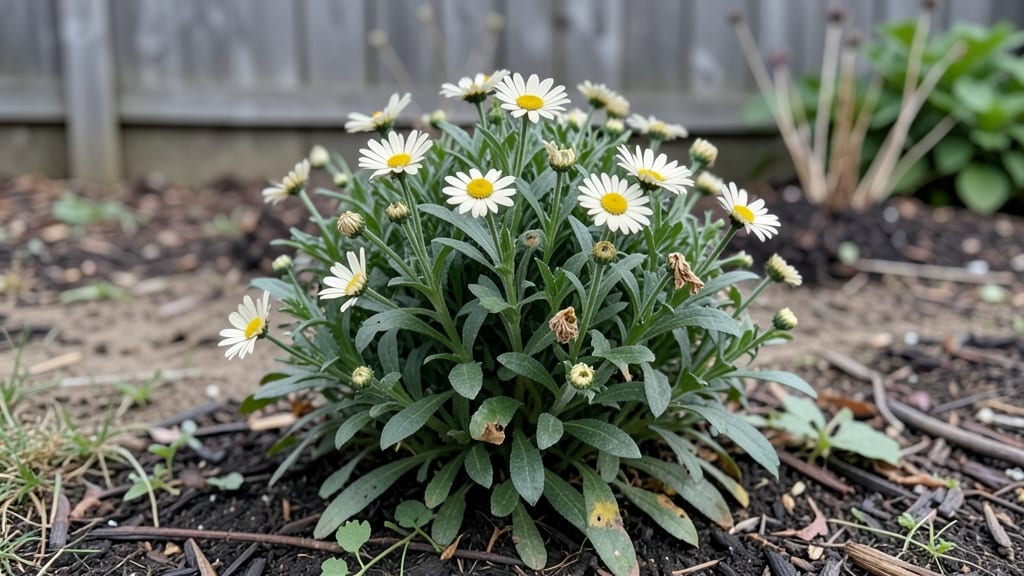
Marguerite daisy plants turn my garden into a buzzing, blooming paradise every season. 🌻 These cheerful faces attract bees, butterflies, and hummingbirds like nothing else, and their bright centers keep flowering from spring through frost.
The secret isn't complicated—just the right balance of sun, soil, and a little pruning know-how to keep them thriving.
You'll need well-draining soil, at least 6 hours of sunlight daily, and consistent moisture without soggy roots. Most gardeners start with transplants (they're tricky from seed), and the right spacing—18-24 inches apart—makes all the difference.
Perennial types come back stronger each year if you protect them from winter's harshest bites, while annuals give you instant color for one glorious season.
By mid-summer, your plants will be covered in 3-inch blooms that never seem to quit. The key is deadheading spent flowers and giving them a light trim after each flush of blooms—it encourages more flowers and keeps the plants compact.
Even my black thumb can't kill these if I remember to water when the soil dries 1-2 inches deep and fertilize lightly every 4-6 weeks.
Works equally well in beds, containers, or as border plants. The only real mistake is overwatering—these daisies hate wet feet. Let's get yours planted and blooming like a pro!
📚 In This Guide
- What you need
- Instructions
- Tips and common mistakes
- Wrapping up and next steps
What you need
- ● Marguerite Daisy Seeds or Plants: Choose disease-resistant varieties like 'White Lady' or 'Pink Beauty'. Buy 10–20 seeds or 3–5 nursery plants for a full display.
- ● Well-Draining Potting Mix: 2–3 bags (10–15 lbs each) of high-quality, organic mix (e.g., Miracle-Gro Garden Soil or FoxFarm Ocean Forest).
- ● Containers or Garden Beds: For containers: 5–10 gallon pots (1 pot per plant) with drainage holes.
- ● For in-ground: A sunny spot with loose, fertile soil (amend with compost if needed).
- ● Fertilizer: Slow-release granular fertilizer (e.g., 10-10-10 NPK) or organic options like fish emulsion.
- ● Mulch: 1–2 bags of shredded bark or straw to retain moisture and suppress weeds.
- ● Garden Gloves (1 pair) – Protect your hands from thorns and soil.
- ● Trowel or Hand Shovel – For planting seeds or transplanting.
- ● Watering Can or Hose with Adjustable Nozzle – Marguerite daisies love consistent moisture!
- ● Pruning Shears – Deadhead spent blooms to encourage more flowers.
- ● Pollinator-Friendly Companions: Pair with lavender, bee balm, or cosmos for a pollinator buffet! 🐝
- ● Stakes or Trellis – If growing tall varieties (e.g., 'Daisy Delight') for vertical interest.
- ● Soil pH Test Kit – Marguerite daisies thrive in slightly alkaline soil (pH 6.0–7.5).
- ● Drip Irrigation System – Automate watering for busy gardeners!
How to grow marguerite daisy plants for a pollinator-friendly garden
Here's the straightforward approach I've used to grow healthy, blooming marguerite daisies that keep pollinators buzzing all season.
🌱 Step 1: Choose the Right Location and Prepare the Soil
Marguerite daisies thrive in full sun—at least 6-8 hours daily. I always pick the sunniest spot in my garden because these plants reward generous light with nonstop blooms. Test your site by checking how much direct sunlight it gets between 10 AM and 4 PM.
Loosen the soil to a depth of 12 inches using a garden fork or tiller. Marguerite daisies prefer well-draining soil, so if your garden has heavy clay, mix in 2-3 inches of compost to improve drainage. The soil should feel slightly crumbly when squeezed—like a damp sponge, not a rock.
🪴 Step 2: Plant Marguerite Daisy Starts at the Correct Depth
Dig holes that are just as deep as the root balls of your marguerite daisy plants. I space mine 12-18 inches apart in rows that are 18-24 inches apart—this gives them room to spread and prevents overcrowding. Gently remove the plants from their containers and tease the roots apart if they're circling.
Place each plant in its hole and backfill with soil, pressing lightly around the base to remove air pockets. Don't bury the crown too deeply—it should sit just below the soil surface. Water deeply right after planting to settle the soil and encourage root growth. You'll know it's right when the soil looks evenly moist but not soggy.
💧 Step 3: Water Consistently and Mulch for Retention
Water your marguerite daisies 1-2 inches per week, either from rainfall or supplemental watering. I check moisture by sticking my finger 1 inch into the soil—if it feels dry, it's time to water. Avoid wetting the foliage, especially in the evening, to prevent fungal diseases like powdery mildew.
Spread a 2-3 inch layer of mulch around each plant, keeping it 2 inches away from the stems. I use shredded bark or straw mulch because it breaks down slowly and retains moisture while suppressing weeds. Replenish the mulch as it decomposes to maintain its protective layer.
✂️ Step 4: Deadhead and Prune for Longer Blooms
Deadhead spent blooms by snipping the flower heads off at the base with clean pruners. I do this every 2-3 days during peak bloom to encourage more flowers. The key is to cut just above a set of healthy leaves—this signals the plant to produce new growth and more blooms.
In early spring, cut back the previous year's growth by one-third to promote fresh, vigorous shoots. Marguerite daisies are tough plants, so don't worry about pruning too much—they bounce back quickly. After each pruning, give the plants a light fertilizer to support their recovery.
☀️ Step 5: Protect and Maintain Through Seasons
Marguerite daisies are hardy perennials in USDA zones 5-9, but they need a little help in colder climates. In fall, cut back the foliage to 3-4 inches and cover the base with 4-6 inches of mulch to protect the roots from freezing. In warmer zones, they may bloom year-round with minimal care.
Fertilize lightly in early spring with a balanced 10-10-10 fertilizer to support new growth. Too much fertilizer can lead to leafy growth at the expense of flowers, so I stick to a light application every 6-8 weeks. Watch for pests like aphids or spider mites—spray with water or use insecticidal soap if you spot them early.
Tips & tricks for perfect marguerite daisy plants
These simple strategies will help you grow thriving marguerite daisies that attract pollinators and bloom beautifully all season long.
Sunlight Secret: Marguerite daisies love their sun, but not all sunlight is equal. The 6-8 hours of direct sun should come between 10 AM and 4 PM when the sun is strongest. If you're unsure about your spot, use a sun calculator app or observe your garden for a week to track sunlight patterns. Morning sun alone won't cut it—these plants need that midday intensity to produce their signature blooms.
Soil Prep Strategy: When loosening soil to 12 inches deep in Step 1, don't just scratch the surface. Use a garden fork to break up compacted layers all the way down. If your soil is heavy clay, mix in that 2-3 inches of compost—this isn't optional! The goal is to create soil that drains well but still holds moisture. Think "sponge-like" texture rather than dense or powdery. You'll notice the difference when planting—roots will spread easily rather than struggling through compacted soil.
Planting Depth Tip: The crown should sit just below soil level, but here's what nobody tells you: if your climate gets very cold, you can actually plant the crown slightly deeper (½ inch below soil surface) for extra winter protection. Just make sure the stems aren't buried—they need to stay above ground. After planting, press soil firmly around the base to eliminate air pockets, then water deeply until moisture appears 1 inch below the surface.
Watering Wisdom: The 1-2 inches per week watering guideline works best when you check soil moisture at 1 inch deep. Here's the trick: water deeply but infrequently. A quick sprinkle won't penetrate deep enough to encourage strong root growth. Instead, water slowly over 10-15 minutes so the water soaks down. In hot weather, you might need the full 2 inches, but always let the top inch dry out between waterings to prevent root rot.
Pro Tips for Marguerite Daisy Plants
- These simple strategies will help you grow thriving marguerite daisies that attract pollinators and bloom beautifully all season long.
- Sunlight Secret: Marguerite daisies love their sun, but not all sunlight is equal.
- Soil Prep Strategy: When loosening soil to 12 inches deep in Step 1, don't just scratch the surface.
Frequently asked questions
Got questions about growing and caring for marguerite daisy plants? Here are some of the most common ones—plus quick, actionable answers to keep your garden buzzing with life!
How do I encourage marguerite daisies to bloom all year?
These hardy plants thrive in full sun (6+ hours daily) and well-draining soil. Deadhead spent blooms regularly to prompt more flowers, and fertilize lightly with a balanced 10-10-10 formula every 4-6 weeks. In colder climates, mulch around the base to protect roots—this helps them bounce back faster in spring! Pro tip: Prune leggy stems in early spring to encourage bushier growth and nonstop blooms.
When is the best time to plant marguerite daisies?
Spring and fall are ideal! Plant after the last frost (when soil temps hit 60°F+) or 6-8 weeks before your first expected frost in fall. Container-grown plants can even be tucked into gardens mid-season—but give them time (4-6 weeks) to establish roots before heavy blooming. Bonus: Start seeds indoors 8-10 weeks before your last frost for an early-season pop of color!
Why aren’t my marguerite daisies attracting pollinators?
Check these fixes:
- Water stress: Wilting or dry soil deters bees/butterflies. Water deeply 1-2x/week (more in heatwaves).
- Pesticides: Skip harsh chemicals—marguerites rely on pollinators! Opt for neem oil or insecticidal soap if pests appear.
- Lack of diversity: Plant companion flowers like cosmos or lavender nearby to create a pollinator buffet.
- Timing: Blooms peak in late summer/fall—plant early for a steady food source.
Can marguerite daisies grow in containers or small spaces?
Choose compact varieties like ‘Little Princess’ or ‘Baby Bush’ for pots (12"+ diameter). Use a well-draining potting mix with perlite, and pair with shallow-rooted companions like thyme or alyssum. Containers dry out faster—water consistently and fertilize every 3-4 weeks. Space hack: Train vines (like nasturtiums) to climb nearby trellises to maximize vertical real estate!
What should I do if my marguerite daisies get brown spots?
Brown spots often signal fungal issues (like powdery mildew) or overwatering. Improve airflow by spacing plants 12-18" apart, and water at the base (avoid wetting leaves). For fungal infections, apply baking soda spray (1 tsp baking soda + 1 quart water + a drop of dish soap) weekly. If spots persist, snip affected leaves and dispose of them off-site to prevent spread.
Wrapping up and next steps
Marguerite daisies are the ultimate pollinator powerhouses—easy to grow, drought-tolerant, and packed with year-round charm! Whether you’re a beginner gardener or a seasoned green thumb, these cheerful blooms bring beauty and biodiversity to your space. 🌼✨
Ready to transform your garden? Start small—plant a few Marguerite daisies this season, then expand as you see their magic unfold. Watch your yard become a buzzing, blooming haven, and share the joy with fellow plant lovers!