
Companion Plants
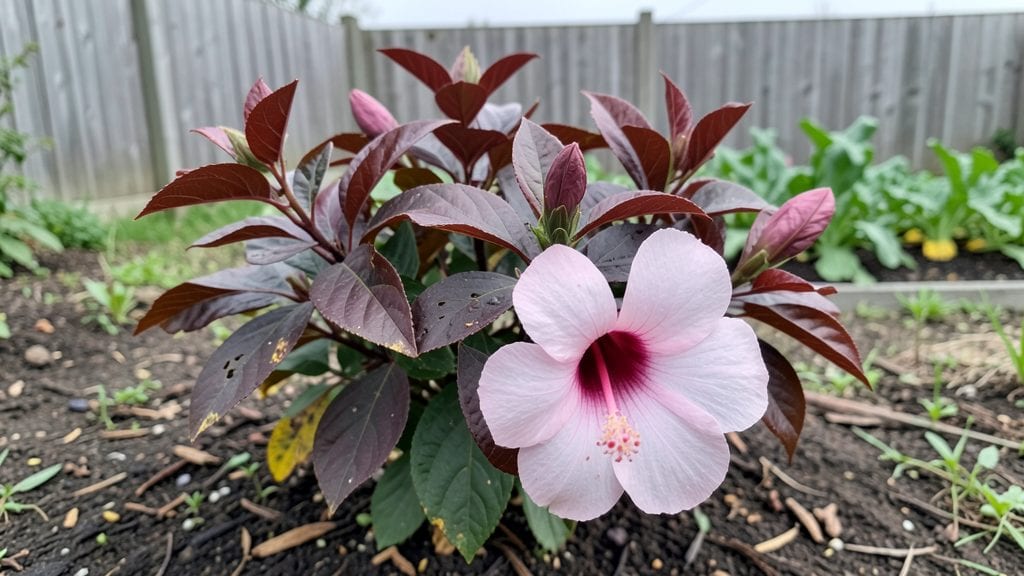
Mahogany hibiscus plants transform any yard into a lush, tropical retreat with their deep green leaves and fiery red blooms that last all season long. 🌿 I’ve grown them for years, and their ability to create natural privacy while adding vibrant color makes them my go-to for any sunny spot.
The key to keeping them thriving—especially in colder climates—is understanding their love for warmth, consistent moisture, and a little extra care during winter.
You’ll need well-draining soil mixed with compost, a spot that gets at least 6 hours of sunlight daily, and regular watering to keep the roots happy without soggy soil.
Pruning in late winter or early spring encourages bushier growth and more blooms, while fertilizing every 4-6 weeks during growing season keeps them lush. These plants are surprisingly low-maintenance once established, but they do reward attention with dramatic, long-lasting flowers.
The real magic happens when they’re in full bloom, their crimson petals standing out against glossy mahogany leaves. You’ll love how they soften fences, line walkways, or even thrive in large containers on patios.
With the right care, they’ll grow 6-10 feet tall, creating a living screen that’s far more beautiful than any fence. The best part? They’re tough enough to handle occasional neglect but shine when given a little TLC.
Whether you’re planting them as a standalone specimen or mixing them with other tropical plants, mahogany hibiscus adds drama and texture to any garden. In cooler zones, bring potted plants indoors or wrap young trees in burlap for winter protection—just don’t let them freeze.
Once you’ve got them settled, they’ll reward you with bold color and privacy for years to come.
📚 In This Guide
- What you need
- Instructions
- Tips and common mistakes
- Wrapping up and next steps
What you need
- ● Mahogany hibiscus plants: 3–5 healthy nursery-grown transplants (spaced 3–5 ft apart for full privacy)
- ● OR seeds (soaked overnight for faster germination)
- ● Well-draining soil: Mix 1 part native soil with 1 part compost (or potting mix for containers). Aim for a pH of 6.0–7.0.
- ● Sunlight access: A full-sun location (6+ hours/day)—south- or west-facing is ideal!
- ● Watering supplies: Garden hose with adjustable nozzle (for deep watering)
- ● OR drip irrigation system (to maintain moisture)
- ● Garden tools: Trowel (for transplanting)
- ● Pruning shears (sterilized with rubbing alcohol)
- ● Gloves (to protect from thorns)
- ○ Support structures (optional but helpful): Bamboo stakes or trellis netting (for young plants)
- ● Sturdy wooden posts (if training as a hedge)
- ● Fertilizer: Balanced 10-10-10 fertilizer (spring/fall) OR organic options like composted manure
- ● Bloom booster (e.g., fish emulsion) during flowering season
- ● Hardiness zones: USDA zones 5–9 (cold-hardy with mulch in zones 5–6!)
- ● Spacing: 3–5 feet apart for a dense screen (or 1–2 ft for a bushier look).
- ● Patience: Plants grow 3–5 feet per year—full privacy in 3–5 years!
How to plant and maintain mahogany hibiscus for a stunning privacy screen
Here's how to grow these striking shrubs into a vibrant, low-maintenance border that thrives year-round.
🌱 Step 1: Choose the Perfect Planting Location
Mahogany hibiscus thrives in full sun—at least 6-8 hours daily. I always pick a south-facing spot where it gets morning light and afternoon warmth. These plants hate cold winds, so position them near a fence or building for winter protection. The roots need room to spread, so space 4 plants 6-8 feet apart for a solid privacy screen.
Dig a hole twice as wide as the root ball but only as deep—planting too deep suffocates the roots. Loosen the soil around the edges to encourage root growth outward. Real talk: If your soil drains poorly, mix in 1 part sand to 3 parts native soil before planting.
💧 Step 2: Plant and Water Deeply
Gently remove the plant from its container and tease the roots outward if they're circling. Place it in the hole so the top of the root ball sits 1 inch below soil level—this prevents stem rot from sitting water. Backfill with native soil, tamping lightly every 2 inches to remove air pockets.
Water immediately after planting with 5 gallons of water per plant. You'll see the soil settle around the roots as you water. Keep the area moist for 2-3 weeks—watering deeply every 2-3 days until new growth appears. Overwatering now causes root rot, so check soil moisture by sticking your finger 2 inches deep.
☀️ Step 3: Feed and Prune for Year-Round Growth
Apply a balanced 10-10-10 fertilizer in early spring and again after flowering. I use 1/4 cup per plant mixed into the top 2 inches of soil. These plants love nutrients but hate soggy roots—always water first, then feed. You'll notice new leaves emerge within 2-3 weeks if the soil stays consistently moist.
Prune in late winter to shape the screen. Cut back 1/3 of the oldest stems to encourage fresh growth from the base. Remove any dead or crossing branches—this improves airflow and prevents disease. Here's the thing: Mahogany hibiscus blooms on new wood, so don't prune after June 1st or you'll sacrifice fall flowers.
✂️ Step 4: Protect and Maintain Through Seasons
In winter, wrap young plants with burlap or frost cloth if temperatures drop below 20°F. Mature plants handle 15°F but may lose leaves—don't panic, they regrow quickly in spring. Mulch with 2-3 inches of shredded bark around the base to insulate roots and retain moisture.
Watch for spider mites on new growth—treat immediately with a neem oil spray if you see webbing. I check leaves weekly during dry spells. Water deeply once a week in summer, aiming for 1-2 inches of water per week. You'll know it's right when the top 2 inches of soil stay slightly damp but not wet.
Tips & tricks for perfect mahogany hibiscus privacy screens
These tried-and-true tips will help your mahogany hibiscus grow into a lush, vibrant privacy screen that blooms beautifully year after year.
Location is Everything: When selecting your south-facing spot, pay attention to afternoon shade patterns. Mahogany hibiscus needs that 6-8 hours of direct sun daily, but if your area gets intense afternoon heat, consider positioning plants where they receive morning sun and afternoon shade. This prevents leaf scorch while still meeting their light requirements. I've seen dramatic differences in plant health when adjusting just a few feet in position.
Root Care Matters: The 2-inch deep hole rule is crucial—planting too deep suffocates roots by preventing oxygen flow. After planting, I always do a quick "finger test" by sticking my index finger 2 inches deep into the soil. If it feels dry, it's time to water. This simple check prevents both underwatering and overwatering during those critical 2-3 weeks after planting.
Fertilizer Timing: The 2-3 week window after fertilizing is when you'll see the most dramatic growth. I've found that applying the 1/4 cup of 10-10-10 fertilizer right after the first flush of spring growth—when new leaves first appear—gives the best results. This timing aligns perfectly with the plant's natural growth cycle, maximizing nutrient absorption.
Winter Protection Strategy: For those 20°F nights, I've learned that wrapping young plants with burlap creates a microclimate that can raise temperatures by 5-10°F around the plant. For mature plants that handle 15°F, I still recommend the 2-3 inches of shredded bark mulch—it's like putting a cozy blanket on your plants' roots, insulating them from temperature swings that can stress the system.
Pro Tips for Mahogany Hibiscus Plants
- These tried-and-true tips will help your mahogany hibiscus grow into a lush, vibrant privacy screen that blooms beautifully year after year.
- Location is Everything: When selecting your south-facing spot, pay attention to afternoon shade patterns.
- Root Care Matters: The 2-inch deep hole rule is crucial—planting too deep suffocates roots by preventing oxygen flow.
Frequently asked questions
Got questions about growing and caring for mahogany hibiscus (Hibiscus coccineus)? You’re not alone—this stunning plant has a few quirks! Here are answers to the most common questions to help you cultivate a thriving, blooming privacy screen.
How fast does mahogany hibiscus grow, and how tall can it get?
Mahogany hibiscus grows at a moderate pace—expect 3–5 feet per year under ideal conditions. With proper care, it can reach 10–15 feet tall and 6–10 feet wide, making it perfect for tall hedges or privacy screens. Prune annually in late winter to control size and encourage bushier growth. Pro tip: Plant in groups for faster coverage!
When is the best time to plant mahogany hibiscus?
The ideal planting window is spring or early fall when temperatures are mild (between 50°F–70°F). Avoid planting in hot summer or freezing winter—both can stress young roots. If you must plant in summer, provide extra shade and water for the first few weeks to help it establish.
How much water does mahogany hibiscus need, and how do I know if it’s overwatered?
This tropical beauty loves consistent moisture but hates soggy soil. Water 1–2 inches per week, more in extreme heat. Signs of overwatering:
- Yellowing leaves (especially lower leaves)
- Wilting despite wet soil (root rot)
- Foul-smelling soil (fungus growth)
Why isn’t my mahogany hibiscus blooming, even though it’s healthy?
Blooms thrive with sunlight, balanced nutrients, and proper pruning. Common reasons for no flowers:
- Too much shade (needs 6+ hours of sun)
- Over-fertilizing with nitrogen (promotes leafy growth, not blooms)
- Lack of pruning (trim back 1/3 of growth in late winter)
- Temperature stress (blooms drop in below 50°F)
What are some good companion plants for mahogany hibiscus?
Pair mahogany hibiscus with sun-loving, moisture-tolerant plants for a lush, cohesive look:
- Oakleaf hydrangea (adds texture and fall color)
- Butterfly bush (attracts pollinators)
- Canna lilies (tropical vibes + height contrast)
- Black-eyed Susan (bright pops of yellow)
Wrapping up and next steps
Growing mahogany hibiscus plants is a rewarding way to add year-round privacy and stunning crimson blooms to your landscape. These hardy shrubs thrive with minimal fuss, offering both beauty and practicality—whether you’re a seasoned gardener or just starting out.
With the right care, you’ll enjoy lush foliage, fragrant flowers, and a natural screen that’s as functional as it is eye-catching.
Ready to transform your outdoor space? Start by selecting the perfect spot, gathering your supplies, and planting your mahogany hibiscus with confidence. Watch as your garden flourishes into a vibrant, private oasis! 🌿✨