
Companion Plants
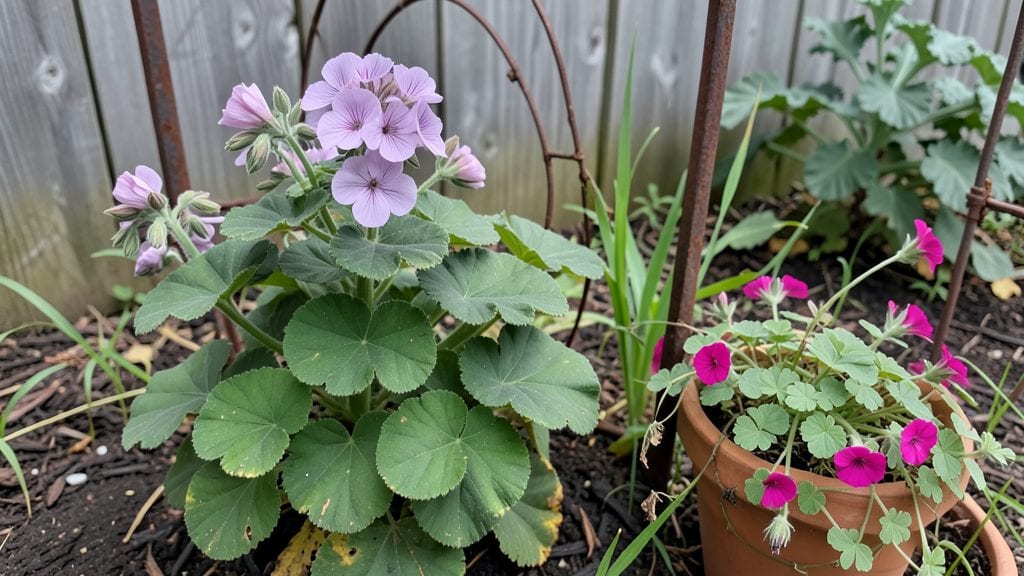
The geranium family plants transform any garden into a pollinator paradise with their fragrant blooms and year-round charm. 🌿 I’ll never forget the first time I planted Geranium macrorrhizum—its velvety leaves and delicate pink flowers spread across my shady bed like a living carpet.
These plants aren’t just pretty; they’re tough, adaptable, and packed with surprises, from edible leaves to medicinal uses.
Most people think geraniums are just those bright red bedding plants, but the family includes hardy perennials for cold climates and tender pelargoniums that thrive in containers. You’ll find varieties that love full sun, others that flourish in shade, and even some that tolerate poor soil.
The key? Matching the right type to your space—whether it’s a sunny border, a woodland garden, or a hanging basket.
By the end of this guide, you’ll know how to grow them from seed or cuttings, spot the best varieties for your zone, and even harvest leaves for tea.
Imagine bees buzzing over your plants all summer, followed by frost-kissed foliage that stays pretty through winter. It’s the kind of beauty that keeps giving, year after year.
We’ll cover everything from soil prep to propagation tricks, plus which varieties repel pests naturally. Perfect for beginners and seasoned gardeners alike—these plants are impossible to mess up once you know their secrets. Let’s get your garden buzzing with life!
📚 In This Guide
- What you need
- Instructions
- Tips and common mistakes
- Wrapping up and next steps
What you need
- ● Geranium family plants: Choose from Pelargonium (zonal, ivy, or scented geraniums) or native Geranium species (like Geranium maculatum or Geranium sanguineum). Opt for 3–5 plants per 10 sq ft for full coverage.
- ● High-quality potting mix: 1–2 gallons per plant (use a well-draining blend with 30–40% perlite or compost for aeration).
- ○ Containers (optional): 6–8-inch pots with drainage holes for potted geraniums (use 1 pot per plant).
- ● Native soil amendments: Compost or aged manure (mix 1 part into 3 parts soil to enrich nutrients).
- ● Mulch: 2–3 inches of organic mulch (e.g., shredded bark or straw) to retain moisture and suppress weeds.
- ● Garden trowel or transplant spade (for digging holes 2x wider than the root ball).
- ● Pruning shears (sterilized with 70% isopropyl alcohol to prevent disease).
- ● Watering can or hose with a gentle spray nozzle (avoid soaking leaves to prevent fungal issues).
- ○ Gloves (optional but recommended for handling prickly Geranium species).
- ○ pH testing kit (optional: geraniums thrive in 6.0–7.0 pH; adjust with lime or sulfur if needed).
- ● Sunlight assessment: Most geraniums need 6+ hours of direct sun daily (except shade-tolerant Geranium phaeum).
- ● Pollinator-friendly location: Plant near bee balm, lavender, or coneflowers to maximize pollinator visits!
- ● Drainage check: Ensure no standing water (geraniums hate soggy roots).
- ● Season timing: Spring (March–May): Best for transplanting hardy Geranium species.
- ● Late spring (after frost): Ideal for Pelargonium (tender perennials in cold climates).
- ● Slow-release fertilizer (e.g., 10-10-10 NPK, apply once in spring).
- ● Copper fungicide (prevents leaf spot in humid climates).
- ● Stakes or cages (for tall Geranium maculatum varieties to support stems).
- ● Fragrance boost: Plant Pelargonium graveolens (rose-scented geranium) near seating areas!
Step-by-step guide to cultivating thriving Geranium family plants
Here's how to coax vibrant, fragrant blooms from these pollinator favorites—no matter your climate.
🌱 Step 1: Select and Prepare Planting Sites
Geraniums—including pelargoniums, cranesbills, and hardy geraniums—thrive in well-draining soil with full sun to partial shade. For pelargoniums, choose a spot with at least 6 hours of direct sunlight daily, while cranesbills tolerate morning sun and afternoon shade in hotter regions. Amend heavy clay soil with 2-3 inches of compost to improve drainage, as these plants despise soggy roots.
Test your soil’s moisture level by pressing a finger 1 inch deep—if it feels compacted, add 1 part perlite to 3 parts native soil before planting. I always dig a hole twice as wide as the root ball to encourage outward root spread, which geraniums love. This prevents future transplant shock and promotes bushier growth.
💧 Step 2: Plant and Water for Immediate Establishment
Place the plant so the top of the root ball sits level with the soil surface—burying the crown too deep invites rot, while planting too high stresses the roots. Gently firm the surrounding soil to eliminate air pockets, then water deeply until moisture reaches 6 inches down. You’ll know it’s enough when water drains freely from the bottom of the hole.
After planting, mulch with 2 inches of shredded bark or straw to retain moisture and suppress weeds. Avoid organic mulches like wood chips near pelargoniums—they can attract slugs. Water every 2-3 days until new growth appears, keeping the soil consistently moist but never waterlogged. Overwatering is the fastest way to kill these drought-tolerant beauties.
☀️ Step 3: Maintain Light and Fertility for Continuous Blooms
Geraniums reward consistent care with prolonged flowering. Feed established plants with a balanced 10-10-10 fertilizer every 4-6 weeks during the growing season, but cut back in winter. For pelargoniums, I switch to a high-phosphorus 5-10-5 formula when buds form to encourage more blooms. Always water at the base—never overhead—to prevent fungal diseases like powdery mildew.
Watch for yellowing leaves, which signal overwatering or nutrient deficiencies. If you see this, reduce watering and apply a chelated iron supplement to the soil. Deadhead spent blooms regularly—this isn’t just for looks. Pinching back leggy stems by one-third in spring and fall encourages compact, bushier growth and prevents flopping.
✂️ Step 4: Prune and Overwinter for Year-Round Success
In late summer, cut back pelargoniums by half to stimulate a second flush of blooms before frost. For hardy geraniums, shear back one-third of the foliage in early spring to shape the plant and remove winter-damaged growth. Always use clean, sharp pruners to avoid tearing stems—dull blades create jagged cuts that invite disease.
Before the first frost, dig up tender pelargoniums and pot them in 6-inch containers with fresh potting mix. Place them in a cool, bright spot (50-60°F) and reduce watering to once every 10-14 days. Hardy geraniums, however, handle winter beautifully—just mulch heavily with 4-6 inches of straw to protect roots from freezing temperatures.
Tips & tricks for perfect Geranium family plant cultivation
These insider strategies will help you transform your garden into a thriving pollinator paradise with minimal effort.
Soil Preparation Secret: The 2-3 inches of compost recommendation isn't just about drainage—it's about creating the perfect microbial ecosystem. I take it a step further by mixing in 1 part worm castings to the compost for extra nutrient density. This gives your geraniums a head start, especially in poor native soil. After amending, I always do a soil test to confirm pH is between 6.0-7.0—geraniums thrive in this slightly acidic to neutral range.
Watering Wisdom: That initial deep watering until moisture reaches 6 inches is crucial, but here's what nobody tells you: the 2-3 day watering schedule should be adjusted based on rainfall. I check soil moisture by pressing my finger 2 inches deep—if it's dry at that depth, water; if damp, wait. Overwatering is the silent killer of geraniums, so I always water in the early morning to allow foliage to dry before evening humidity sets in.
Fertilizer Timing: The 4-6 week feeding schedule works, but I've found pelargoniums respond best to a slightly different rhythm. When buds form, I switch to the 5-10-5 formula every 3 weeks instead of monthly—this phosphorus boost creates more abundant blooms. For regular maintenance, I use a slow-release granular fertilizer in early spring to avoid nitrogen burn, which can scorch delicate geranium leaves.
Pruning Precision: When cutting back pelargoniums by half in late summer, I always make cuts just above a leaf node at a 45-degree angle. This encourages new growth from that precise point. For hardy geraniums, I take it one step further by removing any stems with yellow or brown leaves—these are disease entry points. I also sterilize my pruners with rubbing alcohol between cuts to prevent spreading pathogens.
Pro Tips for Geranium Family Plants
- These insider strategies will help you transform your garden into a thriving pollinator paradise with minimal effort.
- Soil Preparation Secret: The 2-3 inches of compost recommendation isn't just about drainage—it's about creating the perfect microbial ecosystem.
- Watering Wisdom: That initial deep watering until moisture reaches 6 inches is crucial, but here's what nobody tells you: the 2-3 day watering schedule should be adjusted based on rainfall.
Frequently asked questions
Got questions about growing and caring for geranium family plants? You're not alone! Here are some of the most common queries—plus straightforward answers to help you keep your pollinator-friendly garden thriving.
What’s the easiest way to propagate geranium family plants?
Most geraniums (like Pelargonium and Geranium) are simple to propagate from stem cuttings. Snip a 3-4 inch section just below a leaf node, remove the lower leaves, and dip the cut end in rooting hormone. Place in moist potting mix, cover with a plastic bag, and keep in bright, indirect light until roots form (about 4-6 weeks).
When is the best time to plant geraniums for year-round blooms?
For perennial geraniums (like Geranium macrorrhizum), plant in early spring after the last frost. Tender geraniums (e.g., Pelargonium) thrive when planted after soil warms (around 60°F) and can be brought indoors before the first frost. Mulch helps extend their season in cooler climates.
Why aren’t my geraniums attracting pollinators like bees or butterflies?
Geraniums are natural pollinator magnets, but a few tweaks can boost their appeal: Ensure they’re in full sun (6+ hours/day), deadhead spent blooms to encourage new flowers, and avoid heavy pesticides. Plant near other nectar-rich flowers (like lavender or coneflowers) to create a pollinator buffet!
How do I overwinter geraniums in cold climates?
For tender geraniums, dig up tubers or potted plants before the first frost, trim foliage, and store in a cool (40-50°F), dry place (like a garage). Water sparingly. Perennial geraniums (like Geranium sanguineum) are hardy to Zone 4—just mulch heavily with straw or leaves for protection.
Are there geranium alternatives that thrive in shady spots?
While most geraniums love sun, try Heuchera (coral bells) or Astilbe for shade-tolerant companions. These plants offer similar textures and pollinator-friendly blooms. For fragrance, Lamium (dead nettle) is a great substitute—just plant near a sunny geranium patch for contrast.
Wrapping up and next steps
From vibrant geraniums to hardy pelargoniums, the geranium family offers a treasure trove of fragrant, pollinator-friendly plants that bring year-round color and charm to any garden.
Whether you’re drawn to their medicinal benefits, low-maintenance care, or versatile companion planting, these plants are a must-have for both beginners and seasoned gardeners alike. 🌸
Ready to transform your outdoor space? Start small—pick one or two varieties to test in your garden or containers, and let their beauty and benefits inspire your next planting adventure! Happy gardening! 🌱