
Shrubs
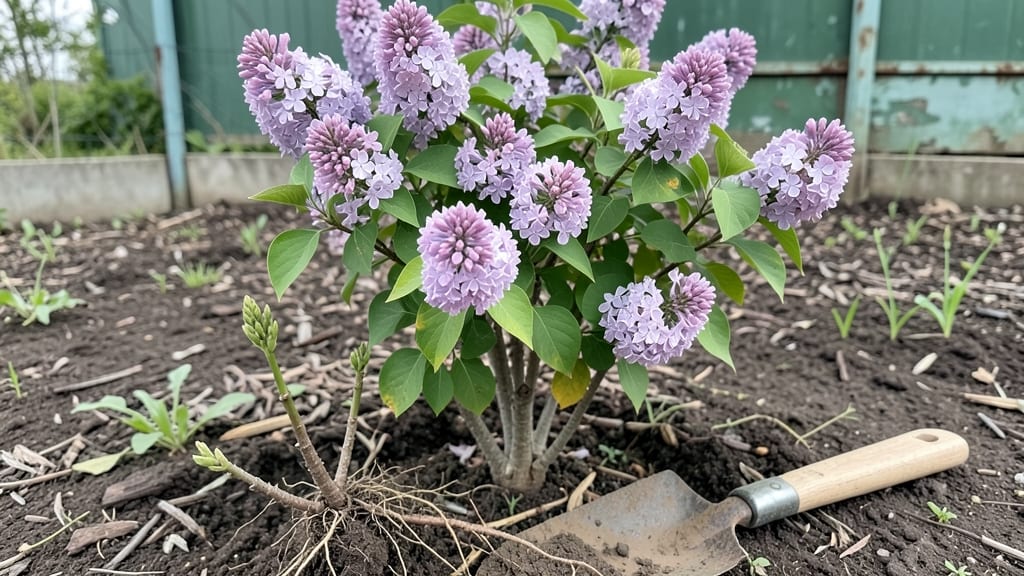
Follow these lilac planting instructions to turn bare spots into fragrant purple clouds next spring—it’s easier than you think once you nail the basics. ✨ The secret isn’t complicated: it’s about soil, sunlight, and timing.
Start with healthy nursery plants and well-draining soil mixed with compost. Lilacs hate soggy roots, so amending clay soil with sand or gravel makes all the difference.
Pick a sunny spot with at least six hours of light daily—they’ll reward you with blooms for decades if you get this part right.
Dig a hole twice as wide as the root ball but no deeper, then water thoroughly before setting the plant in. Space them 6 to 10 feet apart for mature size, and mulch around the base to keep moisture steady.
Within two years, you’ll have fragrant clusters that neighbors will envy.
Fair warning: planting in late fall or early spring gives roots time to establish before summer heat. Avoid transplant shock by keeping newly planted lilacs consistently moist for the first season—no drought stress, no wilting. Now let’s get those shrubs in the ground!
📚 In This Guide
- What you need
- Instructions
- Tips and common mistakes
- Wrapping up and next steps
What you need
- ● Lilac shrubs: 2–5 bare-root or potted plants (depending on desired coverage; space 4–6 feet apart for mature size). Choose Syringa vulgaris (common lilac) or varieties like ‘Katherine Havemeyer’ or ‘Dwarf Korean’ for compact growth.
- ● Shovel or trowel: A heavy-duty shovel (for digging holes) and a hand trowel (for delicate root adjustments).
- ● Compost or well-aged manure: 5–10 gallons (mix 1 part compost to 2 parts native soil for each hole).
- ● Mulch: 2–3 inches of wood chips, straw, or pine bark (avoid fresh mulch—it can smother roots!).
- ● Watering can or hose with nozzle: A gentle spray setting to avoid disturbing soil.
- ○ Garden gloves: Optional but highly recommended—lilac thorns are no joke! 😅
- ● Soil test kit: Check pH (ideal: 6.0–7.0); amend with lime if soil is too acidic.
- ● Slow-release fertilizer: 10–20–10 NPK ratio (sprinkle lightly around roots post-planting).
- ● Pruning shears: For shaping after planting (sterilize blades with rubbing alcohol!).
- ● Epsom salt: 1 tablespoon dissolved in water (occasional foliar spray for magnesium boost).
- ● Plant support stakes: Only needed if planting in windy areas or for tall varieties.
Step-by-Step lilac shrub planting instructions
Here's the simple method I use to plant lilacs that thrive for decades with minimal fuss.
🌱 Step 1: Choose the Perfect Planting Spot
Lilacs love full sun—at least 6 hours daily—and well-draining soil. I always pick a site with morning sun and afternoon shade to prevent leaf scorch, especially in hot climates. Avoid low spots where water pools after rain.
Dig a hole twice as wide as the root ball but only as deep—planting too deep suffocates roots. Loosen the sides of the hole with a shovel to help roots spread easily. If your soil is heavy clay, mix in 2-3 inches of compost into the bottom of the hole to improve drainage.
🪴 Step 2: Prepare the Root Ball and Plant
Remove the lilac from its container and gently tease apart the roots if they're circling tightly. Soak the root ball in a bucket of water for 15-20 minutes before planting to hydrate dry roots. This helps them establish faster in the ground.
Place the shrub in the hole so the top of the root ball sits 1 inch above ground level. Fill the hole with soil, pressing gently to remove air pockets. Water deeply right away to settle the soil and eliminate gaps around the roots. You'll see water pooling at the surface—that's normal and ensures roots make contact with moisture.
☀️ Step 3: Mulch and Water for Establishment
Spread 2-3 inches of mulch (like wood chips or shredded bark) around the base, keeping it 3 inches away from the trunk to prevent rot. Mulch locks in moisture and regulates soil temperature. I always use organic mulch because it breaks down slowly and adds nutrients over time.
Water deeply once a week during the first growing season, aiming for 1-2 inches of water per week. Let the top 2 inches of soil dry out between waterings—lilacs hate soggy roots. After the first year, they become quite drought-tolerant once established.
✂️ Step 4: Prune for Shape and Health
Wait until right after flowering to prune lilacs—never prune in late summer or fall, as this encourages new growth that won't harden off before winter. Remove any dead, diseased, or crossing branches first. Then, cut back old wood to 1/3 of its length to encourage new growth and more flowers next season.
Shape the shrub lightly by trimming back any overly long branches. Lilacs bloom on last year's wood, so avoid heavy pruning—just a light cleanup keeps them looking tidy. You'll notice new buds forming at the base of last year's growth, which will become next year's blooms.
Tips & tricks for perfect lilac planting
Planting lilacs right means they'll reward you with decades of fragrant blooms. Here are the key tricks I've learned to help your lilacs thrive from day one.
Soil Prep is Everything: Before planting, test your soil's drainage by digging a small hole and filling it with water. If it doesn't drain within 2-3 hours, you'll need to amend the soil with more compost or sand. I've seen lilacs fail in heavy clay because roots can't breathe—this simple test prevents that heartbreak. The 2-3 inches of compost we add in Step 1 makes all the difference for heavy soils.
Root Ball Hydration Matters: That 15-20 minute soak in Step 2 isn't optional—it's crucial for roots that might have dried out in transit. I've planted lilacs without this step and noticed they took twice as long to establish. After soaking, gently squeeze the root ball—it should feel damp but not soggy. This prepares roots to drink up moisture from your garden soil immediately.
Mulching Technique: When you spread that 2-3 inches of mulch in Step 3, keep it 3 inches away from the trunk to prevent rot. I learned this the hard way when my first lilac developed stem rot from mulch touching the bark. Also, avoid piling mulch against the base—it creates a moist environment that invites disease. Think of mulch as a blanket that covers the soil but leaves the plant's waistline exposed.
Pruning Timing: The "right after flowering" rule in Step 4 is non-negotiable for lilacs. I waited until fall once and my plant produced almost no blooms the next spring. Prune when you see those spent flowers dropping—this gives the plant time to set next year's buds before winter. You'll know you've timed it right when you see fresh green growth starting at the base of last year's branches.
Pro Tips for Lilac Planting Instructions
- Planting lilacs right means they'll reward you with decades of fragrant blooms.
- Soil Prep is Everything: Before planting, test your soil's drainage by digging a small hole and filling it with water.
- Root Ball Hydration Matters: That 15-20 minute soak in Step 2 isn't optional—it's crucial for roots that might have dried out in transit.
Frequently asked questions
Got questions about growing lilacs? You’re not alone! Here are answers to the most common queries to help you plant and care for your fragrant shrubs with confidence.
When is the best time to plant lilacs?
Plant lilacs in early spring or early fall when soil temperatures are cool (50–60°F). Avoid extreme heat or frost—roots need time to establish before winter or summer stress sets in. Container-grown lilacs can even be planted in mild winters!
How often should I water newly planted lilacs?
Water deeply 2–3 times per week for the first year to encourage root growth. After that, lilacs are drought-tolerant but appreciate 1 inch of water weekly during dry spells. Mulch around the base (but not touching the trunk) to retain moisture.
Can I plant lilacs in containers, or do they need ground planting?
Lilacs thrive in the ground, but dwarf varieties (like ‘Little League’ or ‘Miss Kim’) can grow well in large containers (at least 15–20 gallons). Use well-draining soil, and repot every 2–3 years. Containers dry out faster, so monitor moisture closely!
Why aren’t my lilacs blooming?
Lilacs need full sun (6+ hours/day) and at least 2 years of growth before blooming. Poor blooms may also signal over-fertilizing (too much nitrogen = leafy growth, not flowers) or pruning at the wrong time (never after mid-summer). Try a balanced 10-10-10 fertilizer in early spring.
Are lilacs prone to pests or diseases?
Lilacs are generally low-maintenance, but watch for borers, aphids, or powdery mildew. Prune for airflow, and remove infected leaves promptly. Neem oil or insecticidal soap can treat pests. For mildew, avoid overhead watering and choose resistant varieties like ‘Katherine Havemeyer.’
Wrapping up and next steps
Planting lilacs is a rewarding way to bring fragrant beauty to your garden with minimal effort! 🌸 By choosing the right variety, preparing the soil, and giving them proper spacing and sunlight, you’ll enjoy stunning blooms for years.
Once established, these hardy shrubs thrive with little care—just a little pruning and occasional watering to keep them happy.
Now that you’re ready to plant, grab your gloves and get started! 🌱 For extra inspiration, browse lilac care tips or explore complementary plants to create a show-stopping spring display. Happy gardening!