
Planting
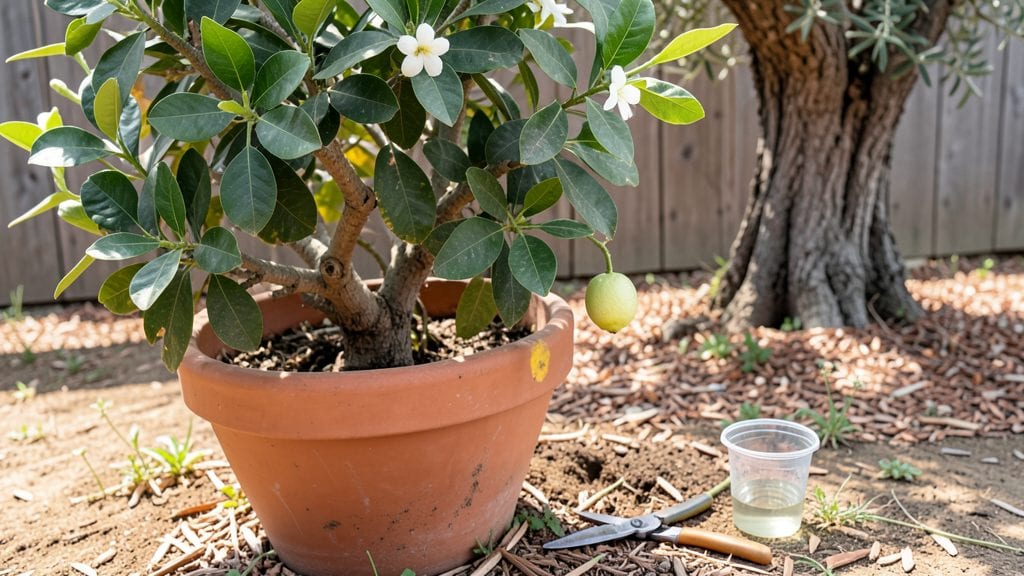
A lemon plant cutting is all you need to grow your own fragrant, glossy-leaved tree with tiny lemons in just three weeks—if you know the right tricks. 🌱 I’ve propagated dozens of citrus cuttings, and the secret isn’t fancy equipment. but choosing the perfect stem and keeping it happy during rooting.
Most people give up after a week of wilting, but with the right care, those cuttings turn into sturdy plants.
The process starts with a 4- to 6-inch healthy stem—look for new growth with at least two leaves—and skips the guesswork with either water or soil rooting.
My first attempt in water failed (overwatering!), but once I switched to moist soil with a plastic bag for humidity, the roots took off in 10 days. The key is patience: roots form before you see new leaves, so don’t pull them out too soon.
By week three, you’ll spot fresh growth, proof the cutting has taken. Place it in bright, indirect light and keep the soil lightly damp—no soggy roots!—and you’ll have a mini lemon tree ready for repotting.
The best part? These homegrown plants often outperform nursery ones because they’re already adapted to your home’s conditions.
Works for Meyer lemons, Eureka, or even lime cuttings—just adjust humidity if your air is dry. Avoid overwatering (the #1 killer) and keep it warm. Ready to turn that kitchen scrap into a citrus treasure? Let’s get those cuttings growing!
📚 In This Guide
- What you need
- Instructions
- Tips and common mistakes
- Wrapping up and next steps
What you need
- ● Healthy lemon plant cuttings: 3–5 semi-hardwood stems (4–6 inches long, pencil-thick, with 3–4 leaf nodes). Pro tip: 💡 Use non-flowering stems for best success!
- ○ Rooting hormone: 1 small bottle (optional but recommended for faster rooting).
- ● Well-draining potting mix: 1 bag (5–10 gallons) of cactus/succulent mix or perlite + peat moss blend.
- ● Small pots or containers: 3–5 (4–6 inches wide) with drainage holes.
- ● Spray bottle: 1 (for misting).
- ● Clear plastic bag or humidity dome: 1 (to retain moisture).
- ● Pruning shears or sharp knife: 1 (sterilized with rubbing alcohol).
- ● Watering can or spray bottle: 1 (for gentle hydration).
- ● Fertilizer (balanced, 10-10-10, diluted to half-strength).
- ● Heating mat (70–75°F) to speed up rooting.
- ● Grow lights (if natural light is limited).
- ● Hydrogen peroxide (3%) to sterilize cuttings.
Step-by-Step instructions for propagating lemon plants from cuttings
Here's how to grow a new citrus tree from just a few inches of stem—no fancy tools or green thumb required.
🌱 Step 1: Select and Prepare the Cutting
Choose a healthy, pencil-thick stem from your lemon tree that's about 4-6 inches long and has at least 3-4 leaf nodes (those small bumps where leaves grow). The best cuttings come from new growth—look for stems that are still slightly flexible but not woody. Use clean, sharp pruning shears to make a 45-degree angle cut just below a leaf node. This angle increases surface area for root growth.
Remove all leaves from the bottom 2 inches of the stem—this prevents moisture loss and directs energy toward root development. If the cutting has flowers or fruit, snip those off too; they'll drain energy the roots need. Dip the cut end in rooting hormone powder (optional but helpful) to encourage faster root growth. I like to tap the cutting gently against the side of the container to remove excess powder before planting.
💧 Step 2: Plant in Moistened Growing Medium
Fill a small 4-inch pot with the perlite and vermiculite mix (equal parts) until it's about 1 inch below the rim. Moisten the mix lightly with room-temperature water until it feels damp but not soggy—think of a wrung-out sponge. Stick your finger in about 1 inch deep; if water drips out, it's too wet. You want it to hold moisture without being waterlogged.
Make a hole in the center with your finger, then insert the cutting so that 2-3 leaf nodes are buried below the surface. Gently firm the mix around the stem to eliminate air pockets. Place the pot in a clear plastic bag or cover it with a plastic dome to create a humid microclimate. This mimics the tropical conditions lemon trees love and helps roots establish faster.
☀️ Step 3: Provide Warmth and Indirect Light
Set the pot in a bright, indirect light spot—think east-facing window or under grow lights—where temperatures stay between 70-80°F. Avoid direct sun at first; it can scorch tender new growth. If using a heat mat, keep it set to 75°F to speed up rooting. You'll know it's working when tiny white root hairs start forming at the cut end in about 2-3 weeks.
Check the moisture every 3-4 days—mist the leaves lightly if they look dry, but avoid soaking the soil. Overwatering is the #1 killer of cuttings; yellowing leaves or mushy stems mean you're drowning the roots. If condensation forms inside the plastic, prop the bag open slightly for 10 minutes daily to improve airflow. Roots should appear in 3-4 weeks if all conditions are right.
✂️ Step 4: Transplant and Care for New Growth
Once you see 1-2 inches of new roots growing through the drainage holes or when gently tugging the cutting feels slight resistance, it's time to transplant. Fill a 6-inch pot with well-draining potting mix and dig a hole deep enough to bury the cutting halfway up its stem. Water thoroughly after planting to settle the soil around the roots.
Move the new plant to a sunny window or under bright grow lights for 6+ hours daily. Lemon trees love light but can scorch easily, so gradually introduce full sun over 1-2 weeks. Fertilize lightly with balanced citrus fertilizer (half-strength) every 4-6 weeks once new leaves appear. You'll know it's thriving when it produces bright green, glossy leaves and maybe even a tiny flower in 6-12 months.
Tips & tricks for perfect lemon plant cuttings
Here's what I learned after propagating dozens of lemon plants—these little tricks make all the difference between success and sad, wilted stems.
Cutting Selection: In Step 1, look for stems that are slightly flexible but not rubbery—this indicates healthy, young growth perfect for rooting. I always test flexibility by gently bending the stem; if it snaps cleanly, it's too woody. Also, avoid cuttings with any signs of disease or spots, no matter how tempting they look. The health of your starting material determines your success rate.
Moisture Balance: When you're planting your cutting in Step 2, the perlite-vermiculite mix should feel like a wrung-out sponge—not dripping wet, not bone dry. I find it helpful to squeeze a handful: if water beads up on my fingers, it's too wet. Too much moisture in Step 3 causes root rot, while too little means your cutting can't establish roots. That 3-4 day watering schedule is crucial—stick to it religiously.
Temperature Control: Maintaining those 70-80°F temperatures in Step 3 is easier than you think. If your home runs cooler, place the cutting on top of your fridge (not inside) for gentle warmth. I've even used a simple heat mat set to 75°F under the pot—just monitor closely to avoid overheating. The difference between 70°F and 80°F can mean the difference between roots forming in 3 weeks versus never.
Transplant Timing: Don't rush transplanting in Step 4! Wait until you see those 1-2 inches of roots or feel slight resistance when tugging. I've made the mistake of transplanting too early, and the delicate roots get damaged. Once transplanted, the gradual sun introduction over 1-2 weeks prevents shock—your new plant will thank you with glossy leaves instead of crispy ones.
Pro Tips for Lemon Plant Cutting
- Here's what I learned after propagating dozens of lemon plants—these little tricks make all the difference between success and sad, wilted stems.
- Cutting Selection: In Step 1, look for stems that are slightly flexible but not rubbery—this indicates healthy, young growth perfect for rooting.
- Moisture Balance: When you're planting your cutting in Step 2, the perlite-vermiculite mix should feel like a wrung-out sponge—not dripping wet, not bone dry.
Frequently asked questions
Got questions about propagating your lemon plant from cuttings? You’re not alone! Here are some of the most common concerns—and their simple solutions—to help you grow like a pro.
When is the best time to take lemon plant cuttings?
The ideal time is during the spring or early summer when the plant is actively growing. Avoid winter, as the plant’s energy is focused on survival, not rooting. If you’re in a warm climate, you can also try fall—but spring is the safest bet for success!
How do I know if my cutting is healthy enough to root?
Look for green, flexible stems (not woody) with at least 3-4 nodes (those little bumps where leaves grow). Avoid cuttings with yellow leaves, pests, or signs of disease. Healthy cuttings have a better chance of rooting in 3-4 weeks!
Should I use rooting hormone on lemon plant cuttings?
While not required, rooting hormone (like powder or gel) can boost success rates by 20-30%. If you’re a beginner, try it! Dip the cut end in hormone, then plant it in moist soil or perlite. Skip it if you’re using water propagation—just keep the cutting hydrated.
Why aren’t my lemon cuttings rooting? Troubleshooting tips!
If your cuttings refuse to root, check these common issues:
- Low humidity: Cover with a plastic bag or use a humidity dome.
- Over/under-watering: Keep soil moist but not soggy.
- Poor lighting: Place in bright, indirect light (no harsh sun).
- Wrong stem type: Use semi-hardwood cuttings (not too soft, not too woody).
Can I propagate a lemon plant from a store-bought lemon?
Technically yes, but it’s tricky! Store-bought lemons are often grafted onto rootstock, so the cutting may not grow true to the fruit type. For better results, use cuttings from a potted lemon tree (like Meyer lemons) or ask a local nursery for non-grafted varieties.
Wrapping up and next steps
Growing a lemon plant from cuttings is a rewarding journey that brings the joy of nurturing life right in your home! 🌱 With the right tools, patience, and care—like choosing healthy stems, proper rooting techniques, and consistent moisture—you’ll soon have a thriving citrus tree in just three weeks.
Whether you’re a beginner or a seasoned gardener, this method is a fun way to expand your green thumb and enjoy fresh lemons in no time.
Ready to take the next step? Start your cutting today and watch your little lemon sapling grow into a lush, fruit-bearing plant! Share your progress with fellow plant lovers or even gift your new tree to a friend—happy propagating! 🌿