
Trees
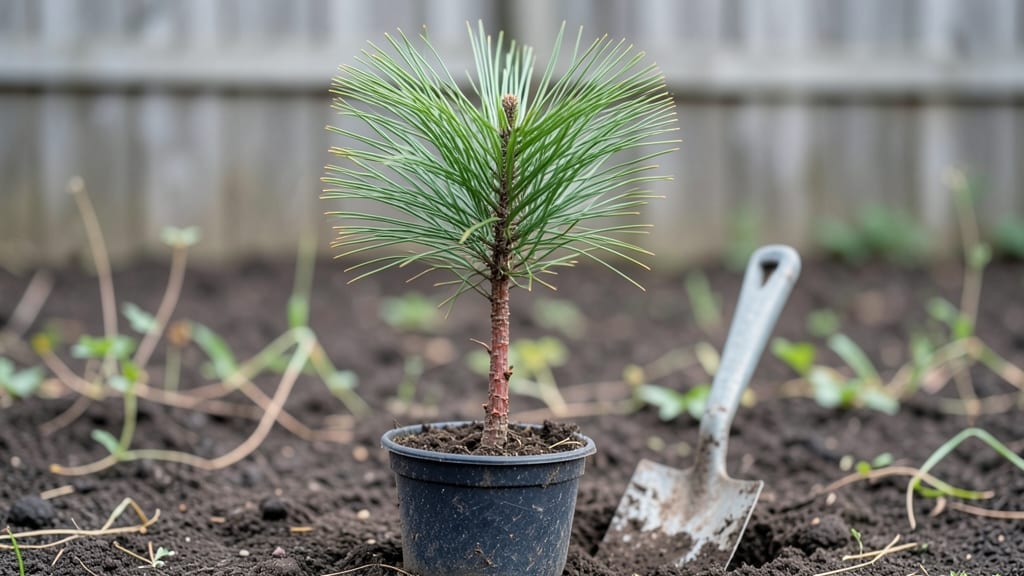
Planting redwood trees—those towering coastal giants—can transform your yard into a living cathedral. 🌿 I’ve watched my 3-year-old sequoias shoot up 10 feet in just two seasons, and it’s all about the right spot, soil, and a little patience.
These trees aren’t picky, but they do demand good drainage and space to stretch their roots deep.
The secret to early success starts with the hole—twice as wide as the root ball but no deeper. Bare-root seedlings need a soaking before planting, while container-grown trees just need their pots removed carefully.
Mulch heavily with wood chips to keep moisture in and weeds out, and water deeply once a week for the first year. Skip the synthetic fertilizers; redwoods thrive on rich, undisturbed soil.
By year three, you’ll see those signature feathery branches filling out, and the scent of pine will linger in the air. These trees grow slow but steady, and with proper care, they’ll outlive you—literally.
The key is avoiding root damage during planting and giving them room to grow, because once they’re established, they’re nearly indestructible.
Coastal redwoods love foggy, mild climates but adapt surprisingly well to inland areas with consistent moisture. Just avoid planting near sidewalks or driveways—their roots spread wider than you’d think. Here’s how to get started without the common pitfalls that stunt growth.
📚 In This Guide
- What you need
- Instructions
- Tips and common mistakes
- Wrapping up and next steps
What you need
- ● Redwood seedlings or saplings: 1–3 coastal redwood (Sequoia sempervirens) seedlings (size depends on planting method: 1–3 ft tall for direct planting, 6–12 in for container starts).
- ● Certified disease-free from a reputable nursery (e.g., California Redwood Association or local arboretums).
- ● Planting site: Sunlight: Full sun to partial shade (6+ hours of sunlight daily).
- ● Space: Minimum 20 ft between saplings (redwoods grow tall and wide!).
- ● Soil: Well-draining, acidic (pH 5.5–7.0), and rich in organic matter (amend with compost if needed).
- ● Water source: Drip irrigation or hose (redwoods love moisture but hate soggy roots).
- ● Tools: Shovel or digging spade (for planting holes).
- ● Garden fork (to loosen soil).
- ● Pruning shears (to trim damaged roots or branches).
- ● Measuring tape (to ensure proper spacing).
- ● Gloves (for comfort and protection).
- ● Soil amendments: Peat moss or pine bark fines (to maintain acidity).
- ● Slow-release fertilizer (balanced 10-10-10) (apply sparingly—redwoods prefer nutrient-poor soil!).
- ● Mulch: 3–4 inches of wood chips or pine straw (retains moisture and mimics forest floor).
- ● Windbreaks: Temporary burlap screens or stakes (if planting in exposed areas).
- ● Monitoring tools: pH test kit (to check soil acidity).
- ● Moisture meter (to track watering needs).
Step-by-step instructions for planting redwood trees
Here's how to give these coastal giants the perfect start—my method ensures strong roots and rapid growth.
🪴 Step 1: Choose the Right Location and Prepare the Soil
Redwoods thrive in well-draining, slightly acidic soil with a pH between 5.5 and 7.5. Test your soil first—amend with peat moss or compost if needed to improve drainage. I dig a hole twice as wide and just as deep as the root ball (about 18-24 inches deep for a 5-gallon container seedling). The wider hole encourages roots to spread outward naturally.
Loosen the soil at the bottom with a shovel or garden fork to break up compaction. Avoid adding fertilizer at planting—redwoods are sensitive to excess salts, and the existing root ball already has nutrients. If your soil is heavy clay, mix in 1-2 inches of coarse sand at the bottom of the hole to improve drainage.
☀️ Step 2: Plant at the Correct Depth and Stake for Support
Place the redwood seedling in the hole so the top of the root ball sits 1-2 inches above ground level. This prevents the stem from rotting if soil settles later. I use a level to check that the tree isn’t tilted—redwoods grow tall quickly, and a crooked start means a permanently leaning giant.
Fill the hole with native soil, tamping gently in 2-inch layers to eliminate air pockets. Water deeply after each layer to settle the soil. Install a 4-6 foot stake on the upslope side (if planting on a slope) or toward the prevailing wind direction. Tie the tree loosely to the stake with soft tree ties—too tight now, and you’ll strangle growth later.
💧 Step 3: Water Deeply and Mulch to Retain Moisture
Water the newly planted redwood with 5-10 gallons of water over 15-20 minutes, letting it soak deep into the soil. You’ll see water pooling at the edges—this means the roots are getting the moisture they need to establish. After watering, spread 2-3 inches of wood chips or bark mulch in a 3-foot diameter circle around the base, keeping it 6 inches away from the trunk to prevent rot.
Mulch helps retain moisture and regulates soil temperature, which is critical for young redwoods. Replenish mulch annually in late winter—never let it pile up against the trunk. Water twice weekly for the first month, then taper to once weekly once the tree shows new growth. Overwatering here is just as harmful as underwatering.
🌿 Step 4: Protect and Monitor for the First Critical Year
Redwoods grow best in partial shade to full sun, but young trees need protection from hot afternoon sun in their first year. I install a shade cloth (30-50%) on the south side if planting in a hot climate. Prune only to remove dead or crossing branches—never "thin" the canopy. Redwoods grow their own structure naturally, and aggressive pruning weakens the tree.
Watch for aphids or spider mites, which love new growth. Spray with neem oil if you spot sticky residue on leaves or fine webbing. By the end of the first year, your redwood should show new growth at the tips and a thicker trunk—signs it’s putting down strong roots. This is when you’ll see the 3-year growth spurt begin.
Tips & tricks for perfect redwood planting
These little-known details make all the difference between a struggling sapling and a thriving coastal giant.
Soil Science: The 18-24 inch depth for your 5-gallon seedling might seem deep, but redwood roots need space to explore horizontally. I use a garden fork to loosen the sides of the hole—this creates root pathways without compacting the soil. For clay-heavy soils, mix in that 1-2 inches of coarse sand at the bottom first, then add native soil on top. This creates a natural drainage layer that prevents waterlogging.
Staking Strategy: That 4-6 foot stake isn't just for show—it's about creating a strong foundation. I always install it on the upslope side first, then adjust the tree's position to ensure perfect vertical alignment. Use soft tree ties and leave room for the trunk to thicken—you can loosen them after 6 months as the tree establishes itself. Too-tight ties can girdle the trunk as it grows.
Watering Wisdom: Those 5-10 gallons over 15-20 minutes should pool at the edges—this visual cue tells you water's reaching the root zone. I set a timer and check the soil after 10 minutes; if it's dry 2 inches down, keep watering. The key is deep, infrequent watering that encourages roots to grow downward rather than staying shallow.
Mulch Magic: That 2-3 inch layer of wood chips isn't just decoration—it's a temperature regulator. In summer, it keeps roots cool; in winter, it insulates against frost. I always keep it 6 inches from the trunk to prevent rot, and I never let it pile up against the base. Replenish it annually in late winter when the ground is still cool, creating a protective barrier for emerging roots.
Pro Tips for Planting Redwood Trees
- These little-known details make all the difference between a struggling sapling and a thriving coastal giant.
- Soil Science: The 18-24 inch depth for your 5-gallon seedling might seem deep, but redwood roots need space to explore horizontally.
- Staking Strategy: That 4-6 foot stake isn't just for show—it's about creating a strong foundation.
Frequently asked questions
Got questions about growing these towering beauties? Here are some of the most common concerns—and their answers—to help you get started with confidence!
How deep should I plant redwood tree saplings?
Plant the root ball just below the soil line—no deeper than 2–3 inches below the original planting depth. Redwoods hate "root suffocation," so avoid burying the trunk too deeply. Use a spade to loosen the soil around the edges and water gently to settle it. Pro tip: A slight mound of soil around the base helps with drainage!
Can I plant redwood trees in winter?
Yes! Redwoods thrive in cool, wet conditions, making winter (or early spring) ideal for planting. Avoid extreme heat or frost—aim for temperatures between 40°F and 60°F. If planting in winter, mulch heavily (4–6 inches) to protect roots from freezing. Bonus: Winter soil is softer, making digging easier!
What’s the fastest way to grow a redwood tree?
Redwoods grow 2–3 feet per year in optimal conditions (moist, well-drained soil + partial shade). To boost growth:
- Water deeply 1–2x/week (they love humidity!).
- Use compost-rich soil (mix in 20% compost before planting).
- Avoid transplant shock—keep saplings in containers until roots fill the pot.
Why is my redwood tree’s foliage turning brown?
Brown needles usually signal overwatering, underwatering, or pests. Check these fixes:
- Watering issues: Redwoods need consistently moist (not soggy) soil. Adjust your schedule—drought stress causes browning too!
- Pests: Watch for spider mites or aphids. Spray with neem oil if you spot webbing or sticky residue.
- Sunburn: If leaves scorch, provide afternoon shade (young trees are sensitive!).
Are there dwarf redwood varieties for small yards?
Yes! If space is limited, consider:
- ‘Pendulum’ Redwood (Sequoia sempervirens ‘Pendulum’): Grows 30–40 ft tall with a weeping habit—perfect for focal points.
- ‘Monterey Redwood’: Compact (20–30 ft) and drought-tolerant once established.
- ‘Golden Dawn’: Variegated foliage (gold/yellow) stays under 25 ft.
Wrapping up and next steps
Planting redwood trees isn’t just about nurturing towering giants—it’s about creating a legacy for future generations.
With the right soil, patience, and care, you’ll witness their majestic growth in just three years! 🌲 Whether you’re restoring a forest or adding a statement tree to your landscape, every seedling you plant helps combat climate change and supports biodiversity.
Ready to take the next step? Start small—research local nurseries, connect with conservation groups, or even volunteer for reforestation projects. Your green thumb could spark a movement! 🌱