
Planting
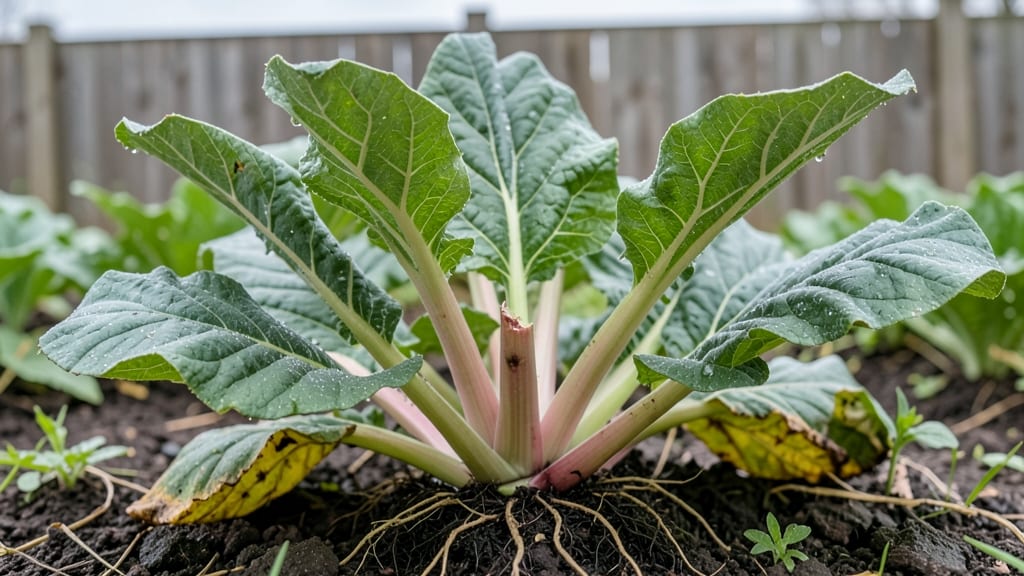
Growing a large rhubarb plant starts with the right conditions—rich soil, patience, and a sunny patch where it can spread its roots deep. I’ve watched mine go from a single crown to a sprawling, productive patch that gives me tart stalks from spring through summer, with minimal fuss.
The key isn’t constant pruning but understanding when to let it rest and when to encourage bold growth.
Rhubarb thrives in well-draining soil with a pH between 6.0 and 6.8, and it needs full sun for at least six hours a day. Space plants 3–4 feet apart—they’ll spread over time, but crowding leads to smaller stalks.
Water deeply once a week, especially during dry spells, and avoid fertilizing heavily; too much nitrogen makes leaves happy at the expense of stalks. My plants reward this balance with thick, vibrant stalks that outshine store-bought any day.
First-year plants focus on roots, so resist harvesting until year two. After that, cut stalks at the base, leaving the leaf crown intact—those leaves feed the plant. By late summer, let the stalks flower once to boost next year’s growth, then trim them back.
With this approach, my rhubarb keeps producing year after year, with stalks so large they need two hands to hold.
Cold-hardy and low-maintenance, rhubarb pays dividends over decades. Once established, it’s one of the most reliable perennials in the garden—just give it space, sunlight, and a little patience. Here’s how to coax the biggest, most productive plant from your patch.
📚 In This Guide
- What you need
- Instructions
- Tips and common mistakes
- Wrapping up and next steps
What you need
- ● Rhubarb crowns: 2–3 healthy, disease-free crowns (choose varieties like 'Victoria' or 'Strawberry' for large growth).
- ● Well-draining soil: Amend garden soil with 2–3 inches of compost or aged manure (rhubarb loves rich, slightly acidic soil, pH 6.0–6.5).
- ● Organic mulch: 4–6 inches of straw or wood chips to retain moisture and suppress weeds.
- ● Balanced fertilizer: 10-10-10 or 5-10-10 (apply 1–2 cups per plant in early spring and after harvest).
- ● Watering can or hose: With a gentle spray nozzle to avoid damaging tender stalks.
- ● Garden trowel or spade: For planting and soil prep.
- ● Pruning shears: Sharp, bypass-style shears for clean cuts.
- ● Gloves: Heavy-duty to protect hands from thorns and soil.
- ● Measuring tape: To ensure proper spacing (3 feet apart for large plants).
- ○ Row cover or frost cloth (optional): For early spring protection in cold climates.
- ● A sunny location with at least 6 hours of direct sunlight daily.
- ● Patience! Rhubarb crowns take 2–3 years to reach full size but reward with decades of growth.
- ● Cold-hardy zone: Rhubarb thrives in USDA Zones 3–9 (it’s frost-tolerant!).
Instructions for cultivating a productive rhubarb plant
Rhubarb thrives with patience and a few key techniques—here’s how to coax a robust, long-lived plant.
Select and Prepare the Planting Site
Choose a location with full sun to partial shade—at least 6 hours of direct sunlight daily—and well-draining soil with a pH between 6.0 and 6.5. Rhubarb tolerates cooler climates but struggles in extreme heat, so avoid areas where summer temperatures exceed 85°F. Amend heavy clay soil with 2-3 inches of compost to improve drainage and fertility, mixing it into the top 12 inches of soil.
Dig a hole 12-18 inches wide and deep—large enough to accommodate the root crown without bending the stems. Place the rhubarb crown 1-2 inches below soil level to encourage strong root establishment. Space multiple plants 3-4 feet apart to allow for mature growth and airflow, which reduces disease risk.
Plant and Establish the Rhubarb Crown
Position the rhubarb crown so the buds face upward—these will develop into stalks. Gently spread the roots outward in the hole, ensuring they’re not crowded or folded. Cover the crown with the amended soil, pressing lightly to eliminate air pockets but avoiding compaction. Water deeply immediately after planting to settle the soil and encourage root contact.
Keep the soil consistently moist but not soggy for the first 4-6 weeks—rhubarb roots are delicate and need steady hydration to establish. Mulch around the base with 2-3 inches of organic mulch, such as straw or shredded leaves, to retain moisture and suppress weeds. Avoid fresh wood chips, which can rob nitrogen from the soil.
Manage Watering and Fertilization for Growth
Rhubarb is drought-tolerant once established but produces best with 1-1.5 inches of water weekly during the growing season. Water at the base of the plant, avoiding the leaves to prevent fungal diseases like leaf spot. You’ll know it’s time to water when the top 2 inches of soil feel dry—allowing the soil to dry slightly between waterings encourages deeper root growth.
Fertilize lightly in early spring with a balanced, low-nitrogen fertilizer (such as 10-10-10) applied at half the recommended rate. Over-fertilizing, especially with nitrogen, leads to excessive leaf growth at the expense of stalks. Side-dress with additional compost in late fall to replenish nutrients for the following year.
Prune Strategically for Year-Round Harvest
Harvest stalks only in the second year after planting to allow the plant to build strength. In subsequent years, cut stalks at ground level when they reach 8-10 inches long, leaving the leaf attached to protect the growing point. Avoid harvesting more than one-third of the stalks in a single season to prevent stress. Remove any yellowed or diseased leaves promptly to maintain plant health.
In late fall, trim back any dead or damaged foliage but leave the crown intact for winter. Rhubarb is hardy and can survive down to -30°F, but a 3-4 inch layer of mulch over the crown insulates roots and prevents heaving. Avoid pruning in winter—wait until early spring to assess new growth before making cuts.
Monitor for Pests and Diseases
Rhubarb is generally pest-resistant, but Japanese beetles and slugs may target leaves. Handpick beetles early in the morning when they’re sluggish, and set out beer traps for slugs. If fungal diseases like rust or crown rot appear, remove affected foliage immediately and treat with a copper fungicide if necessary. Healthy rhubarb should have vibrant green leaves and firm, crisp stalks—any discoloration or wilting signals a problem.
Rotate harvest locations if growing multiple plants to prevent soil-borne diseases from accumulating. With proper care, a single rhubarb plant can produce stalks for 10-15 years, making it a low-maintenance perennial for any garden.
Tips & tricks for cultivating a productive rhubarb plant
A thriving rhubarb plant rewards patience with decades of harvests—here’s how to maximize its potential without the guesswork.
Site Selection Matters: While the instructions emphasize full sun to partial shade, I’ve found that rhubarb actually performs best in cooler climates where summers stay below 85°F for extended periods. If you’re in a hotter region, consider planting in a location with afternoon shade or using shade cloth during peak summer heat. The 6 hours of sunlight should be morning sun when temperatures are cooler, not intense afternoon rays.
Root Establishment is Critical: The first 4-6 weeks after planting are make-or-break for root development. I recommend installing a simple drip irrigation system on a timer to maintain consistent moisture—rhubarb roots are particularly sensitive to drought stress during this period. The 1-2 inches below soil level placement isn’t just about aesthetics; it protects the crown from temperature fluctuations that can stress the plant.
Fertilization Strategy: That balanced 10-10-10 fertilizer at half-strength in early spring is perfect, but here’s the secret: split that application into two smaller doses—once in early spring when new growth appears, and again after the first harvest. This two-step approach prevents nitrogen burn while ensuring steady nutrient availability throughout the growing season. The late fall compost side-dressing should be worked into the soil rather than just placed on top for maximum benefit.
Winter Protection Pays Off: While rhubarb can handle down to -30°F, the 3-4 inch mulch layer over the crown isn’t just about insulation—it’s about preventing soil heaving during freeze-thaw cycles. I’ve seen plants with inadequate winter protection develop crown damage that takes years to recover from. Use straw rather than leaves for mulch, as leaves can compact and create moisture pockets that encourage rot.
Pro Tips for Large Rhubarb Plant
- A thriving rhubarb plant rewards patience with decades of harvests—here’s how to maximize its potential without the guesswork.
- Site Selection Matters: While the instructions emphasize full sun to partial shade, I’ve found that rhubarb actually performs best in cooler climates where summers stay below 85°F for extended periods.
- Root Establishment is Critical: The first 4-6 weeks after planting are make-or-break for root development.
Frequently asked questions
Got questions about growing a large rhubarb plant? You're not alone!
Here are some of the most common concerns—plus quick, practical answers to help you cultivate a thriving, low-maintenance harvest.
How long does it take for a rhubarb plant to reach a large, productive size?
A rhubarb plant typically takes 2–3 years to mature enough for a large harvest. In its first year, focus on establishing roots—don’t harvest at all. By year two, you’ll see modest growth, and by year three, you can expect 5–10 stalks per plant (or more with proper care!). Patience pays off—healthy plants can live (and produce!) for decades.
When is the best time to harvest rhubarb for maximum yield?
Harvest rhubarb in early spring (as soon as the soil is workable) through late spring (before new leaves unfurl). Avoid cutting stalks after early summer—the plant needs its energy to store nutrients for next year. Never harvest more than 1/3 of the stalks at once to prevent stress. For a large rhubarb plant, aim for 3–4 harvests per season, spacing them 2–3 weeks apart.
Why are my rhubarb stalks small or not growing well?
Small stalks or stunted growth often stem from over-harvesting, poor soil, or lack of sunlight. Ensure your plant gets full sun (6+ hours daily) and rich, well-draining soil (amend with compost!). Avoid harvesting in the first year, and never cut leaves—they feed the plant. If stalks are thin, try fertilizing lightly in early spring with a balanced 10-10-10 formula.
Can I grow rhubarb in containers, or does it need a garden bed?
Yes! Rhubarb thrives in containers if the pot is at least 18–24 inches deep and wide. Use a heavy container (rhubarb gets top-heavy) with drainage holes and fill it with loamy, well-draining soil. Just know that container-grown plants may produce slightly smaller stalks than in-ground varieties. Rotate the pot annually to prevent uneven growth.
How do I protect my large rhubarb plant from pests or diseases?
Rhubarb is generally pest-resistant, but slugs, aphids, and crown rot can be issues. Prevent slugs with diatomaceous earth or beer traps. For aphids, spray with soapy water. To avoid crown rot, never overwater—keep soil moist but not soggy. If leaves yellow or wilt, it may signal fungal issues; improve airflow by thinning dense foliage and avoid overhead watering.
Wrapping up and next steps
Growing a large rhubarb plant is a rewarding journey that yields delicious harvests with minimal effort! With the right soil, spacing, and a little patience, you can enjoy plump, vibrant stalks year-round—without over-pruning.
Remember, the key is balance: prune wisely, protect from pests, and give your plant room to thrive.
Ready to take the next step? Start by marking your calendar for next year’s planting season or explore companion plants to boost your rhubarb’s growth. Happy gardening! 🌱