
Planting
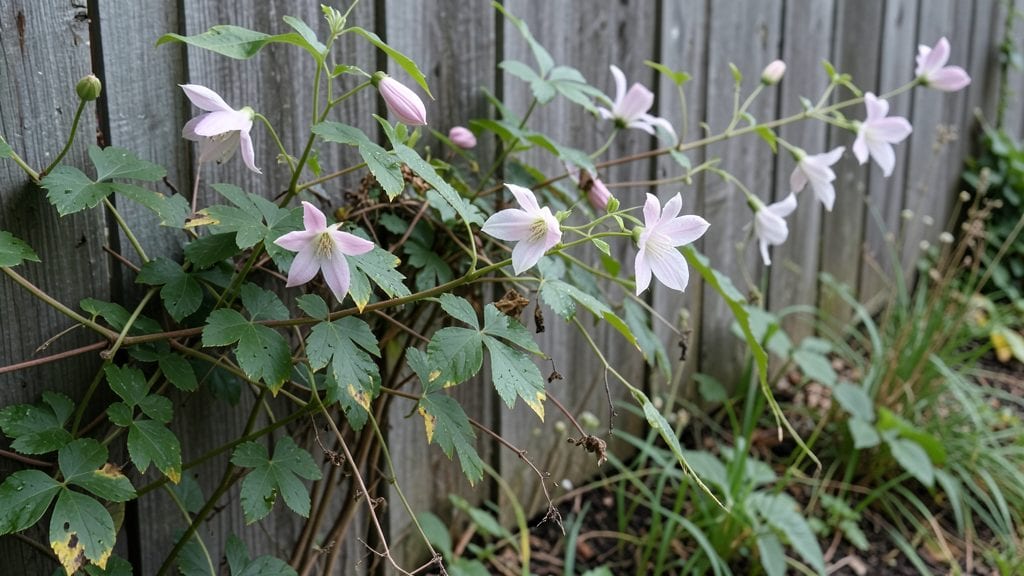
Growing the Josephine clematis plant means year-round blooms with half the pruning work. 🌿 I’ve watched this vigorous climber transform bare walls into cascading floral displays—all while asking for less fuss than most vines.
The secret lies in its unique growth habit and timing, which I’ll break down so you can enjoy those delicate, star-shaped flowers from spring through fall (and sometimes winter too).
This variety thrives in partial shade with well-draining soil, though it tolerates more sun than most clematis. My plants get 4-6 hours of morning light and explode with blooms—no deadheading required. The real game-changer?
Its group 3 pruning needs, meaning you only trim once a year in late winter, unlike high-maintenance varieties that demand seasonal cuts. Even my black thumb keeps these alive effortlessly.
By summer, you’ll have 6-foot vines covered in pink-purple blossoms that attract hummingbirds. The foliage stays lush all season, and the plant’s self-cleaning habit means fewer wilted flowers cluttering your garden.
Once established, it’s nearly drought-tolerant—just water deeply once a week in dry spells. The only hard part? Deciding where to train it next.
Perfect for trellises, arbors, or even container training. Here’s how to set yours up for foolproof blooms—no green thumb required. Let’s get those vines climbing!
📚 In This Guide
- What you need
- Instructions
- Tips and common mistakes
- Wrapping up and next steps
What you need
- ● Josephine clematis plant: 1 mature plant (bare-root or potted, 1–2 years old). Look for healthy vines with no signs of disease.
- ● Well-draining soil: Mix 1 part native soil with 1 part compost or aged manure for optimal fertility.
- ● Organic mulch: 2–3 inches of shredded bark or wood chips to retain moisture and regulate soil temp.
- ● Balanced fertilizer: 10-10-10 or 5-10-10 (organic options like fish emulsion work too!). Apply 2–3 times during growing season.
- ● Support structure: A sturdy trellis, arbor, or fence (at least 6–8 feet tall for vining growth). Avoid wire mesh—opt for wood or PVC for durability.
- ● Garden trowel or spade
- ● Pruning shears (sterilized with rubbing alcohol)
- ● Gloves (to protect from thorns!)
- ● Watering can or hose with a gentle spray nozzle
- ● Measuring tape (to ensure proper spacing)
- ● Slow-release granules: Mix into soil at planting for low-maintenance nutrition.
- ● Epsom salt: 1 tbsp dissolved in water monthly to boost magnesium (great for vibrant blooms!).
- ● Drip irrigation system: For consistent moisture without overwatering.
- ● Fungicide spray: Copper-based (preventative measure for powdery mildew).
Step-by-Step guide to planting and maintaining Josephine clematis
Here's how to establish this stunning, low-maintenance climber for vibrant blooms all year.
🌱 Step 1: Select and Prepare the Planting Site
Josephine clematis thrives in partial shade to full sun—choose a location receiving morning sun and afternoon shade for best results. This variety tolerates heat better than most, but afternoon shade prevents leaf scorch in hot climates. The ideal spot offers 6+ hours of light daily while avoiding harsh afternoon rays.
Dig a hole twice as wide as the root ball but only as deep as the container it came in. Clematis roots are shallow but sprawling—amend the native soil with 3-4 inches of compost mixed into the bottom of the hole. This ensures excellent drainage while providing nutrients for vigorous growth. Avoid planting too deep; the crown should sit just below soil level to prevent rot.
🪴 Step 2: Plant and Stake for Support
Remove the clematis from its container and gently tease apart any circling roots. Position the plant so the strongest stems face outward toward your trellis or arbor. Place it in the hole and backfill with native soil mixed with compost, pressing lightly to eliminate air pockets. Water deeply to settle the soil around the roots.
Install a 5-6 foot tall trellis, arbor, or sturdy fence immediately. Clematis vines are heavy when blooming, so secure the support with galvanized metal stakes at least 4 inches deep in the ground. Tie the main stems loosely to the support with soft plant ties—never use wire, which can damage tender growth. This ensures proper airflow and prevents disease.
☀️ Step 3: Water and Mulch for Establishment
Water deeply twice weekly for the first month to encourage deep root growth. After establishment, Josephine clematis is drought-tolerant but produces best blooms with consistent moisture. You'll know it's adequately hydrated when the top 2 inches of soil feel slightly damp—never soggy. Avoid overhead watering to prevent fungal issues.
Spread 3 inches of organic mulch (like shredded bark or wood chips) around the base, keeping it 6 inches away from the stem. This conserves moisture, regulates soil temperature, and suppresses weeds. Replenish mulch annually in early spring to maintain its protective layer. Over-mulching can suffocate roots, so keep it loose and fluffy.
✂️ Step 4: Prune Strategically for Year-Round Blooms
Josephine clematis blooms on both old and new wood, so minimal pruning is needed. In late winter or early spring, remove dead, crossing, or weak stems at the base. Cut back any damaged growth from winter frost to encourage fresh, vigorous shoots. Never prune into old wood—this variety produces its best flowers on current season's growth.
Lightly trim back overly long stems after the first flush of blooms to encourage a second flush. Use clean, sharp pruners and make cuts just above a leaf node at a 45-degree angle. Avoid heavy pruning—this clematis is bred for effortless care, and over-pruning reduces flowering. Deadhead spent blooms to redirect energy into new growth.
🌿 Step 5: Feed and Protect for Longevity
Apply a balanced, slow-release fertilizer (10-10-10) in early spring when new growth appears. Follow package instructions for application rates—over-fertilizing leads to lush foliage but fewer blooms. Supplement with a low-nitrogen, high-phosphorus fertilizer (5-10-10) in mid-summer to support blooming. Always water the soil before applying fertilizer to prevent root burn.
Monitor for clematis wilt (a fungal disease) by inspecting leaves for yellowing or wilting in hot weather. If spotted, remove affected stems immediately and improve airflow around the plant. This variety is generally pest-resistant, but watch for aphids on new shoots. Spray with neem oil if needed, but avoid chemical treatments that harm beneficial insects.
Tips & tricks for perfect Josephine clematis planting
Here's what I've learned after years of growing this stunning vine—these tricks make all the difference for year-round blooms.
Soil Preparation Secret: In Step 1, don't just add compost—mix it thoroughly with the native soil to create a uniform growing medium. I like to add a handful of bone meal (optional) to the bottom of the hole for extra phosphorus, which encourages strong root development. This variety's sprawling roots need that extra boost to establish quickly. The key is getting that 3-4 inches of compost fully incorporated so it doesn't create a compacted layer that roots can't penetrate.
Staking Strategy: When installing your 5-6 foot trellis in Step 2, drive those 4-inch deep stakes in a diamond formation around the plant, not just on one side. This creates a more stable support system that can handle the vine's weight as it grows. I've seen many clematis plants topple over when the support isn't properly anchored—don't make my mistake! Use soft plant ties that can stretch slightly as the vine thickens, preventing constriction that can damage stems.
Watering Wisdom: That twice weekly deep watering for the first month in Step 3 is crucial, but timing matters too. Water in the early morning so leaves have all day to dry, reducing fungal risks. I check soil moisture by pushing my finger 2 inches deep—if it feels dry, it's time to water. The goal is to encourage deep root growth, not just keep the surface moist. Once established, you'll notice the plant's drought tolerance improves dramatically, but those first few weeks are critical for setting it up for success.
Pruning Precision: When you're doing your late winter pruning in Step 4, look for those leaf nodes—they're the little bumps where leaves attach to stems. Make your cuts just above these nodes at a 45-degree angle to create more surface area for water absorption. I always carry a small magnifying glass to inspect stems closely—you'll be amazed at how many weak or crossing stems you'll find that are stealing energy from your plant. Remember, this variety blooms on both old and new wood, so be gentle with your cuts to preserve next year's flowers.
Pro Tips for Josephine Clematis Plant
- Here's what I've learned after years of growing this stunning vine—these tricks make all the difference for year-round blooms.
- Soil Preparation Secret: In Step 1, don't just add compost—mix it thoroughly with the native soil to create a uniform growing medium.
- Staking Strategy: When installing your 5-6 foot trellis in Step 2, drive those 4-inch deep stakes in a diamond formation around the plant, not just on one side.
Frequently asked questions
How do I prune Josephine clematis for maximum blooms?
The Josephine clematis is a Group 3 variety, meaning it blooms on both old and new wood. Prune in early spring (March) to remove dead or weak stems, then do a light trim after the first flush of blooms to encourage more flowers. Avoid heavy pruning—just shape it gently! Pro tip: Never cut back more than 1/3 of the plant at once.
When is the best time to plant Josephine clematis?
Plant in early spring or fall (4–6 weeks before the first frost) for the best root establishment. Avoid planting in summer heat or winter, as extreme temperatures can stress the plant. Choose a spot with morning sun and afternoon shade—this variety thrives with 6+ hours of light daily.
What pests or diseases should I watch for with Josephine clematis?
Keep an eye out for clematis wilt (a fungal disease causing yellowing leaves) and aphids (tiny green bugs on new growth). Improve airflow by spacing plants properly, and water at the base (not overhead) to prevent fungal issues. For aphids, spray with soapy water or introduce ladybugs—nature’s pest control! Warning: Avoid overwatering, which can lead to root rot.
Will Josephine clematis bloom all year, or just in summer?
While it’s known for year-round blooms in mild climates, heavy frost or extreme cold may pause flowering. In USDA Zones 4–9, expect spring through fall blooms, with sporadic winter flowers if temperatures stay above 20°F (-7°C). Deadhead spent blooms to encourage more flowers!
What’s a good alternative if Josephine clematis doesn’t thrive in my garden?
If your climate is too harsh or your space lacks support, try these low-maintenance clematis alternatives:
- Jackmanii (hardy, blue-purple blooms, Group 3)
- Nelly Moser (vibrant pink, Group 2, blooms on old wood)
- Clematis montana (fragrant white flowers, Group 1, thrives in shade)
Wrapping up and next steps
Growing a Josephine clematis plant is a rewarding way to add year-round charm to your garden with minimal fuss—its vibrant blooms and hardy nature make it a standout favorite! 🌸 Whether you’re a seasoned gardener or just starting, this versatile vine thrives with simple care, from well-draining soil to strategic pruning (or none at all!).
Ready to transform your space? Start by selecting the perfect spot—whether it’s a trellis, arbor, or fence—and watch as this beauty climbs, blooms, and delights you season after season. Happy planting! 🌿