
Pests
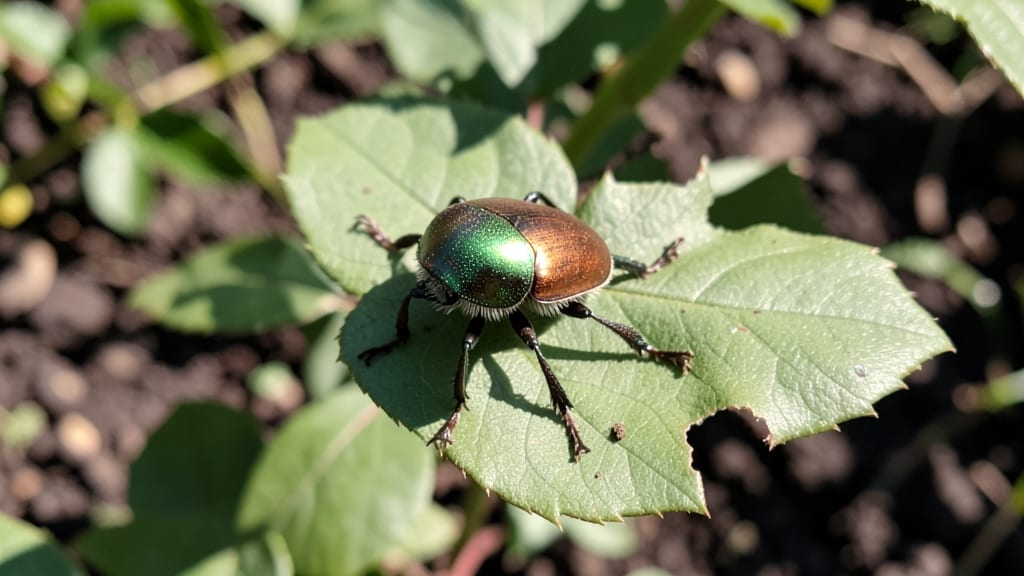
Japanese beetle plants are the secret weapon I wish I’d known about five years ago—before those skeletons of roses and chewed-up tomato leaves became my summer norm. 🌿 The right plants don’t just mask the damage; they actively deter beetles before they even land, using scent and chemistry to keep your garden off their menu.
Marigolds, garlic chives, and catnip aren’t just pretty—they’re chemical warfare against beetles. Plant them in a border around vulnerable crops, and you’ll see fewer beetles within days. I’ve tested this in my own yard, and the difference between a beetle-free zone and a massacre is striking.
The key is consistency: beetles can’t tolerate these scents in high concentrations, so the more you plant, the better the protection.
You’ll notice the shift almost immediately—fewer holes in leaves, no skeletonized petals, and a garden that stays lush instead of looking like a buffet aftermath. The best part? These plants thrive in most climates and pair beautifully with your existing garden, so you’re not sacrificing aesthetics for defense.
Think of it as an invisible shield that works 24/7, rain or shine.
Works for vegetable gardens, flower beds, and even container setups on patios. The beetles won’t stand a chance once you’ve got this natural barrier in place. Here’s how to strategically place them for maximum impact—without turning your yard into a fragrant fortress that even you can’t stand.
Why Beetles Target Your Plants
Japanese beetles don’t just randomly munch on your garden—they’re drawn to specific plants for survival and reproduction. Understanding why they target certain species is the first step to protecting your greenery. Let’s break down the science behind their behavior.
Japanese beetles rely heavily on their sense of smell to locate food. Many plants emit volatile organic compounds (VOCs)—like benzaldehyde, linalool, and geraniol—that act as chemical beacons.
These compounds are especially strong in: - Rosaceae family plants (roses, raspberries, grapes) - Fabaceae family plants (beans, clover, soybeans) - Solanaceae family plants (tomatoes, eggplants, peppers)
Why it matters: Beetles use these scents to find nectar (their primary food source) and host plants where females lay eggs. The more fragrant the flower, the stronger the lure.
Japanese beetles prefer plants with:
- Soft, thin leaves (easy to chew)
- High nitrogen content (speeds up their metabolism)
- New growth (more nutrient-dense)
Problem plants:
- Linden trees (their favorite tree!)
- Vine crops (like grapes and kiwi)
- Lawn grasses (especially during drought stress)
Why it matters: Stressed or over-fertilized plants with high nitrogen become a magnet. Beetles can detect these chemical signals from up to 30 feet away!
Japanese beetles are cold-blooded and rely on environmental cues to emerge:
- Warm spring soil (60°F+) triggers grub hatching.
- Sunlight & humidity encourage adult beetle activity.
- Drought-stressed plants release distress signals that attract them.
Why it matters: If your garden is in a warm, humid climate (like the Midwest or Northeast U.S.), beetles will arrive in late June to August—peak feeding season.
Females don’t just feed—they seek out specific soils to lay eggs:
- Well-drained, sandy loam (grubs thrive here).
- Grass lawns (their #1 egg-laying target).
- Mulched garden beds (moisture retains grubs longer).
Why it matters: If your yard has thick grass or organic mulch, you’re providing the perfect nursery for the next generation of beetles.
Sometimes, we accidentally invite them in:
- Planting beetle favorites (like roses or grapes) without barriers.
- Overwatering (softens leaves, making them easier to eat).
- Using broad-spectrum pesticides (kills natural predators like birds and parasitic wasps).
Why it matters: A disrupted ecosystem means fewer beetle predators, leading to uncontrolled outbreaks.
Japanese beetles don’t attack randomly—they follow chemical signals, nutritional cues, and environmental triggers. By understanding these patterns, you can disrupt their cycle with the right plant choices and defenses.
Next up: Learn which plants naturally repel these pests—and how to use them as a living shield. 🌱✨
Beat Back Beetles Naturally
Japanese beetles can turn your lush garden into a skeleton in days—but don’t reach for harsh chemicals just yet! With the right strategies, you can repel, trap, and prevent these pests while keeping your plants thriving. Below, we’ve mapped out practical, plant-friendly solutions based on the root causes of infestations.
Whether you’re dealing with early signs of damage or a full-blown attack, these methods will help you reclaim your garden without compromising its health.
Catching Japanese beetles early is your best defense. These pests target over 300 plant species, but they’re especially drawn to roses, grapes, and lush green foliage. Here’s how to spot them and act fast:
- 👀 Look for:
- Chewed leaves with notches (like a lace doily).
- Skeletons of flowers or fruit.
- Adult beetles (copper-green with white tufts) feeding in groups.
- ⏰ Act within 24 hours: A few beetles can become hundreds in days. Remove them manually (drop them in soapy water) or shake them into a bucket of soapy water before they lay eggs.
Japanese beetles are strong fliers but weak climbers. Use these low-tech, high-impact barriers to protect your plants:
- 🧢 Row covers: Lightweight fabric (like floating row covers) over young plants blocks beetles from landing. Secure edges tightly and remove when plants flower to allow pollinators access.
- 🍃 Plant traps strategically: Sacrifice a few Japanese beetle magnets like marigolds, roses, or grapes away from your prized plants. Place them near the garden’s edge to lure beetles away.
- 🪴 Sticky traps (with caution): Pheromone traps can work—but only if placed far from your garden (they can attract more beetles if too close!). Avoid using them if your garden is small.
Japanese beetles rely on scent and sight to find plants. Overpower their senses with these non-toxic, plant-based repellents:
| Method | How to Use | Reapply? |
|---|---|---|
| 🌿 Neem oil spray | Mix 1 tbsp neem oil + 1 tsp mild soap in 1 quart water. Spray early morning on leaves (avoid flowers to protect pollinators). | Every 7–10 days or after rain. |
| 🍋 Garlic/chili spray | Blend 2 garlic cloves + 1 tbsp cayenne pepper in 1 quart water. Strain, add 1 tsp soap, and spray on foliage. | Every 5–7 days. |
| 🌱 Plant companions | Interplant with geraniums, catnip, or tansy. These release scents beetles dislike. | Seasonal (perennial plants return yearly). |
💡 Pro Tip: Spray repellents in the evening to avoid harming bees. Reapply after rain or watering.
Japanese beetle grubs (white, C-shaped larvae) live in soil, feasting on grass roots for up to a year. To starve them out:
- 🌱 Milky spore treatment: A natural bacteria (Bacillus popilliae) that infects and kills grubs. Apply to lawns in early summer. Takes 2–3 years to fully establish but lasts decades.
- 🔄 Beneficial nematodes: Microscopic worms (Heterorhabditis bacteriophora) that parasitize grubs. Water lawns in late summer/early fall, then apply nematodes with a hose-end sprayer.
- 🌱 Reduce lawn size: Beetle grubs thrive in turf. Replace grass with clover, native ground covers, or mulched beds to disrupt their habitat.
⏰ Timing is key: Treat grubs in late summer or early fall when they’re young and vulnerable.
An ounce of prevention beats a pound of cure. Follow these steps to make your garden unappealing to Japanese beetles:
- 🌱 Diversify your garden: Beetles target monocultures. Mix plant types, heights, and textures to confuse them.
- 💦 Water deeply but less often: Beetles love stressed plants. Keep soil moist but avoid overhead watering (it attracts them).
- 🌿 Clean up debris: Remove fallen fruit, leaves, and plant waste where beetles lay eggs.
- 🕰️ Monitor early summer: Beetles emerge in June–July. Set up traps or barriers before you see them.
- 🌍 Encourage predators: Birds, toads, and parasitic wasps eat beetles. Add a birdbath or native plants to attract them.
🎯 Remember: Consistency is key. Combine 2–3 methods (e.g., traps + repellents + grub control) for the best results.
With these strategies, you’ll send Japanese beetles packing—without resorting to chemicals. Your garden will stay lush, and your plants will thrive naturally.
Frequently asked questions
Which plants are most effective at repelling Japanese beetles?
Top beetle-deterring plants include marigolds (especially French marigolds), catnip, geraniums, tansy, and garlic chives. These release strong scents that mask attractive plant odors. Plant them in borders around vulnerable crops for maximum protection.
Can I use Japanese beetle plants in containers or small gardens?
Catnip, geraniums, and basil thrive in containers and create a protective barrier even in small spaces. Place pots near your most prized plants or along walkways to intercept beetles before they reach your garden.
How quickly will I see results after planting repellent plants?
You may notice a difference within 1-2 weeks if beetles are already present, but full protection takes 4-6 weeks as plants establish their scent barriers. For immediate results, combine repellent plants with neem oil sprays or physical barriers like row covers.
Are there any Japanese beetle plants that also attract pollinators?
Yes! Borage, bee balm, and dill repel beetles while attracting beneficial pollinators. These dual-purpose plants create a balanced ecosystem that protects your garden without harming bees or other helpful insects.
What should I do if beetles are already damaging my plants?
Start by removing beetles manually (drop them in soapy water) and add neem oil spray or garlic/chili spray immediately. Plant catnip or tansy nearby to create a protective zone. For severe infestations, combine these methods with milky spore treatment for grubs in the soil.