Pruning
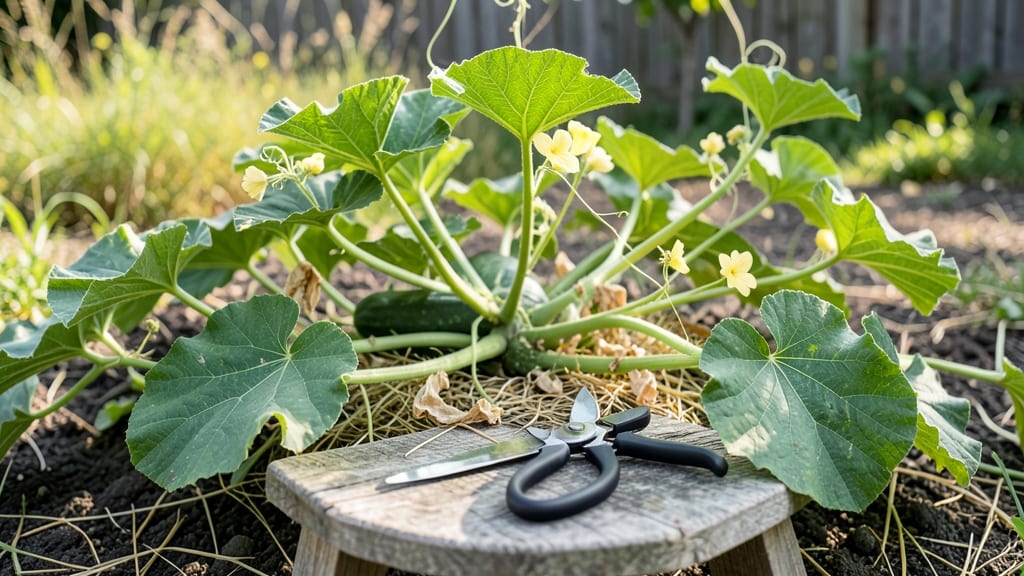
Pruning cantaloupe plants might sound intimidating, but those 3 simple cuts are all it takes to transform a struggling vine into a high-yielding powerhouse. 🌿 I’ve watched cantaloupes go from scraggly to productive just by focusing on the right spots—no fancy equipment needed.
The key is timing and knowing exactly where to trim without overdoing it.
Most gardeners skip pruning entirely, missing out on better air circulation and stronger vines that produce bigger, sweeter fruit. You’ll only need basic hand pruners and a few minutes each week to maintain the plant.
Start early in the season by removing weak shoots, then focus on suckers (those little side shoots) as the plant matures.
By mid-summer, your cantaloupe will reward you with thicker vines, fewer pests, and fruit that ripens faster. The plants stay healthier longer, and you avoid the common mistake of pruning too late—when it stresses the plant right before harvest.
Think of it as giving your cantaloupe a little haircut for maximum growth.
This method works for both bush and vine varieties, whether you’re growing in a small garden bed or a sprawling patch. Once you see the difference, you’ll wonder why you didn’t prune sooner. Let’s get those shears ready!
📚 In This Guide
- What you need
- Instructions
- Tips and common mistakes
- Wrapping up and next steps
What you need
- ● Pruning shears or secateurs: Choose bypass pruners (sharp, clean blades) with a 4- to 6-inch blade length for precision cuts. Disinfect with rubbing alcohol before and after use to prevent disease spread. (1 pair)
- ● Gloves: Wear gardening gloves (nitrile or leather) to protect your hands from thorns and dirt. Opt for cut-resistant if your cantaloupes have spiky vines. (1 pair)
- ● Sharp knife or pruning saw: For thicker stems (over ½-inch diameter), use a bypass hand saw with a fine-tooth blade. (1 tool)
- ● Garden twine or plant ties: 3-4mm diameter twine to support vines after pruning. Avoid plastic ties that can girdle stems. (1 roll, ~50 feet)
- ● Disinfectant: 70% isopropyl alcohol or a 10% bleach solution (1 part bleach to 9 parts water) to sterilize tools. (small bottle or spray)
- ● Compost or mulch: Organic matter (like straw or shredded leaves) to cover soil after pruning and retain moisture. (5-10 gallons)
- ● Hand lens or magnifying glass: For inspecting stems and leaves for pests or diseases before pruning. (small pocket-sized)
- ● Plant growth regulator: Paclobutrazol (follow label instructions) to slow vine growth if your cantaloupes are overproducing foliage. (small bottle)
- ● Spray bottle with water: To mist cut stems and encourage faster healing. (8-16 oz)
- ● Notebook & pen: To track pruning dates and vine responses for future reference. (1 small notebook)
Step-by-Step instructions for pruning cantaloupe plants
Here's the straightforward method I use to maximize fruit production while keeping plants healthy.
✂️ Step 1: Remove Suckers for Stronger Vines
Start when vines are 4-6 inches long and have 3-4 true leaves. Look for small shoots growing between the main stem and the first leaves—these are suckers. They compete for energy with your fruit, so pinch them off at the base with your fingers or clean pruners. I check weekly because new suckers appear fast.
Don't worry if you miss a few—they won't ruin your harvest, but removing them early gives your main vines more energy to develop stronger stems and larger leaves for photosynthesis. Focus on the first 12 inches of vine where most suckers appear.
✂️ Step 2: Trim Excess Leaves Near Fruit
Once flowers appear and small fruits form, reduce shade around them by pruning 3-4 leaves directly below each cantaloupe. Use clean, sharp pruners to cut just above a leaf node. This improves air circulation and sunlight exposure, which speeds up fruit ripening and prevents rot.
I avoid cutting leaves on the top half of the vine—those help feed the plant. Only remove leaves that would block light from reaching the fruit. If a leaf is yellow or diseased, remove it immediately to prevent spread.
✂️ Step 3: Prune Laterals After First Fruit Sets
After the first 6-8 cantaloupes form, focus on secondary vines (laterals) growing from the main stem. Trim these back to 12-18 inches to redirect energy to existing fruit. Use pruners to make clean cuts at a 45-degree angle just above a leaf node.
This step prevents overcrowding and reduces pest pressure by thinning foliage. I stop pruning laterals once fruits reach golf-ball size—after that, the plant needs all its energy for ripening. Watch for new lateral growth near mature fruit and trim it promptly.
✂️ Step 4: Clean Up After Harvest
Once cantaloupes ripen, remove any dead or dying leaves and wilted vines to prevent disease. Cut back overgrown laterals to 6 inches from the main stem. This keeps the plant tidy and prepares it for fall cleanup if you're growing in a warm climate.
I also check for remaining suckers—if any have grown since the last pruning, remove them now. This final cleanup ensures your cantaloupe plant stays productive and doesn't waste energy on unnecessary growth.
Tips & tricks for pruning cantaloupe plants
Here's what I learned the hard way about keeping your cantaloupe plants productive—these tricks will help you avoid common mistakes and maximize your harvest.
Timing is Everything: In Step 1, when you're removing suckers from vines that are 4-6 inches long, don't wait too long. I check my plants every 5-7 days because suckers grow fast and can steal energy from your main fruit. Focus on the first 12 inches of vine where most suckers appear—this is where the plant puts most of its energy early on. If you miss a few, don't stress, but consistent pruning makes a big difference in fruit size.
Leaf Pruning Strategy: When you get to Step 2 and need to trim 3-4 leaves below each fruit, here's my secret: always cut just above a leaf node. This ensures new growth will sprout from that spot, keeping your plant healthy. I also avoid cutting leaves on the top half of the vine—they're crucial for feeding the plant. Think of this step like giving your fruit a sunbath: more light means faster ripening and fewer rot issues.
Lateral Pruning Precision: In Step 3, when you're trimming laterals back to 12-18 inches, use clean pruners and make cuts at a 45-degree angle. This angle helps water run off the cut, preventing rot. I stop pruning laterals once fruits reach golf-ball size because that's when the plant needs to focus all its energy on ripening. Watch for new lateral growth near mature fruit—these little suckers can sneak up and steal energy from your developing cantaloupes.
Cleanup Matters: After harvest in Step 4, don't skip the final cleanup. Removing dead leaves and cutting back overgrown laterals to 6 inches prevents disease and keeps your plant tidy. I also check for any remaining suckers—sometimes they hide in plain sight. This final step might seem small, but it ensures your plant stays productive for future harvests, especially if you're growing in a warm climate where you might get multiple harvests.
Pro Tips for Prune Cantaloupe Plants
- Here's what I learned the hard way about keeping your cantaloupe plants productive—these tricks will help you avoid common mistakes and maximize your harvest.
- Timing is Everything: In Step 1, when you're removing suckers from vines that are 4-6 inches long, don't wait too long.
- Leaf Pruning Strategy: When you get to Step 2 and need to trim 3-4 leaves below each fruit, here's my secret: always cut just above a leaf node.
Frequently asked questions
Got questions about pruning cantaloupe plants? You’re not alone!
Here are answers to the most common queries to help you prune like a pro and maximize your harvest.
When is the best time to prune cantaloupe plants?
Prune your cantaloupe plants early in the morning when the dew is still on the leaves to reduce stress. Focus on pruning in the first 2–3 weeks after transplanting or when vines are 12–18 inches tall. Avoid pruning during hot afternoons or when fruit is already forming, as this can shock the plant.
Do I really need to prune cantaloupe plants? Can’t I just let them grow wild?
While cantaloupes can grow without pruning, pruning boosts yield and fruit quality by directing energy to fewer, larger melons. Without pruning, plants may produce too many small fruits or struggle with disease due to poor airflow. Think of it as giving your plants a focused workout instead of spreading themselves thin!
What happens if I prune too much or too little?
| Too Much Pruning | Too Little Pruning |
|---|---|
|
|
Pro tip: Aim for a balance—remove no more than 30% of the plant’s foliage at once!
Can I prune cantaloupe plants after they’ve started flowering?
Yes, but be cautious! Once flowers appear, prune only to remove:
- Dead or yellowing leaves ().
- Side shoots growing near the main stem ().
- Vines with more than 2–3 fruits (to avoid overburdening the plant).
What should I do if my cantaloupe plant looks stressed after pruning?
If your plant wilted or dropped flowers after pruning, act fast:
- Water deeply at the base (not overhead) to reduce shock.
- Apply a balanced fertilizer (like 10-10-10) to help recovery.
- Mulch around the plant to retain moisture and cool roots.
- Avoid pruning again for at least 2 weeks.
Wrapping up and next steps
Pruning your cantaloupe plants might feel like a small task, but it’s one of the biggest secrets to a bountiful harvest! 🌱 By focusing on just three key cuts—removing suckers, trimming runners, and pruning vines—you’ll encourage healthier growth, more energy toward fruit production, and fewer pests.
Remember, timing and clean cuts make all the difference, so grab those shears and get pruning with confidence!
Now that you’re armed with the know-how, head to your garden and give those vines the TLC they deserve. Before you know it, you’ll be feasting on sweet, sun-ripened cantaloupes—all thanks to a little strategic snipping! 🍉✨