
Plants
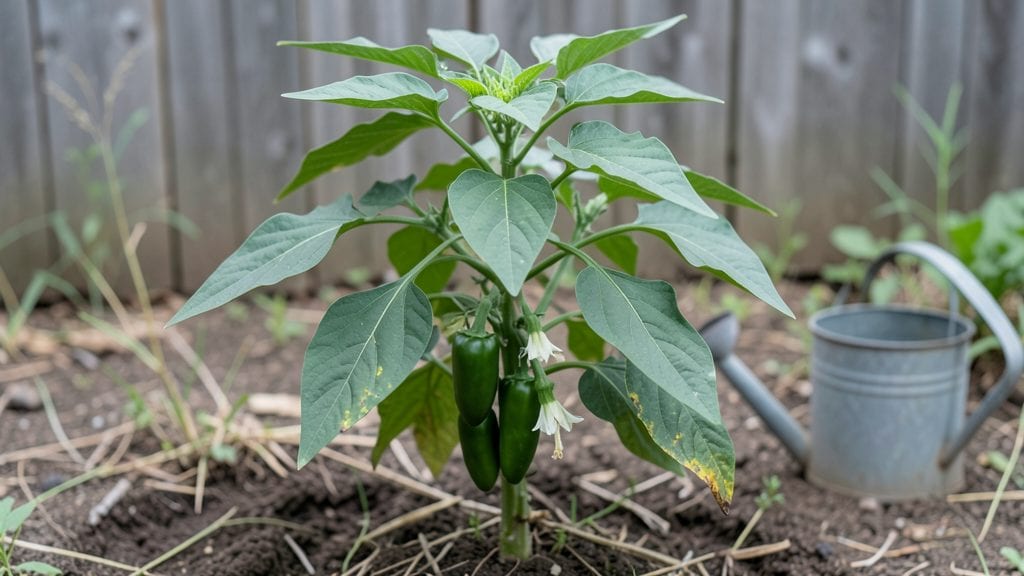
When your jalapeño plant wilting looks like a slow-motion tragedy, don’t panic—this is fixable. 🌱 I’ve revived more droopy peppers than I can count by tackling the real reasons behind the wilt: thirst, rot, or hidden pests. The key is checking the roots and leaves first before guessing.
Most wilting starts with water—either too much or too little. Overwatered plants turn yellow and mushy at the base, while underwatered ones feel crispy at the edges.
Nutrient burn or pests (like aphids) can also drain energy faster than your plant can recover. The good news? Each problem has a targeted fix.
By the time you’re done, your jalapeño will perk up in days—not weeks. Prune dead leaves, adjust your watering schedule, and add compost if the soil’s exhausted. The secret is acting fast before the roots give up entirely.
Works for container-grown peppers, raised beds, or backyard plots. Let’s turn that limp plant into a thriving one before your next harvest.
Root Causes Behind Wilting Jalapeños
Understanding why your jalapeño plant is wilting starts with identifying the underlying stressor. Wilting isn’t just a random sign of distress—it’s a cry for help from your plant, often triggered by environmental or care-related factors.
Let’s break down the most common culprits and why they happen, so you can address them with precision.
Jalapeños are drought-tolerant plants, but excess moisture—especially in poorly draining soil—can suffocate roots and lead to wilting.
Here’s why: - Root Rot: When soil stays soggy for days, fungal pathogens like Phytophthora thrive, rotting roots and cutting off water/nutrient uptake. - Oxygen Deprivation: Roots need oxygen to respire.
Compacted or waterlogged soil forces roots to "drown," triggering wilting as a survival response. - Salinity Buildup: Overwatering flushes away nutrients but leaves behind salts, which disrupt cellular function and cause osmotic stress.
Actionable Fix:
- Use well-draining soil mixes (50% potting soil, 30% perlite, 20% compost).
- Ensure pots have drainage holes and elevate them to prevent water pooling.
- Let the top 1–2 inches of soil dry between waterings (stick your finger in—if it’s damp, wait).
Jalapeños wilt when they’re thirsty, but heatwaves or dry conditions can accelerate the problem:
- Transpiration Overload: Hot, dry air causes leaves to lose water faster than roots can absorb it, leading to flaccid leaves.
- Soil Moisture Depletion: Shallow root systems in small pots dry out quickly, especially in full sun (6+ hours/day).
- Physiological Drought: Even with moisture in the soil, high temperatures can block stomata (leaf pores), preventing water uptake.
Actionable Fix:
- Water deeply (1–2 inches per session) in the early morning or late evening to reduce evaporation.
- Mulch with straw or shredded leaves to retain soil moisture.
- Move potted plants to partial shade (30–50% sunlight) during heatwaves (90°F+/32°C+).
Wilting can signal a hunger for key nutrients, especially if new growth is yellowing or stunted: - Nitrogen (N) Deficiency: Leads to weak stems and poor water transport, causing wilting even with adequate moisture. - Potassium (K) or Calcium (Ca) Shortages: Both are critical for osmotic regulation and cell membrane integrity.
Without them, cells lose turgor pressure. - Magnesium (Mg) Deficiency: Causes interveinal chlorosis (yellowing between leaf veins), impairing photosynthesis and energy for wilting recovery.
Actionable Fix:
- Fertilize with a balanced formula (10-10-10 or 5-5-5) every 4–6 weeks during growing season.
- Add Epsom salt (1 tbsp/gallon of water) monthly for magnesium.
- Test soil pH (ideal: 6.0–7.0). Acidic soil (pH <5.5) locks out nutrients like phosphorus.
Hidden pests or pathogens can sap energy from your jalapeño, causing wilting as a secondary symptom:
- Aphids/Spider Mites: Pierce leaves to feed on sap, clogging xylem vessels (water transport highways) and causing wilting.
- Fungal Infections (e.g., Alternaria or Fusarium): Attack roots or leaves, blocking nutrient flow and leading to sudden collapse.
- Root-Knot Nematodes: Microscopic worms that gall roots, reducing absorption surface area by up to 70%.
Actionable Fix:
- Inspect leaves undersides for pests (use neem oil spray if found).
- Remove infected foliage and treat with copper fungicide (follow label rates).
- Rotate crops annually to prevent soil-borne pathogens from recurring.
Sudden changes—like moving plants or extreme weather—can stun jalapeños into wilting:
- Temperature Fluctuations: Cold nights (<50°F/10°C) or hot days (>95°F/35°C) disrupt enzyme activity, halting growth and causing wilting.
- Windburn: Strong winds desiccate leaves, mimicking drought stress.
- Transplant Shock: Newly planted jalapeños may wilt for 3–7 days as roots establish (normal if leaves perk up afterward).
Actionable Fix:
- Acclimate plants gradually to outdoor conditions (harden off seedlings over 1 week).
- Use windbreaks (burlap screens or nearby structures) in exposed areas.
- Avoid fertilizing for 2 weeks post-transplant to reduce stress.
Sometimes wilting is normal—like after a long day of heat—but can become permanent if ignored:
- Diurnal Wilting: Leaves droop in the afternoon heat but recover at night (common in young plants).
- Overcrowding: Too many plants in a pot compete for resources, leading to weak, wilted growth.
- Flower/Fruit Load: Heavy jalapeño production drains water reserves, causing stems to sag.
Actionable Fix:
- Prune excess flowers/fruit if the plant is struggling (save a few for harvest).
- Thin seedlings to 12–18 inches apart in gardens or 1 plant per 5-gallon pot.
- Provide afternoon shade during peak heat (use shade cloth if needed).
Revive Your Jalapeño Plant Now
A wilting jalapeño plant isn’t a death sentence—it’s a call to action! 🌱 Whether your peppers are drooping from thirst, stress, or disease, here’s how to diagnose and fix the problem fast, plus tips to keep your plants thriving long-term.
Symptoms: Yellowing leaves, mushy stems, soil that stays soggy for days.
How to Fix It:
- 🔥 Stop Watering Immediately – Let the soil dry out completely before watering again.
- 🍳 Check Your Pots – If using containers, ensure they have drainage holes. No holes? Repot into a new container with fresh, well-draining soil.
- 👨🍳 Improve Soil Mix – Amend heavy or compacted soil with perlite, coconut coir, or sand to boost aeration.
- ⏰ Water Only When Needed – Stick your finger 1–2 inches into the soil. Water only when it’s dry to the touch.
Prevention Tip: 💡 Use a moisture meter or the "knuckle test" (press your knuckle into the soil—if it springs back, it’s too wet).
Symptoms: Crispy leaf edges, wilting even after watering, dry soil pulling away from pot sides.
How to Fix It:
- 🥘 Water Deeply & Regularly – Give your plant 1–2 inches of water per week (more in extreme heat). Water at the base, not the leaves, to prevent fungal issues.
- 🌡️ Shield from Scorching Sun – Move potted plants to partial shade during peak afternoon heat (12–4 PM). Use shade cloth if outdoors.
- 🎯 Mulch to Retain Moisture – Spread 1–2 inches of organic mulch (straw, grass clippings) around the base to lock in moisture.
- ✨ Mist Leaves (Carefully!) – Lightly mist foliage in the early morning to boost humidity, but avoid evening misting to prevent disease.
Prevention Tip: 🔥 Water in the early morning to reduce evaporation and give roots time to absorb moisture before the heat kicks in.
Symptoms: Black spots, white mold, oozing stems, or wilting despite proper watering.
How to Fix It:
- 🔪 Prune Infected Areas – Snip off yellowed or spotted leaves with sterilized scissors (wipe with rubbing alcohol between cuts).
- 🍳 Apply Fungicide – Use a copper-based fungicide or neem oil spray (mix 1 tbsp neem oil + 1 tsp mild soap + 1 quart water). Spray every 7–10 days until the issue clears.
- 👨🍳 Improve Airflow – Space plants 12–18 inches apart and avoid overcrowding. Use a small fan on low setting for 1–2 hours daily to encourage airflow.
- ⏰ Adjust Watering Habits – Water only the base of the plant, avoiding leaves. Water in the morning so foliage dries quickly.
Prevention Tip: 💡 Rotate your plants weekly to ensure even sunlight exposure and reduce fungal hotspots.
Symptoms: Stunted growth, pale leaves, roots circling the pot’s bottom.
How to Fix It:
- 🥗 Fertilize Lightly – Use a balanced liquid fertilizer (10-10-10 or 5-5-5) diluted to half-strength. Feed every 4–6 weeks during growing season (spring–fall).
- 🍎 Check the Roots – Gently remove the plant from its pot. If roots are tightly packed or circling, it’s time to repot.
- 🌿 Repot into Fresh Soil – Choose a pot 2–3 inches larger in diameter. Use a well-draining cactus/succulent mix or amend regular potting soil with compost.
- 🎯 Avoid Over-Fertilizing – Too much nitrogen causes lush leaves but weak stems. Stick to the half-strength rule and flush soil with water monthly.
Prevention Tip: ✨ Test your soil annually with a simple kit to monitor pH (ideal: 6.0–7.0 for jalapeños) and nutrient levels.
Symptoms: Sudden wilting after repotting, chewed leaves, or visible pests (aphids, spider mites).
How to Fix It:
- 🌱 Ease into Repotting – If recently transplanted, hold off on fertilizing for 2–3 weeks to reduce stress.
- 🔪 Remove Pests Manually – Spray pests off with soapy water (1 tsp mild soap + 1 quart water). For severe infestations, use insecticidal soap or neem oil.
- 🍳 Support Weak Stems – If stems are floppy from stress, stake the plant with a bamboo stake and soft tie with twine.
- 🎯 Quarantine New Plants – Keep newly purchased jalapeños separate for 2 weeks to prevent pest spread.
Prevention Tip: 💡 Inspect plants weekly under leaves and stems for early signs of pests or disease.
Once your plant perks up, consistency is key:
- Water: Deep but infrequent (let soil dry between waterings).
- Sun: 6–8 hours of sunlight daily (morning sun is best).
- Soil: Well-draining, slightly acidic to neutral pH.
- Prune: Remove yellow leaves and suckers (side shoots) to redirect energy to peppers.
With these fixes, your jalapeño plant should bounce back in 7–14 days—and next season, you’ll be harvesting spicy, vibrant peppers like a pro! 🌶️🔥
Frequently asked questions about reviving your jalapeño plant
Why does my jalapeño plant wilt even when the soil feels moist?
Wilting with damp soil usually signals root rot from overwatering or poor drainage. Check for mushy stems or blackened roots—if present, stop watering immediately and repot into fresh, well-draining soil mix (50% potting soil, 30% perlite, 20% compost). Ensure pots have drainage holes.
Can I save a jalapeño plant with crispy, brown leaf edges?
Yes! Crispy edges mean underwatering or heat stress. Water deeply (1–2 inches) in the morning and mulch with straw to retain moisture. Move potted plants to partial shade during afternoon heatwaves (90°F+/32°C+), and avoid evening watering to prevent fungal issues.
How do I tell if wilting is from pests or disease?
Inspect leaves and stems closely: pests (like aphids or spider mites) leave sticky residue or tiny webs, while disease shows as black spots, white mold, or oozing stems. For pests, use neem oil spray; for disease, prune infected areas and apply copper fungicide every 7–10 days.
Is it too late to revive a jalapeño with completely collapsed stems?
Not necessarily! If the roots are still white and firm (not black/mushy), trim back damaged foliage, repot in fresh soil, and place in bright indirect light. Keep soil consistently moist (not soggy) and avoid fertilizing for 2 weeks. Recovery takes 7–14 days if roots are healthy.
How often should I fertilize a wilting jalapeño plant?
Wait until the plant shows signs of recovery (firm stems, new growth). Then, use a balanced fertilizer (10-10-10 or 5-5-5) at half-strength every 4–6 weeks during spring–fall. Over-fertilizing stressed plants worsens nutrient burn and wilting. Flush soil with water monthly to prevent salt buildup.