
Plants
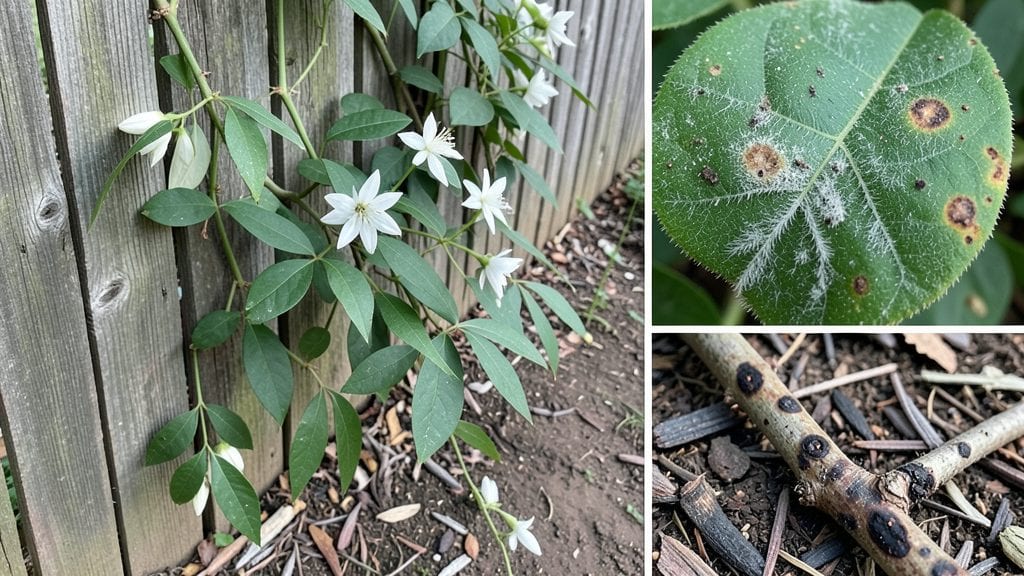
The fungus attacking my jasmine plant’s roots nearly killed it—until a hydrogen peroxide soak saved the day and revived its strength. The first sign was yellowing leaves and that sickly, mushy smell when I pulled back the soil.
Most gardeners panic and toss the plant, but this simple solution saved mine in just a few days.
Root rot thrives when jasmine sits in soggy soil for too long, especially in humid climates. Overwatering, poor drainage, or crowded pots create the perfect breeding ground. The good news? Hydrogen peroxide acts as a natural disinfectant, breaking down fungal spores while oxygenating the roots.
You’ll need just 3% food-grade peroxide, a clean bucket, and 15-20 minutes of your time.
After soaking the roots, you’ll see new growth within a week—thicker stems, glossier leaves, and that familiar jasmine scent returning. The key is consistency: repeat the soak every 7-10 days until the plant fully recovers. Pair this with better drainage and pruning to prevent future outbreaks.
Works for both indoor and outdoor jasmine, whether you’re dealing with powdery mildew or root rot. Let’s get those plants thriving again—naturally and affordably.
Root Causes Of Fungal Spread
Fungal infections in jasmine plants—like root rot—don’t just appear out of nowhere. They thrive when specific conditions align, turning your lush greenery into a soggy, wilted mess. Understanding why these fungi take hold is the first step to stopping them. Let’s break down the key culprits and their sneaky science.
Fungi love moisture, and jasmine plants—especially those in containers—are prime targets when water pools around roots. Here’s the science:
- Anaerobic Conditions: When soil stays soggy for too long, oxygen is displaced, creating a low-oxygen (anaerobic) environment. Fungi like Phytophthora and Pythium thrive here because they can break down organic matter without oxygen. - Root Suffocation: Overwatered roots can’t absorb oxygen efficiently, weakening their defenses.
Weak roots = easy entry for fungal spores lurking in the soil. - Container Risks: Pots without drainage holes trap excess water, turning the root zone into a fungal buffet. Even well-draining soil mixes can compact over time, reducing porosity.
💡 Pro Tip: Stick your finger 1–2 inches into the soil before watering. If it’s damp, wait. For container plants, ensure holes are unclogged and consider a cache pot (a secondary pot with gravel) to regulate moisture.
Fungal spores are everywhere—dormant in old potting mix, garden tools, or even the air. Here’s how they hijack your jasmine:
- Spore Survival: Fungi like Fusarium and Rhizoctonia produce microscopic spores that can survive for years in soil, waiting for the right conditions (like excess moisture) to activate. - Tool Transmission: Pruners, trowels, or repotting tools can carry spores from infected plants to healthy ones.
Even washing tools with water isn’t enough—spores are tough! - Infested Amendments: Compost, peat moss, or reused soil may harbor fungal pathogens. Some "sterile" mixes aren’t fully free of spores, especially if stored in damp conditions.
✨ Prevention Hack: Sterilize tools with 70% isopropyl alcohol or a 10% bleach solution (rinse well). For soil, bake it at 180°F (82°C) for 30 minutes to kill spores before repotting.
Fungi aren’t picky—they just need the right climate to party. Jasmine plants often fall victim when:
- Cool, Damp Air: Temperatures between 60–75°F (15–24°C) with high humidity (above 70%) create the perfect fungal greenhouse.
Stagnant air prevents evaporation, keeping leaves and soil wet longer. - Nighttime Chill: If your jasmine sits in a cool, humid spot overnight (like a greenhouse or shaded patio), condensation forms on leaves, giving fungi a foothold. - Poor Airflow: Crowded plants or dense foliage trap moisture.
Fungi spread via spore dispersal, and still air helps spores linger near their targets.
🌡️ Fix It: Space plants 12–18 inches apart, use a fan on low for airflow, and avoid overhead watering. If humidity is an issue, dehumidifiers or ventilation fans can help.
A weakened jasmine is an open invitation for fungi. Stress from pests or deficiencies makes roots and leaves vulnerable:
- Root-Feeding Pests: Grubs, nematodes, or even overzealous aphids damage roots, creating entry wounds for fungi like Armillaria (shelf fungus). - Nutrient Imbalances: Too much nitrogen (common in fast-release fertilizers) promotes lush foliage but weak roots.
Conversely, phosphorus or potassium deficiencies weaken cellular defenses. - Transplant Shock: Moving jasmine without proper acclimation stresses the plant, slowing recovery and leaving it susceptible to opportunistic fungi.
💪 Boost Defenses: Use a balanced fertilizer (10-10-10 or 20-20-20) and beneficial microbes like Mycorrhizal fungi to strengthen roots. Inspect for pests regularly—neem oil can deter soft-bodied insects without harming the plant.
Starting new jasmine plants from cuttings or divisions? Fungal infections often sneak in during this process:
- Cutting Surface: When you propagate, the fresh cut exposes plant tissues to spores in the soil or air.
If the cutting medium (like perlite or peat) isn’t sterile, fungi like Botrytis (gray mold) can infect the wound. - High Moisture During Root Growth: Cuttings need humidity to root, but if the environment is too damp, fungal spores multiply faster than roots. - Improper Healing: Cuttings that don’t callus over (form a protective layer) before planting are more prone to infection.
🔪 Safe Propagation Steps:
- Use sterilized scissors and rooting hormone to reduce stress.
- Let cuttings dry for 1–2 hours to form a callus.
- Plant in a sterile, well-draining mix (perlite + coconut coir).
- Mist lightly and avoid covering with plastic—opt for a humidity dome with airflow holes instead.
Fixing Fungal Issues in Jasmine Plants
Fungal infections can turn your vibrant jasmine plant into a sad, wilted shadow—but don’t panic! With the right approach, you can revive your plant and keep future outbreaks at bay.
Below, we’ll break down practical solutions tailored to common fungal problems (like root rot, powdery mildew, or leaf spots) and share prevention tips to protect your jasmine long-term.
Cause: Overwatering, poor soil drainage, or soggy roots create the perfect breeding ground for fungi like Phytophthora or Pythium.
How to Fix It:
- 🔥 Remove the Plant Gently Carefully dig up your jasmine, shaking off excess soil to inspect the roots. Healthy roots are firm and white; rotten roots are mushy, dark, or smell foul. Trim away the bad roots with sterilized scissors (dip in rubbing alcohol first).
- 🧼 Hydrogen Peroxide Soak (The Game-Changer) Fill a clean bucket with 1 part 3% hydrogen peroxide to 4 parts water. Submerge the roots for 10–15 minutes—this kills fungi and bacteria without harming the plant. Rinse with fresh water afterward.
- 🌡️ Let It Dry & Repot Allow the roots to air-dry for 1–2 hours before repotting. Use a well-draining mix (cactus/succulent soil + perlite) and a pot with drainage holes. Skip watering for 3–5 days to prevent re-infection.
💡 Prevention Tips:
- Water only when the top 1–2 inches of soil are dry (stick your finger in to check!).
- Elevate pots to improve airflow and drainage.
- Avoid saucers that trap water—empty excess liquid after watering.
Cause: High humidity, poor airflow, or crowded plants encourage this white, powdery fungus on leaves.
How to Fix It:
- 🍳 Homemade Fungicide Spray Mix 1 tsp baking soda + 1 tbsp neem oil + 1 tsp dish soap + 1 gallon of water. Spray both sides of leaves until damp. Repeat every 7–10 days until cleared.
- 🌬️ Improve Air Circulation Prune nearby plants to open up space, and consider a small fan (on low) to keep air moving.
- 🌿 Remove Severely Infected Leaves Snip off heavily mildewed leaves with clean scissors and dispose of them in the trash (not compost).
💡 Prevention Tips:
- Water in the morning so leaves dry quickly.
- Space plants 12+ inches apart for better airflow.
- Use reflective mulch (like aluminum foil) to reduce humidity near the soil.
Cause: Fungal spores (like Alternaria or Septoria) thrive in wet, warm conditions, creating brown/black spots on leaves.
How to Fix It:
- ⏰ Prune Infected Leaves Immediately Cut off spotted leaves 1 inch below the damage to stop the spread. Sterilize your tools between cuts.
- 🔪 Apply Copper Fungicide Use a store-bought copper-based spray (or mix 1 tsp copper sulfate + 1 gallon water) and spray every 2 weeks until new growth appears.
- 🌡️ Reduce Leaf Wetness Water at the base of the plant (not overhead) and avoid late-night watering.
💡 Prevention Tips:
- Space plants for airflow (fungi love stagnant air!).
- Clean up fallen leaves regularly—fungi hitchhike on debris.
- Rotate plants occasionally to prevent recurring spots in the same area.
If your jasmine is severely weakened from fungus:
- 🌿 Take a cutting from healthy stems and root it in water or perlite.
- 🌱 Propagate new plants from the cutting while the old one recovers (or replace it if needed).
- 🚫 Quarantine infected plants until they’re fungus-free to avoid cross-contamination.
Remember: Fungal issues are manageable—consistent care and quick action are key! With these fixes, your jasmine will bounce back stronger than ever. 🌿💪
Frequently asked questions about jasmine plant fungus
Why does my jasmine plant keep getting white powdery spots even after I prune infected leaves?
Powdery mildew spores spread through the air and can reinfect your plant if humidity stays high or airflow is poor. Even after pruning, spores linger on nearby surfaces or in the soil. For stubborn cases, apply a baking soda-neem oil spray (1 tsp baking soda + 1 tbsp neem oil + 1 tsp dish soap per gallon of water) every 7 days and increase spacing between plants to 12+ inches.
Can I save a jasmine plant with black, mushy roots from root rot?
Yes, but act fast! Trim all diseased roots with sterilized scissors, then soak the remaining roots in a 3% hydrogen peroxide solution (1 part peroxide to 4 parts water) for 10-15 minutes. Repot in fresh, well-draining soil and withhold water for 3-5 days to prevent reinfection. If over 50% of roots are rotten, propagation from healthy cuttings may be better.
How often should I sterilize my gardening tools to prevent fungal spread?
Clean tools after every use to stop fungal spores from hitchhiking! Wipe blades with 70% isopropyl alcohol or soak in a 10% bleach solution (rinse well) between plants. Store tools in a dry place to prevent rust and contamination. For heavy infections, flame-sterilize metal tools over a gas burner for 20 seconds.
Will fungicides harm my jasmine flowers or bees?
Most chemical fungicides are safe once dry, but organic options are bee-friendly. Use copper-based sprays or neem oil (applied in early morning/late evening when bees are less active). Avoid spraying flowers directly. For extra protection, apply fungicides before blooming season or use reflective mulch to reduce humidity near the soil.
Can I reuse old potting soil that had fungal issues in my jasmine?
No—fungal spores survive in soil for years! Instead, sterilize soil by baking it at 180°F (82°C) for 30 minutes or mix in 10% fresh perlite by volume. For containers, replace the top 2-3 inches of soil annually. Always repot in clean, well-draining mixes to prevent reinfection.