
Container Gardens
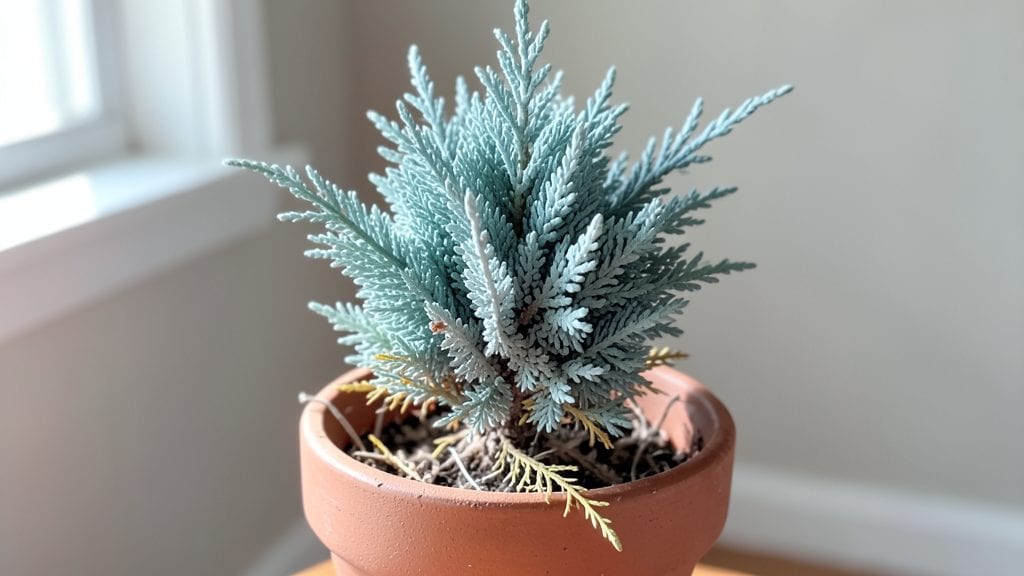
Growing an indoor cypress plant transforms any room into a serene, evergreen retreat. 🌿 I’ve nurtured these elegant plants for years, and the key lies in replicating their natural habitat—bright, indirect light, well-draining soil, and consistent moisture without soggy roots.
The payoff? Lush, arching foliage that stays vibrant all year, even in winter when other plants struggle.
These plants thrive in 6-inch pots with drainage holes, filled with a mix of potting soil and perlite to prevent root rot. Water when the top inch feels dry, and mist the foliage weekly to mimic humidity levels they crave.
Prune leggy growth in spring to encourage bushier, fuller shapes—just snip just above a leaf node with clean scissors.
Common mistakes like overwatering or placing them in drafts lead to brown tips or yellowing leaves. The fix? Adjust your watering schedule and keep them away from cold windows or vents. With the right care, your cypress plant will reward you with year-round greenery that’s both low-maintenance and stunningly lush.
Perfect for beginners and seasoned plant parents alike, these hardy plants adapt well to indoor conditions. Whether you’re filling a corner with texture or adding vertical interest, this guide ensures your cypress stays healthy and thriving—no green thumb required.
📚 In This Guide
- What you need
- Instructions
- Tips and common mistakes
- Wrapping up and next steps
What you need
- ● Indoor cypress plant: A healthy, potted Cupressus macrocarpa or Cupressus arizonica (dwarf varieties work best for indoor spaces).
- ● Pot: A well-draining container (10–14 inches in diameter) with drainage holes. Terracotta or ceramic pots are ideal.
- ● Potting mix: A lightweight, fast-draining blend—mix 50% peat moss or coco coir, 30% perlite or pumice, and 20% sand.
- ● Gravel or pebbles: 1–2 inches for the pot’s drainage layer.
- ● Watering can: With a narrow spout for precise watering.
- ● Fertilizer: A balanced, slow-release fertilizer (e.g., 10-10-10) or organic options like fish emulsion.
- ● Pruning shears: Sharp, clean shears for trimming (sterilize with rubbing alcohol).
- ○ Humidity tray: Optional but helpful for maintaining moisture (fill with pebbles and water).
- ● Grow lights: If natural light is limited, a full-spectrum LED grow light (12–14 hours/day).
- ● Plant food: Liquid seaweed extract for a nutrient boost (every 4–6 weeks).
- ● Mulch: Orchid bark or pine needles to retain moisture and deter pests.
- ● Pest control: Neem oil or insecticidal soap (for spider mites or aphids).
- ● Decorative accents: Moss, pebbles, or decorative stones for a polished look.
Step-by-Step instructions for growing a healthy indoor cypress plant
Here’s how I keep my cypress plants lush and vibrant—no green thumb required.
🪴 Step 1: Choose the Right Pot and Soil Mix
Start with a pot that has drainage holes—cypress plants hate soggy roots. A 6-8 inch diameter container works for one plant, but since we’re growing 4, use 10-12 inch pots to give each room to spread. Fill the bottom with 1 inch of perlite to improve drainage, then add the 3 gallons of potting mix you’ve got.
Cypress plants love airy soil that drains well. Mix in ½ cup of coarse sand or perlite per pot to lighten the blend. Press the soil down lightly—just enough to hold the plant steady, but don’t compact it. The mix should feel like a damp sponge, not a brick.
🌱 Step 2: Plant Your Cypress with Care
Gently remove your cypress plant from its nursery pot and loosen the roots if they’re circling. Place it in the center of the new pot, so the top of the root ball sits ½ inch below the rim. This keeps the soil level stable and prevents water from spilling over when you water.
Fill the gaps around the roots with the remaining potting mix, pressing lightly to eliminate air pockets. Water immediately after planting—this helps settle the soil and removes any stress from the roots. Let the water drain completely before placing the pot in its final spot.
☀️ Step 3: Position for Perfect Light and Humidity
Cypress plants thrive in bright, indirect light—think near a north or east-facing window where they get 4-6 hours of gentle sunlight daily. Avoid harsh afternoon sun, which can scorch the delicate fronds. If your space is dim, supplement with a grow light kept 12-18 inches away for 12-14 hours a day.
These plants love humidity! If your home is dry, place the pots on a pebble tray filled with water or mist the fronds 2-3 times a week. You’ll know the humidity is right when the tips stay soft and green—not crispy or yellowing.
💧 Step 4: Water Wisely for Long-Lasting Health
Water your cypress plants when the top 1-2 inches of soil feel dry to the touch. Stick your finger in—if it comes out clean, it’s time to water. Use room-temperature water and soak the soil until water runs out the drainage holes. Empty the saucer afterward to prevent root rot.
Overwatering is the biggest mistake—cypress plants are drought-tolerant once established. If the soil stays soggy for more than a day, reduce watering. Yellowing fronds often signal overwatering, while brown tips mean the air is too dry. Adjust your care based on what you see!
✂️ Step 5: Prune and Maintain for Bushy Growth
Prune your cypress plants in early spring to encourage fuller growth. Use clean, sharp scissors to trim back any leggy stems or brown tips. Cut just above a leaf node—this is where new growth will sprout. Never cut more than ⅓ of the plant at once, or you’ll shock it.
Fertilize lightly every 4-6 weeks during the growing season (spring and summer) with a balanced liquid fertilizer. Dilute it to half-strength to avoid burning the roots. In fall and winter, let the plant rest—just water and enjoy its natural shape. With consistent care, your cypress will stay lush for years!
Tips & tricks for perfect indoor cypress plant care
Here's what I've learned after keeping cypress plants thriving for years—these small details make all the difference.
Soil Mix Secret: When mixing your potting soil in Step 1, I like to add an extra ¼ cup of orchid bark to the mix for each pot. This improves aeration even more than just perlite alone. The bark helps prevent that compacted feeling while still maintaining moisture retention—cypress plants appreciate this balance.
Light Positioning: In Step 3, if you notice your cypress fronds leaning toward the window, it's getting too much direct light. Rotate the pot ¼ turn every week to encourage even growth. For north-facing windows, you might need that grow light for 14 hours daily instead of 12-14 to compensate for lower light levels.
Watering Technique: The finger test in Step 4 works perfectly, but here's my extra tip: Use your middle finger (it's the right length) and press it 1 inch deep into the soil. If it comes out with any soil clinging to it, wait another day. This prevents overwatering while still catching when the plant needs hydration.
Fertilizer Timing: When fertilizing every 4-6 weeks in Step 5, I've found that applying fertilizer right after watering helps prevent root burn. Also, if you notice new growth slowing down after fertilization, cut back to every 8 weeks—sometimes less is more with these sensitive plants.
Pro Tips for Indoor Cypress Plant
- Here's what I've learned after keeping cypress plants thriving for years—these small details make all the difference.
- Soil Mix Secret: When mixing your potting soil in Step 1, I like to add an extra ¼ cup of orchid bark to the mix for each pot.
- Light Positioning: In Step 3, if you notice your cypress fronds leaning toward the window, it's getting too much direct light.
Frequently asked questions
Got questions about keeping your indoor cypress plant thriving? You’re not alone! Here are answers to the most common queries—from care basics to troubleshooting—so you can enjoy lush, year-round greenery without the guesswork.
How often should I water my indoor cypress plant?
Water your cypress plant when the top 1–2 inches of soil feel dry. Aim for every 7–10 days, but adjust based on humidity and light. Overwatering is the #1 killer—stick your finger in the soil to test! Pro tip: Use a pot with drainage holes to prevent root rot.
Why are the tips of my cypress plant turning brown?
Brown tips usually signal low humidity or fluoride buildup from tap water. Boost moisture with a pebble tray or humidifier, and switch to filtered or distilled water. If the issue persists, check for pests like spider mites—wipe leaves gently with a damp cloth.
What’s the best temperature range for an indoor cypress plant?
Keep your cypress happy in 65–75°F (18–24°C) during the day and avoid drafts (like AC vents or heaters). These tropical plants hate cold drafts—below 55°F (13°C) can cause leaf drop. A sunny windowsill (without direct sun) is ideal!
Can I grow an indoor cypress plant from cuttings?
Yes! Snip a healthy stem with 3–4 leaves, remove lower leaves, and dip the cut end in rooting hormone. Plant in moist perlite or sand, cover with a plastic bag, and place in bright, indirect light. Roots should form in 4–6 weeks. Patience is key—keep the soil damp but not soggy!
What’s a good alternative if I can’t find an indoor cypress?
Try these low-maintenance, drought-tolerant swaps:
- Parlor Palm – Thrives in low light and humidity
- ZZ Plant – Nearly indestructible, great for beginners
- Snake Plant – Handles neglect and purifies air
- Ponytail Palm – Stores water like a cypress but needs less fuss
Wrapping up and next steps
Growing an indoor cypress plant is a rewarding way to bring lush, year-round greenery into your home—no green thumb required! 🌿 With the right soil, light, and care, you’ll enjoy a thriving, low-maintenance plant that purifies the air and elevates your space.
Whether you’re a beginner or a seasoned gardener, this Cypress plant recipe makes it simple to create a stunning container garden.
Ready to take the next step? Start small—pick your pot, gather your supplies, and follow the steps to nurture your cypress plant into a flourishing centerpiece. Watch it grow, and enjoy the calming beauty of nature indoors!