Container Gardens
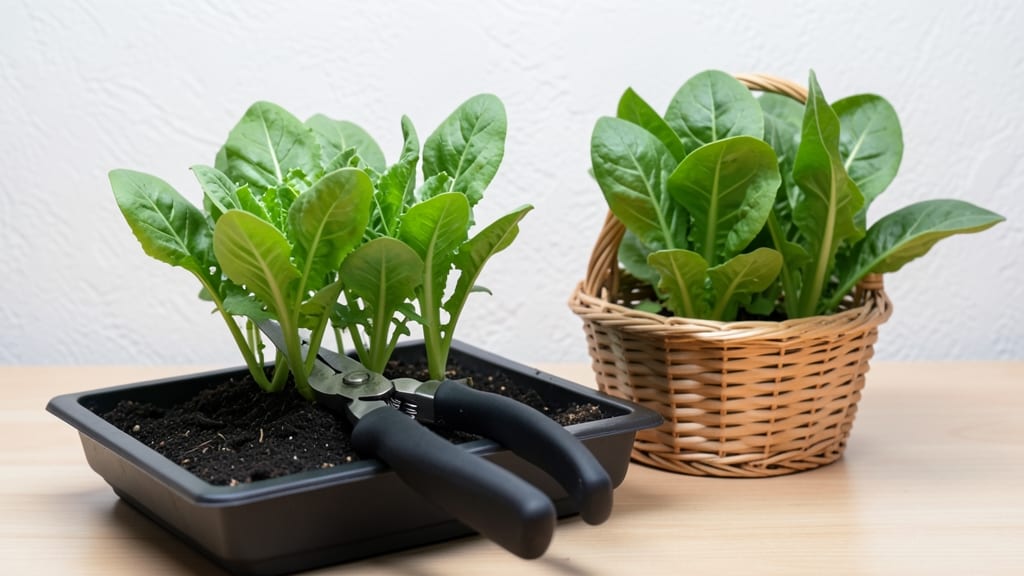
Transform your kitchen into a thriving hub of indoor plants food—where fresh basil, mint, and chives grow effortlessly on your windowsill, slashing grocery bills and boosting flavor anytime. 🌿 The right plants, light, and care make all the difference between thriving greens and sad, leggy stems.
You’ll need just a few supplies: containers with drainage, well-draining potting mix, and a south-facing window or grow light. Herbs like basil and parsley love bright light, while mint and chives tolerate lower light better.
A small pot (6–8 inches) works for most, and watering should be consistent—never soggy, never dry.
With the right routine, you’ll harvest fresh leaves in as little as 3–4 weeks. Imagine snipping basil for pasta or mint for tea straight from your windowsill. The key is pruning regularly to encourage bushier growth and using a balanced fertilizer every few weeks for extra vigor.
Even in small spaces, this setup works—whether you’re in a bright apartment or a dim corner with a grow light. Let’s get those herbs growing strong all year.
📚 In This Guide
- What you need
- Instructions
- Tips and common mistakes
- Wrapping up and next steps
What you need
- ● Edible herb seeds or seedlings: Basil (6-10 seeds or 3-4 seedlings)
- ● Chives (5-8 seeds or 2-3 seedlings)
- ● Mint (3-5 seeds or 1-2 seedlings)
- ● Parsley (4-6 seeds or 2 seedlings)
- ● Thyme (5-7 seeds or 2 seedlings)
- ○ Optional add-ons: Cilantro, dill, or oregano (3-5 seeds or 1-2 seedlings each)
- ● Containers: 4-6 small pots (4-6 inches in diameter) with drainage holes
- ● OR a single large tray (10x20 inches) with individual compartments
- ● Potting mix: 2-3 gallons of high-quality, well-draining organic potting soil (avoid garden soil)
- ● Watering can or spray bottle (with a fine mist setting for seedlings)
- ● Fertilizer: Balanced liquid fertilizer (e.g., 10-10-10) or organic options like fish emulsion
- ○ Grow lights (optional but recommended): LED grow light (12-15 inches above plants, 12-16 hours/day)
- ● OR a sunny windowsill (south-facing for best results)
- ● Pruning shears or clean scissors (for harvesting and trimming)
- ● Self-watering planters (to reduce maintenance)
- ● Humidity dome or plastic wrap (for seedlings)
- ● pH testing kit (to monitor soil health, ideal pH: 6.0-7.0)
- ● Labels and markers (to track herb varieties)
- ● Glove and apron (for easy cleanup)
Step-by-Step instructions for growing indoor edible herbs
Here's how to grow a thriving indoor herb garden with minimal fuss.
🪴 Step 1: Choose and Prepare Containers
Start with the 4 small pots (6-8 inches wide) from your list. Ensure each has drainage holes—if not, drill 2-3 additional holes in the bottom. I line the holes with a small piece of mesh to keep soil in while allowing water to escape. Place a saucer under each pot to catch excess water.
Fill each pot with 1 gallon of well-draining potting mix—this ensures roots won’t suffocate. Press the soil down lightly so it’s firm but not compacted. A loose mix lets air and water reach the roots easily. Tap the pot gently on the table to settle the soil evenly.
🌱 Step 2: Plant Your Herb Starts
Remove each herb from its nursery pot and gently loosen the roots if they’re circling tightly. Place one plant per pot, positioning it so the top of the root ball sits ½ inch below the rim. This gives you room to water without spilling.
Fill the remaining space with more potting mix, pressing lightly around the base to eliminate air pockets. Water thoroughly until moisture runs out the drainage holes. You’ll know it’s done when water pools in the saucer for a few seconds before draining away.
☀️ Step 3: Position for Light and Humidity
Place your pots near a south-facing window where they’ll get 6+ hours of bright, indirect light daily. If your space lacks natural light, supplement with a grow light kept 4-6 inches above the plants for 12-14 hours a day. Herbs like basil and parsley need this consistency to thrive.
Mist the leaves lightly every 2-3 days to maintain humidity—indoor air tends to dry out plants quickly. Grouping pots together also helps create a microclimate. Watch for yellowing leaves, which signals either too much light (brown spots) or too little (pale, leggy growth).
💧 Step 4: Water and Fertilize Consistently
Water when the top inch of soil feels dry to the touch. Stick your finger in the soil—if it’s damp past your first knuckle, wait another day. Overwatering is the fastest way to kill these plants. Use room-temperature water to avoid shocking the roots.
Every 4 weeks, mix 1 teaspoon of balanced liquid fertilizer into 1 gallon of water and apply to each pot. This keeps your herbs lush without burning their delicate leaves. Stop fertilizing in winter when growth slows naturally.
✂️ Step 5: Prune and Harvest Regularly
Pinch off the top set of leaves when your herbs reach 4-6 inches tall to encourage bushier growth. This also prevents them from becoming woody or flowering too soon. Regular pruning keeps basil, parsley, and chives producing fresh leaves for months.
Harvest leaves in the morning after the dew has dried. Use clean scissors to snip just above a leaf node—this encourages new growth. Never take more than ⅓ of the plant at once, or you’ll stunt its ability to recover. Fresh herbs taste best when used within 2-3 days of harvesting.
Tips & tricks for perfect indoor herb gardens
Growing edible herbs indoors doesn't have to be complicated—these simple tricks will help you avoid common mistakes and keep your plants thriving all year.
Container Selection: In Step 1, those 6-8 inch pots are perfect for herbs, but if you're using larger containers, make sure to place only one herb per pot. Herbs like basil and parsley have shallow root systems and don't need much space. If you're using decorative pots without drainage holes, consider placing them inside saucers filled with pebbles and water—this creates a self-watering system while still allowing excess water to drain away.
Lighting Strategy: For Step 3, if you don't have a south-facing window, don't worry! LED grow lights are a game-changer for indoor herb gardens. Position them 4-6 inches above your plants and keep them on for 12-14 hours daily—this mimics natural sunlight perfectly. I've found that full-spectrum LED bulbs work best for herbs, as they provide the right balance of light wavelengths for growth.
Watering Wisdom: The finger test in Step 4 is your best friend. I've learned the hard way that overwatering is the #1 killer of indoor herbs—it's better to underwater slightly than to drown them. When you notice water pooling in the saucer for more than a few minutes, it's time to empty it. Also, always use room-temperature water to avoid shocking the roots, which can happen with cold water straight from the tap.
Pruning and Harvesting: In Step 5, when you pinch off those top leaves, you're actually encouraging your herbs to grow bushier. Think of it like giving your plants a haircut—it promotes thicker, fuller growth. And when harvesting, always use clean scissors or pruning shears. I've seen many people use their fingers, but this can crush the stems and damage the plant. Plus, clean tools prevent the spread of disease between plants.
Pro Tips for Indoor Plants Food
- Growing edible herbs indoors doesn't have to be complicated—these simple tricks will help you avoid common mistakes a...
- Container Selection: In Step 1, those 6-8 inch pots are perfect for herbs, but if you're using larger containers, mak...
- Lighting Strategy: For Step 3, if you don't have a south-facing window, don't worry! LED grow lights are a game-chang...
Frequently asked questions
Got questions about growing your own indoor food plants? You’re not alone! Here are some of the most common queries—and their answers—to help you cultivate a thriving edible herb garden with confidence.
Can I grow edible herbs indoors without sunlight?
Most herbs need at least 4–6 hours of bright, indirect light daily. If your space is dim, opt for a grow light (LED or fluorescent) or place plants near a south-facing window. Leafy herbs like basil and parsley adapt better to low light than sun-lovers like rosemary or thyme.
How quickly can I harvest my indoor herbs?
Timing varies by herb, but you can typically start harvesting within 4–8 weeks of planting. Basil and cilantro grow fast (ready in ~3–4 weeks), while mint or thyme may take 6–8 weeks. Pinch off leaves regularly to encourage bushier growth!
Are there any herbs I should avoid growing indoors?
Herbs like dill and fennel can get leggy indoors and may not thrive without ample light. Lavender also struggles in low-light conditions. Stick to basil, parsley, mint, chives, or thyme for foolproof indoor success.
My indoor herbs are turning yellow—what’s wrong?
Yellowing leaves usually signal overwatering or nutrient deficiency. Let the soil dry slightly between waterings (stick your finger in—top inch should be dry). If leaves are pale, fertilize lightly with a balanced, water-soluble herb fertilizer (diluted to half strength).
Can I grow indoor herbs in water instead of soil?
Many herbs—like basil, mint, and chives—thrive in water with fresh changes every 2–3 days. Use a jar with pebbles to keep stems submerged, but avoid deep water (rot risk!). Soil is better long-term for herbs like thyme or rosemary, though.
Wrapping up and next steps
Growing your own indoor food plants isn’t just rewarding—it’s a delicious way to bring freshness to your kitchen year-round! 🌱 From zesty basil to peppery mint, these edible herbs are easy to cultivate, even in small spaces, and they’ll supercharge your meals with vibrant flavors.
Whether you’re a seasoned gardener or a curious beginner, starting with these low-maintenance plants is a game-changer for your pantry.
Ready to take the next step? Pick one herb to grow this week—like basil for pesto or parsley for garnishes—and watch your culinary creativity (and harvest) flourish! 🌿