Flowers
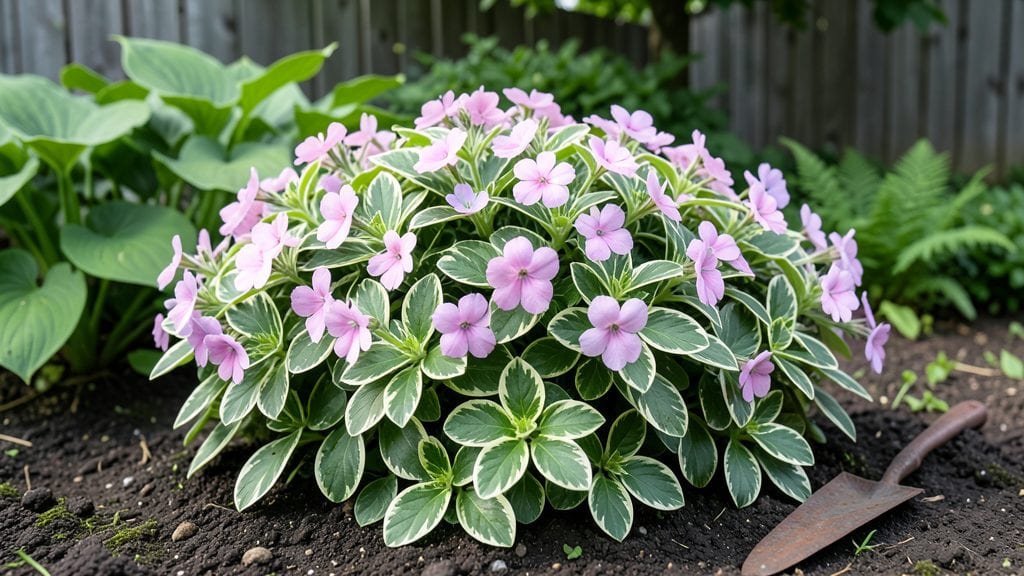
Variegated impatiens plants bring shockingly lush color to shady spots where most flowers refuse to grow. 🌿 I’ve grown them for years, and they’re the secret weapon for turning dull corners into vibrant, buzzing pollinator havens—especially when you nail their care quirks.
The variegated varieties aren’t just pretty; their striped foliage and bright blooms create a neighbor-jealousy display that lasts from spring until frost.
These shade-lovers thrive in partial to full shade, but they’ll reward you with nonstop blooms if you keep the soil moist and rich. Unlike their solid-colored cousins, variegated impatiens need slightly more light to maintain their striking patterns—think dappled sunlight through trees, not deep, dark shade.
A well-draining potting mix (or garden soil amended with compost) prevents the root rot that’s their biggest enemy, and regular watering keeps those velvety leaves looking fresh.
Once established, they’re impossible to kill—just snip spent blooms to encourage more flowers and watch bees and butterflies flock to them. The variegation fades in intense heat, so morning shade is your best bet in hotter climates.
With the right spot, you’ll have blooms for months on end, turning your shady garden into a showstopper.
Perfect for containers, window boxes, or tucked into garden beds where sunlight is scarce. Here’s how to keep them thriving all season long—no green thumb required.
📚 In This Guide
- What you need
- Instructions
- Tips and common mistakes
- Wrapping up and next steps
What you need
- ● Variegated Impatiens Plants: 3–6 plants (depending on desired coverage; spacing ~6–12 inches apart)
- ● Types: Look for cultivars like Impatiens walleriana ‘Super Elfin’ or ‘Diamond’ series (variegated varieties may be labeled as "pink," "white," or "purple" with cream/yellow edges).
- ● Well-Draining Potting Mix: 5–10 gallons (for containers) or amended garden soil (for in-ground planting)
- ● Mix: Combine 60% peat moss or coconut coir, 30% perlite/pumice, and 10% compost for optimal aeration.
- ○ Containers (Optional but Recommended): 1–2 hanging baskets (12–14" diameter) or 1–2 window boxes (10–12" deep)
- ● Material: Plastic (retains moisture) or terracotta (breathable but requires frequent watering).
- ● Gloves: 1 pair (nitrile or leather for protection)
- ● Trowel or Small Shovel: 1 (for transplanting)
- ● Spray Bottle or Watering Can: 1 (with a fine mist nozzle for gentle watering)
- ● Slow-Release Fertilizer: 1 (balanced 10-10-10 or shade-tolerant formula like Osmocote)
- ○ Mulch (Optional): 2–3 inches of shredded bark or pine needles to retain moisture
- ○ Pruning Shears (Optional): 1 (for deadheading or shaping)
- ● 🌡️ Temperature: Avoid planting until soil temps are above 55°F (variegated impatiens are frost-sensitive!).
- ● ✨ Light: Ensure partial shade (2–6 hours of dappled sunlight daily)—direct sun scorches their delicate leaves.
- ● 💧 Watering: Keep soil consistently moist (never soggy); variegated varieties wilt faster in dry conditions.
How to grow thriving variegated impatiens in shade gardens
The secret to vibrant, pollinator-friendly variegated impatiens lies in the right balance of shade, moisture, and gentle care. Here's how to coax those stunning bicolored blooms to life.
🌱 Step 1: Select the Perfect Planting Location
Variegated impatiens demand partial to full shade—think 4-6 hours of morning sun with afternoon shade protection. I always scout the site first: look for spots where leaves stay cool to the touch in mid-afternoon. Avoid harsh afternoon sun, which burns the delicate variegated foliage and causes blooms to fade prematurely.
Test your location for 2-3 weeks before planting by observing how quickly soil dries. If the top inch disappears within a day, you'll need to water more frequently. The ideal spot stays evenly moist without becoming soggy. Amend heavy clay soil with 2-3 inches of compost to improve drainage while retaining moisture.
💧 Step 2: Prepare Soil and Plant with Care
Work 2-3 inches of compost into the top 6 inches of native soil—this improves both drainage and moisture retention. Variegated impatiens hate dry roots but also despise waterlogged conditions. I like to mix in a handful of perlite (about 10% of the soil volume) to create tiny air pockets that prevent compaction.
Dig holes twice as wide as the root ball but only as deep—planting too deep suffocates stems. Gently tease apart any circling roots before placing the plant. Space them 12-18 inches apart to allow airflow and prevent fungal diseases. Water deeply immediately after planting to eliminate air pockets and encourage root contact with soil.
☀️ Step 3: Maintain Consistent Moisture and Light
These shade-lovers need consistent moisture—never let the soil dry out completely. I water every 2-3 days in hot weather, checking by pressing a finger 1 inch deep into the soil. If it feels dry, it's time to water. Use a soaker hose or drip irrigation to deliver moisture at the base without wetting leaves, which reduces fungal risks.
Fertilize every 4-6 weeks with a balanced, water-soluble fertilizer (10-10-10) diluted to half-strength. Too much fertilizer burns tender roots, while too little results in sparse blooms. I always fertilize after a deep watering to prevent root burn. Watch for yellowing leaves—this often signals overwatering or nutrient imbalance.
✂️ Step 4: Prune and Deadhead for Continuous Blooms
Pinch back leggy stems in early spring to encourage bushier growth. I always use clean, sharp scissors to make cuts just above a leaf node—this prevents tearing and promotes new growth. Remove any stems that appear mushy or discolored immediately, as this prevents fungal spread.
Deadhead spent blooms weekly to redirect energy into new flowers. Simply pinch off the faded blossom along with the small stem below it. You'll notice within 2 weeks that new buds form more vigorously. Avoid heavy pruning in late summer—this can stunt fall blooming. Instead, focus on removing only the most spent flowers.
🪴 Step 5: Overwinter Care for Year-Round Growth
In USDA Zones 8-11, variegated impatiens thrive year-round with minimal care. In cooler zones, treat them as annuals and replace them each spring. If you want to overwinter, move potted plants to a bright, cool location (around 50-60°F) and reduce watering to every 10-14 days. Check soil moisture carefully—overwatering in winter kills roots.
In spring, resume regular watering and fertilizing 2-3 weeks before last frost. You'll see new growth within 3-4 weeks of breaking dormancy. For container plants, refresh the top 2 inches of soil with fresh potting mix to replenish nutrients. This simple step jumpstarts the season and ensures vibrant variegation returns stronger than ever.
Tips & tricks for thriving variegated impatiens
These simple yet game-changing strategies will help you transform your shade garden into a pollinator paradise with vibrant, healthy variegated impatiens.
Location Testing Secret: The 2-3 week location test in Step 1 is your best friend—don't skip it! I've learned the hard way that what looks like perfect shade in winter can become harsh sun exposure in summer. Use a white sheet or piece of cardboard to create temporary shade tests during peak afternoon hours. This helps you identify exactly where those delicate variegated leaves will stay protected.
Soil Preparation Hack: When mixing that 2-3 inches of compost into the top 6 inches of soil, I like to add a handful of worm castings along with the perlite. The castings introduce beneficial microbes that help break down nutrients into forms the impatiens can absorb more efficiently. This extra step makes a noticeable difference in plant vigor, especially in heavy clay soils where drainage is a concern.
Watering Wisdom: That 1-inch deep soil moisture check in Step 3 is crucial, but timing matters too. I water in the early morning so the foliage has all day to dry before evening. Wet leaves overnight create perfect conditions for fungal diseases like powdery mildew. A soaker hose delivers water exactly where the roots need it without wetting the leaves, which is a game-changer for maintaining those stunning variegated patterns.
Fertilizer Timing: The 4-6 week fertilization schedule works perfectly, but I've found that applying a small handful of coffee grounds mixed into the soil during each feeding boosts blooms. The grounds add nitrogen while slightly acidifying the soil, which variegated impatiens love. Just be sure to water thoroughly after application to prevent root burn from the concentrated nutrients.
Pro Tips for Variegated Impatiens Plants
- These simple yet game-changing strategies will help you transform your shade garden into a pollinator paradise with vibrant, healthy variegated impatiens.
- Location Testing Secret: The 2-3 week location test in Step 1 is your best friend—don't skip it!
- Soil Preparation Hack: When mixing that 2-3 inches of compost into the top 6 inches of soil, I like to add a handful of worm castings along with the perlite.
Frequently asked questions
Got questions about growing variegated impatiens? You’re not alone!
These stunning shade-lovers are easy to love but sometimes tricky to master. Below, we tackle the most common concerns—from planting to pests—to help you cultivate a thriving, pollinator-friendly display.
How do I keep variegated impatiens from flopping over in shady spots?
Variegated impatiens (Impatiens walleriana) are top-heavy and prone to sprawling, especially in low light. Support them early! Use tomato cages or small stakes (3–4 inches tall) to prop them up as they grow. For a natural look, tuck them near taller plants like ferns or hostas to break the wind. Pro tip: Pinch back leggy stems in early spring to encourage bushier growth.
When is the best time to plant variegated impatiens for continuous blooms?
For nonstop color, plant them after the last frost (when soil temps hit 60°F+) and before summer heat arrives. In warm climates (Zones 9–11), you can plant in fall or early spring to avoid wilting. Key timing: Start seeds indoors 6–8 weeks before transplanting, or buy sturdy nursery starts in late spring. They’ll reward you with blooms in 4–6 weeks!
Why are my variegated impatiens’ leaves turning yellow or spotted?
Yellowing or spotted leaves are often a cry for help! Check for:
- Overwatering: Soggy soil causes root rot. Let the top inch dry out between waterings.
- Pests: Aphids or spider mites leave sticky residue or tiny webs. Spray with neem oil or rinse with soapy water.
- Fungal issues: Powdery mildew (white dust) thrives in humid shade. Improve airflow and avoid wetting leaves when watering.
Can I grow variegated impatiens in containers, and what’s the best soil mix?
Absolutely!
Containers are perfect for impatiens—just use a well-draining potting mix blended with peat moss or coconut coir (50/50 ratio). Add a handful of perlite or vermiculite to prevent compaction. Choose pots with drainage holes and opt for self-watering containers if you travel often. Bonus: Mix in a slow-release fertilizer at planting for extra vigor.
Are there variegated impatiens that bloom longer than the standard varieties?
Yes! While classic variegated impatiens (like ‘Jungle Cocktail’) bloom for 8–10 weeks, newer hybrids and double-flowered varieties (e.g., ‘Super Elfin’) often outperform. For extended seasons, try:
- ‘Accent’ series: Heat-tolerant and packed with double blooms.
- ‘Floral Showers’: Compact and prolific, great for containers.
- ‘Sunpatiens’ (a cousin): Handles partial sun and blooms for 12+ weeks.
Wrapping up and next steps
Variegated impatiens plants are a game-changer for shade gardens, offering vibrant blooms that attract pollinators while thriving in low-light conditions. Their easy-care nature and stunning foliage make them a must-have for gardeners looking to add color and life to dimmer corners.
Whether you're a seasoned gardener or just starting, these beauties reward effort with months of cheerful displays!
Ready to transform your garden? Start small—plant a few variegated impatiens in a shady spot and watch them flourish. Next, explore companion plants like ferns or hostas to create a lush, pollinator-friendly oasis! 🌿🐝