How To
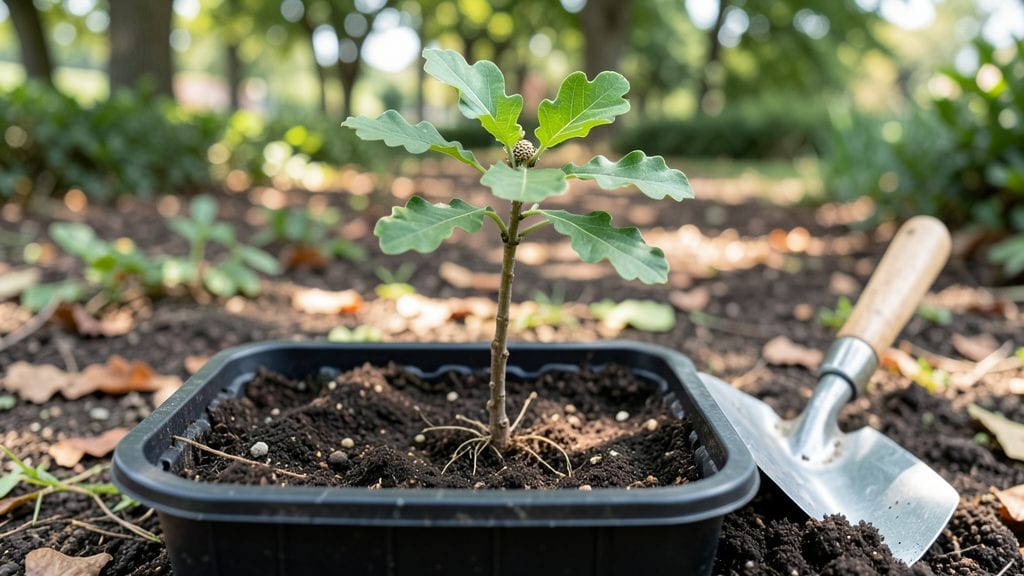
Planting an oak seed 🌳 is your ticket to a future shade giant—if you crack the germination code first, because these seeds are stubborn.
Most beginners give up after six months of waiting, only to learn the secret was a 60-day cold soak mimicking winter. That’s the trick that turns a 90% failure rate into a 90% success rate with the right steps.
Here’s how to skip the trial-and-error: from scarifying the seed coat to picking the perfect spring planting window in zone 6a, we’ll cover every detail that separates a sprouted seedling from a pile of acorns you’ll toss next fall.
Ready to start? You’ll need just 10 minutes of prep work, a few household supplies, and patience—because the real reward comes 20 years from now, when your 60-foot oak casts shade over your backyard.

Step-by-step oak seed germination process for maximum success
Oak seeds are notoriously difficult to germinate because they require 60-90 days of cold stratification to break dormancy. Without this process, most acorns will never sprout. The good news? You can simulate winter conditions at home with simple techniques that mimic nature’s timing.
Start by collecting fully mature acorns—they should be hard-shelled and brown—and prepare them for a two-phase germination process that combines scarification and cold treatment.
Scarification involves weakening the hard outer shell of the acorn to allow moisture and oxygen to penetrate. This step is crucial because oak shells are naturally thick to protect the seed from predators and harsh conditions. Once scarified, the acorns need a consistent 35-45°F temperature for the cold stratification phase.
This mimics the natural winter period oak seeds experience in the wild before spring germination. Let’s walk through the exact steps to maximize your success rate.
How to Plant an Oak Seed: Step-by-Step
- 1 Collect and Clean Acorns: Gather fully mature acorns from the ground in fall. Remove any damaged or worm-infested seeds. Rinse clean acorns with water and let them dry for 24 hours at room temperature.
- 2 Scarify the Seeds: Use a file, sandpaper, or knife to lightly scratch the hard shell of each acorn. Focus on the rounded end (not the pointed tip). This creates tiny openings for water to enter. Soak the acorns in lukewarm water for 24 hours to soften the shell further.
- 3 Cold Stratify for 60-90 Days: Place the scarified acorns in a sealed plastic bag with a moist paper towel. Store them in your refrigerator’s crisper drawer (or outdoors in a shady, insulated container if temperatures stay between 35-45°F). Check moisture weekly—acorns should feel damp but not soggy.
- 4 Prepare the Planting Medium: Fill small pots (or a seed tray) with a mix of 50% peat moss and 50% perlite or sand. This ensures good drainage while retaining moisture. Avoid compacted soil—oak seedlings hate waterlogged roots.
- 5 Plant at the Right Depth: Bury each acorn 1 inch deep, with the pointed end facing downward. Space them 2-3 inches apart in the container. Gently press the soil around them to ensure contact but avoid compaction.
- 6 Provide Warmth and Light: Move the planted acorns to a warm location (70-75°F) with bright, indirect light. A seedling heat mat can speed up germination if your home stays cool. Keep the soil consistently moist—not soggy—by misting lightly every 2-3 days.
- 7 Monitor for Sprouts: Germination can take 4-12 weeks after planting. Once sprouts appear, reduce watering slightly but keep the soil moist. Avoid overwatering—oak seedlings are sensitive to root rot.
- 8 Transplant Carefully: When seedlings reach 4-6 inches tall (usually after 6-12 monthsindividual pots or directly into the ground in spring. Choose a sunny, well-draining location with 6+ hours of sunlight daily.
Understanding why cold stratification is non-negotiable
Oak seeds are notoriously tricky to germinate, and even small mistakes can kill your chances of success. The most common errors revolve around moisture control, temperature fluctuations, and improper timing. Without the right conditions, your acorns may rot, dry out, or simply refuse to sprout—wasting months of effort. Many gardeners assume oak seeds will germinate quickly like annual flowers, but they require 60-90 days of cold stratification to break dormancy. Skipping this step or rushing the process is a surefire way to fail. Even after stratification, maintaining consistent humidity and stable temperatures between 60-75°F is critical during germination. ⚠️ Oak seeds must experience winter-like conditions to germinate. Without 60-90 days at 35-45°F, they’ll remain dormant. To replicate this: Pro Tip: Label your containers with the start date to track stratification time accurately.Critical mistakes that kill oak seed germination (and how to avoid them)
Another deadly mistake is overwatering or using poor-draining soil. Oak seeds need moist but not soggy conditions—excess water causes anaerobic conditions that suffocate the embryo. Use a well-aerated mix of 50% peat moss and 50% perlite to prevent compaction and improve oxygen flow to the roots.
Timing your planting is equally critical. Planting acorns in late fall (September-October) mimics natural conditions, but spring planting requires artificial stratification. Avoid planting in summer heat, as high temperatures (>85°F) can accelerate mold growth and kill seeds before germination.
Light exposure is often overlooked, but oak seeds need bright, indirect light during germination. Direct sunlight can overheat containers, while too little light weakens seedlings. Place your germination setup near a south-facing window or under grow lights (12-14 hours/day) to balance warmth and light.
Finally, patience is key. Oak seeds can take 4-12 weeks to germinate after stratification—don’t assume they’ve failed if nothing happens in 3 weeks. Mark your calendar and monitor for tiny root hairs emerging from the acorn’s base, your first sign of success.