
Pruning
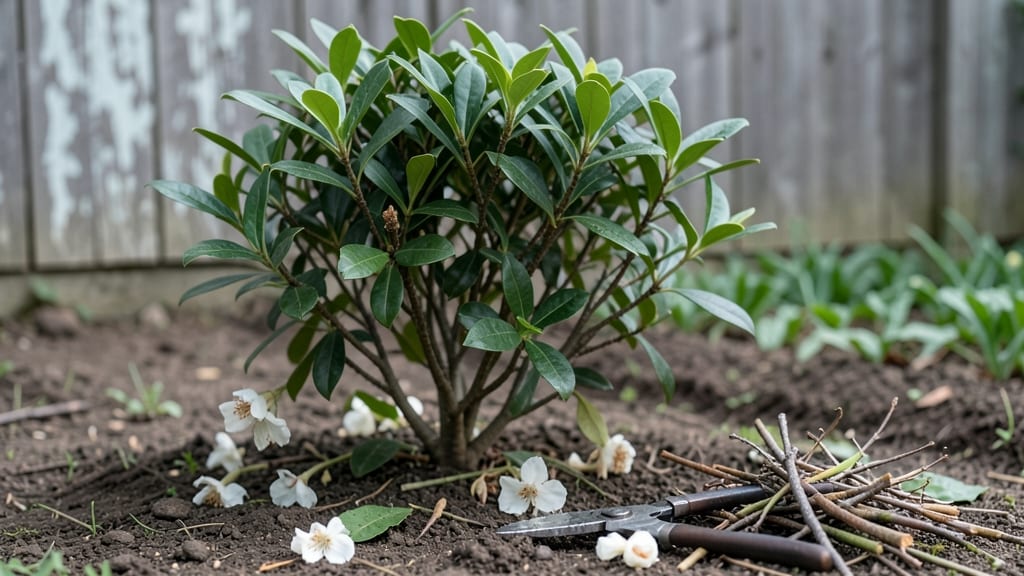
Pruning mock orange plants in late winter unlocks their secret to year-round blooms—and I’ve learned the hard way what happens when you skip it. ✨ The key isn’t just cutting branches; it’s understanding how this shrub stores energy and when to encourage new growth.
Most gardeners prune too late or too aggressively, which sends the plant into a summer slump. But with the right timing and technique, you’ll trigger a cascade of fragrant white blooms that last from spring through fall.
The tools you’ll need are simple: clean pruning shears, gloves, and a sharp saw for thicker stems. Start by removing any dead, crossing, or weak branches first—this opens up the center for airflow and sunlight. Then, cut back last year’s growth by about one-third to stimulate fresh, flowering stems.
Think of it like giving your plant a haircut: you’re shaping it for health, not just looks. Mock orange blooms on old wood, so avoid heavy pruning in autumn, or you’ll sacrifice next year’s flowers.
After pruning, your mock orange should look lighter and bushier within weeks. New shoots will appear along the stems, and by late spring, you’ll see clusters of those signature fragrant blooms. The scent alone—like a cross between orange blossoms and gardenia—makes the effort worth it.
Just avoid the temptation to prune in early spring when buds are forming; patience here ensures a fuller, longer bloom season.
This method works for all mock orange varieties, whether you’re dealing with a sprawling Philadelphus coronarius or a compact Philadelphus microphyllus. The same rules apply: prune in late winter, keep it open, and let the plant do the rest.
Once you master the timing, you’ll have a shrub that blooms reliably and smells incredible—no chemicals or guesswork required. Ready to transform your yard into a fragrant paradise?
📚 In This Guide
- What you need
- Instructions
- Tips and common mistakes
- Wrapping up and next steps
What you need
- ● Bypass pruners: Sharp, high-quality pruners (e.g., Felco or Fiskars) to make clean cuts on smaller stems (¼"–½" diameter). Quantity: 1 pair
- ● Loppers: For thicker branches (½"–1½" diameter). Look for bypass-style loppers with a 4–6" cutting blade. Quantity: 1 pair
- ● Hand saw: For stubborn, thicker branches (1½"+ diameter). A curved-tooth pruning saw minimizes tear-out. Quantity: 1
- ● Gloves: Heavy-duty gardening gloves (e.g., mechanics-style or cactus gloves) to protect against thorns and rough stems.
- ● Disinfectant: 70% isopropyl alcohol or a 10% bleach solution to sterilize tools between cuts and prevent disease spread.
- ● Rubbing alcohol or hand sanitizer: For cleaning hands after handling thorny stems.
- ● Bucket or trash bag: To collect pruned branches and debris.
- ● Hose or water source: For rinsing tools and cleaning up sap.
- ● Pruning sealant: (e.g., Tanglefoot Tree Wound Pruning Seal) to coat large cuts and reduce sap oozing or pest entry.
- ● Ladder or step stool: If your mock orange is taller than 6 feet.
- ● Marking spray or flags: To tag branches for removal (helpful for large-scale pruning).
- ● Safety glasses: To shield eyes from debris, especially when using a saw.
- ● Knee pads: For comfort if you’re working on the ground.
Step-by-step guide to pruning your mock orange plant
Mock orange thrives with the right cuts—here's how to keep it blooming beautifully year after year.
✂️ Step 1: Prune After Spring Blooming
Wait until 2-3 weeks after the spring flowers fade—this gives the plant time to store energy for next year. Start by removing any dead, damaged, or crossing branches with sharp pruning shears. I always cut just above a leaf node or outward-facing bud to encourage new growth in the right direction.
Look for branches that haven't bloomed well or appear weak. These are prime candidates for removal. Never cut more than one-third of the plant's total volume at once—mock orange responds poorly to heavy pruning. If you're unsure, play it safe and remove just the obvious problem branches.
✂️ Step 2: Thin Out Overcrowded Branches
During late summer or early fall, focus on thinning the plant's center. Remove branches that rub against each other or grow inward—these create weak spots and block airflow, which invites disease. I like to step back and visualize the plant's shape from all sides before making cuts.
Select branches to remove by their position, not just their size. You want an open, airy structure that lets sunlight reach all parts. Mock orange naturally grows in a rounded form, so aim to maintain that shape. If a branch is growing straight up, it might need to come out—vertical growth often leads to leggy, sparse blooms.
✂️ Step 3: Light Pruning for Shape and Health
Throughout the growing season, do light maintenance pruning to keep your mock orange looking its best. Trim back any suckers that appear at the base of the plant—these compete with the main structure for nutrients. I also remove any branches that have finished blooming in the current season, as they won't produce flowers again.
Use clean, sharp pruners to make cuts at a 45-degree angle just above a leaf node. This encourages the plant to direct energy into new growth rather than sealing off the wound. Avoid cutting into old wood—mock orange blooms on new growth, so you'll always want to prune back to younger, healthier stems.
⏰ Step 4: Winter Pruning for Next Year's Blooms
In late winter or early spring, just before new growth begins, give your mock orange a final light pruning. Remove any dead or diseased branches first—these are easy to spot against the bare winter wood. Then, look for branches that haven't produced flowers in the past year or two and cut them back to the base.
This is also a good time to adjust the plant's overall shape. Step back and decide if any branches need to be shortened to maintain the desired form. Mock orange responds well to this type of pruning, so you can be a bit more aggressive than in previous seasons. Just remember to leave plenty of branches to carry next year's blooms.
🌿 Step 5: Clean Up and Monitor Growth
After pruning, rake up and dispose of all clippings—never leave them on the ground, as they can harbor pests and diseases. I always give the plant a good watering after pruning to help it recover. Watch the plant closely over the next few weeks for new growth, which should appear within 2-4 weeks depending on your climate.
If you notice any signs of stress, like yellowing leaves or wilting, back off on pruning next time. Mock orange is a resilient plant, but it does have limits. With proper pruning, you'll enjoy fragrant blooms from early summer through fall. The key is consistency—prune at the right times and you'll keep your plant looking its best for years to come.
Tips & tricks for perfect mock orange pruning
These simple strategies will help you keep your mock orange thriving—and blooming—every season.
The Timing Factor: The 2-3 week waiting period after spring blooms is crucial. I learned this the hard way by pruning too early—it can stimulate a second bloom cycle that weakens the plant before winter. Mark your calendar after the last flowers fade to remember this important window.
Branch Selection Strategy: When thinning in late summer or early fall, focus on branches that cross or grow inward. These are the ones that create weak spots and block sunlight from reaching the center. I always step back and visualize the plant's shape from all sides—this helps me decide which branches to remove for that open, airy structure. Between us, this is where most people go wrong.
Cutting Technique: Making cuts at a 45-degree angle just above a leaf node is more important than you might think. This angle helps water run off the cut, preventing rot, while positioning the cut above a bud encourages new growth in the right direction. Don't just hack at branches—take your time to make clean, precise cuts with sharp pruners. This one small detail makes all the difference in your plant's recovery.
Seasonal Pruning Wisdom: Winter pruning is your chance to be slightly more aggressive, but remember to leave plenty of branches for next year's blooms. I always remove any branches that haven't produced flowers in the past two years first—these are the ones that won't contribute to your plant's future beauty. The key is balance: you want to shape the plant without sacrificing its flowering potential.
Pro Tips for Prune Mock Orange Plant
- These simple strategies will help you keep your mock orange thriving—and blooming—every season.
- The Timing Factor: The 2-3 week waiting period after spring blooms is crucial.
- Branch Selection Strategy: When thinning in late summer or early fall, focus on branches that cross or grow inward.
Frequently asked questions
Got questions about keeping your mock orange plant healthy and blooming? Here are some common ones—and their answers!
When is the best time to prune mock orange?
Prune your mock orange after it blooms in late spring or early summer. This encourages new growth and more flowers next season. Avoid heavy pruning in fall or winter, as it can stress the plant.
How much can I trim back my mock orange plant?
Light to moderate pruning (removing 1/3 of the plant) is ideal. Over-pruning can reduce flowering. Focus on shaping, removing dead wood, and thinning crowded branches. Never cut more than 20-30% of the plant in one session.
Will pruning stop my mock orange from blooming?
Not if done correctly! Prune after flowering to avoid cutting off next year’s blooms. Deadheading spent flowers also helps redirect energy to new growth. Just avoid heavy cuts in late summer or fall.
What should I do if my mock orange isn’t blooming after pruning?
Check for these issues:
- Not enough sunlight (mock orange thrives in full sun).
- Over-fertilizing (too much nitrogen = more leaves, fewer flowers).
- Pruning at the wrong time (cut back only after blooms fade).
- Underwatering or poor soil drainage.
Can I prune mock orange in winter?
Light shaping is fine in winter, but avoid heavy cuts. Mock orange is semi-evergreen in mild climates, and winter pruning can expose tender wood to cold damage. Stick to minimal trimming unless removing dead or diseased branches.
Wrapping up and next steps
Pruning your mock orange plant is all about timing, technique, and a little love—and now you’ve got the know-how to keep it thriving! 🌿 With the right tools, a sharp eye, and a gentle hand, you’ll encourage lush foliage, vibrant blooms, and a healthier plant year after year.
Remember, consistency is key, so schedule those seasonal checks like a pro.
Ready to take the next step? Grab your pruners, step outside, and give your mock orange the care it deserves! Your garden (and future blooms) will thank you.