
Companion Plants
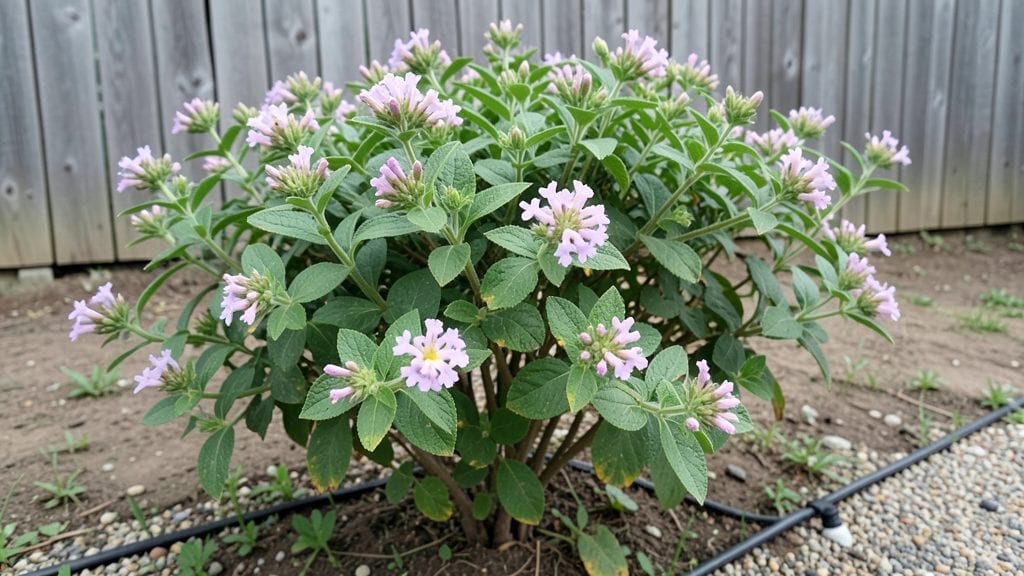
Growing plants in hot climates doesn't have to mean wilting disappointment—it's all about choosing the right drought-resistant thrivers that actually love the heat. 🌵 I've learned which plants stand up to 100-degree days with minimal fuss, turning my backyard into a lush oasis instead of a sun-scorched desert.
The secret isn't just picking the right species; it's about matching them to your soil, watering smarter, and giving them just enough shade to survive the peak afternoon sun.
Think beyond cacti—there are stunning succulents like 'Blue Chalksticks' that glow silver in the sun, fragrant herbs such as rosemary that thrive on neglect, and even edible gems like okra that produce pods all summer long.
Most of these plants need well-draining soil mixed with compost, and watering only when the top inch feels dry to the touch. Mulching with gravel or straw keeps roots cool and moisture locked in, cutting water use by nearly half.
With the right care, you'll end up with a garden that stays vibrant even when temperatures climb. The key is observing your plants—healthy ones will have firm stems, rich colors, and no crispy edges.
Once you master these basics, you can expand to more delicate heat-lovers like bougainvillea or citrus trees that reward patience with dramatic blooms or sweet fruit.
These strategies work for containers, raised beds, or in-ground planting—whether you're in the Southwest or a hot inland valley. The beauty is that once established, these plants need almost no maintenance beyond occasional pruning to keep them shaped and productive. Your garden can be both drought-proof and stunningly alive.
📚 In This Guide
- What you need
- Instructions
- Tips and common mistakes
- Wrapping up and next steps
What you need
- ● Drought-resistant plants: Choose from succulents (e.g., Agave, Aloe Vera), cacti (e.g., Barrel Cactus, Prickly Pear), or hardy perennials like Lantana, Bougainvillea. Quantity: 3–5 plants per section, depending on garden size.
- ● Well-draining soil: Mix cactus/succulent soil (50%) with perlite or coarse sand (30%) and compost (20%) for optimal aeration. Quantity: 1–2 cubic yards for a small garden; scale up as needed.
- ● Containers or garden beds: For potted plants: Terracotta or fabric pots (12–18 inches in diameter) with drainage holes. Quantity: 1 per plant.
- ○ For in-ground planting: Raised beds (optional but recommended for poor soil) or direct soil amendments.
- ● Mulch: Gravel, crushed rock, or organic mulch (e.g., straw or wood chips) to retain moisture and regulate temperature. Quantity: 2–3 inches thick, covering the entire planting area.
- ○ Watering can or drip irrigation system: A slow-drip system (optional but ideal) or a 5-gallon watering can with a long spout for precision.
- ● Pruning shears: Sharp, bypass-style shears for trimming dead growth or shaping plants.
- ● Garden gloves: Heavy-duty, heat-resistant gloves (e.g., leather or nitrile-coated) to protect hands from thorns or hot soil.
- ● Soil pH test kit: Ensures your soil is alkaline (6.0–7.5), ideal for most drought-resistant plants.
- ● Sun hat & sunscreen: Because hot climate gardening = sun protection!
- ● Automatic timer for irrigation: Saves water and time by scheduling deep but infrequent watering (e.g., 2–3 times per week).
- ● Compost tea or liquid fertilizer: Diluted fish emulsion or seaweed extract (1 tbsp per gallon of water) for a nutrient boost during dry spells.
Step-by-Step guide to establishing drought-resistant plants in hot climates
Here’s how to build a thriving garden that survives scorching afternoons and minimal watering.
🌱 Step 1: Select the Right Plants for Your Region
Start by choosing heat-tolerant varieties that naturally thrive in your specific hardiness zone. Succulents like agave and sedum are classic picks, but don’t overlook yucca or bougainvillea for bold color. I always check the USDA Plant Hardiness Zone Map to match plants with local conditions—this prevents costly mistakes.
Look for labels like "drought-tolerant" or "xeric" on plant tags. These plants store water in thick leaves or stems, so they’ll bounce back from dry spells. If you’re unsure, ask your local nursery for recommendations—they know which varieties handle your area’s heat best.
🪴 Step 2: Prepare Soil for Water Retention and Drainage
Hot climates demand well-draining soil to prevent root rot, but you still need moisture retention. Mix 3 parts native soil with 1 part compost and 1 part coarse sand or perlite to improve aeration. This blend lets excess water escape while holding onto enough moisture for roots.
Test your soil’s drainage by digging a hole, filling it with water, and timing how long it takes to drain. If water pools after 30 minutes, amend the soil further with sand or gravel. Mulch heavily with 2-3 inches of gravel or wood chips to reduce evaporation and keep roots cool.
☀️ Step 3: Plant at the Right Time and Depth
Timing matters—plant during early morning or late afternoon to avoid midday heat stress. Dig holes twice as wide as the root ball but only as deep as the container’s base. Press soil gently around roots to eliminate air pockets, but don’t compact it too tightly.
Space plants according to their mature size—crowding leads to competition for water. For example, rosemary bushes need 3 feet apart, while sedum ground covers can thrive 6 inches apart. Water deeply after planting to encourage root growth into the surrounding soil.
💧 Step 4: Water Deeply but Infrequently
Deep watering once a week (or less in extreme heat) trains roots to grow deeper in search of moisture. Use a soaker hose or drip irrigation to deliver water slowly at the base—this minimizes evaporation and keeps foliage dry, reducing fungal risks.
Check soil moisture by sticking your finger 2 inches deep. If it’s dry, water until moisture reaches 6 inches down. Avoid shallow watering, which only encourages surface roots that dry out quickly. Early morning is the best time to water—it gives plants a full day to absorb moisture before the heat peaks.
✂️ Step 5: Prune and Maintain for Long-Term Health
Prune leggy or overgrown branches in early spring to encourage bushier growth. Remove dead or damaged leaves immediately—they’re entry points for pests and disease. For succulents, avoid overwatering after pruning; let cuts dry for 24 hours before rewatering.
Monitor for signs of stress like yellowing leaves or wilting, but don’t rush to water. Some plants, like lavender, thrive on neglect and may drop leaves in extreme heat—this is normal. Focus on mulching annually to replenish organic matter and improve soil structure over time.
Tips & tricks for perfect drought-resistant plant gardens
A few simple strategies can make all the difference between plants that thrive and ones that struggle in hot climates.
Soil Testing Matters: That 30-minute drainage test in Step 2 is your best friend. If water pools after 30 minutes, you need to amend your soil further—don't just guess. I've seen gardens fail because people assumed their soil was fine when it wasn't draining properly. Use this test as your guide to creating the perfect moisture balance for your drought-resistant plants.
Planting Timing Secret: Early morning or late afternoon planting in Step 3 isn't just about avoiding heat stress—it's about giving your plants time to establish roots before the sun peaks. I've learned this the hard way after watching plants wilt when planted at midday. If you must plant during hot hours, shade the area with a tarp or cloth until the plants are settled in.
Watering Wisdom: The once-a-week watering in Step 4 works wonders, but timing is everything. Early morning watering gives plants a full day to absorb moisture before evaporation kicks in. I've noticed my drought-resistant plants handle heat much better when watered this way—it's like giving them a refreshing drink before their long, hot day.
Pruning Strategy: That 24-hour waiting period after pruning succulents in Step 5 is crucial. It allows cuts to dry and callus over, preventing rot from excess moisture. I used to rush and water right away, which led to several sad, mushy succulents. Now I mark my calendar and wait patiently—it's worth the extra day to keep my plants healthy.
Pro Tips for Hot Climate Plants
- A few simple strategies can make all the difference between plants that thrive and ones that struggle in hot climates.
- Soil Testing Matters: That 30-minute drainage test in Step 2 is your best friend.
- Planting Timing Secret: Early morning or late afternoon planting in Step 3 isn't just about avoiding heat stress—it's about giving your plants time to establish roots before the sun peaks.
Frequently asked questions
Got questions about thriving plants in scorching climates? You’re not alone! Here are answers to the most common queries about drought-resistant plants that love the heat—so you can garden with confidence, even when the sun is blazing.
What are the easiest drought-resistant plants for beginners?
Start with low-maintenance superstars like Lantana (vibrant blooms), Succulents (like sedum or aloe), or Russian Sage. These thrive with minimal water, full sun, and zero fuss. Bonus: They’re hard to kill, even if you forget to water them once!
How often should I water hot-climate plants?
Deep watering once a week (or every 10–14 days) is ideal for established plants. Newly planted drought-tolerant species need more frequent watering (every 2–3 days) until roots establish. Pro tip: Water early in the morning to reduce evaporation and fungal risks.
Can I grow vegetables in hot climates? What are the best options?
Opt for heat-loving veggies like Okra, Sweet Potatoes, Black-Eyed Peas, or Peppers. Avoid leafy greens (they wilt fast) and stick to varieties bred for high temps. Mulch heavily to retain moisture and protect roots.
Why are my drought-resistant plants wilting even though I water them?
Wilting can signal overwatering (root rot), underwatering, or heat stress. Check soil moisture 2–3 inches down—if it’s dry, water deeply. If soil is soggy, reduce frequency. Shade cloth during peak sun (11 AM–3 PM) can also help.
Are there any drought-resistant plants that also attract pollinators?
Yes! Plant Desert Marigold, Blanket Flower, or Milkweed to lure bees, butterflies, and hummingbirds. These beauties handle heat, drought, and double as eco-friendly magnets for wildlife—win-win!
Wrapping up and next steps
Transforming your sunny garden into a vibrant, drought-resistant oasis is easier than you think! 🌵 With the right hot climate plants, you can create a low-maintenance paradise that thrives under the blazing sun.
From succulents to hardy herbs, these plants not only survive but flourish with minimal water—proving that beauty and resilience go hand in hand.
Ready to take the next step? Start small—pick one or two plants from this guide, plant them in well-draining soil, and watch your garden bloom with confidence. Happy gardening! 🌞