
Companion Plants
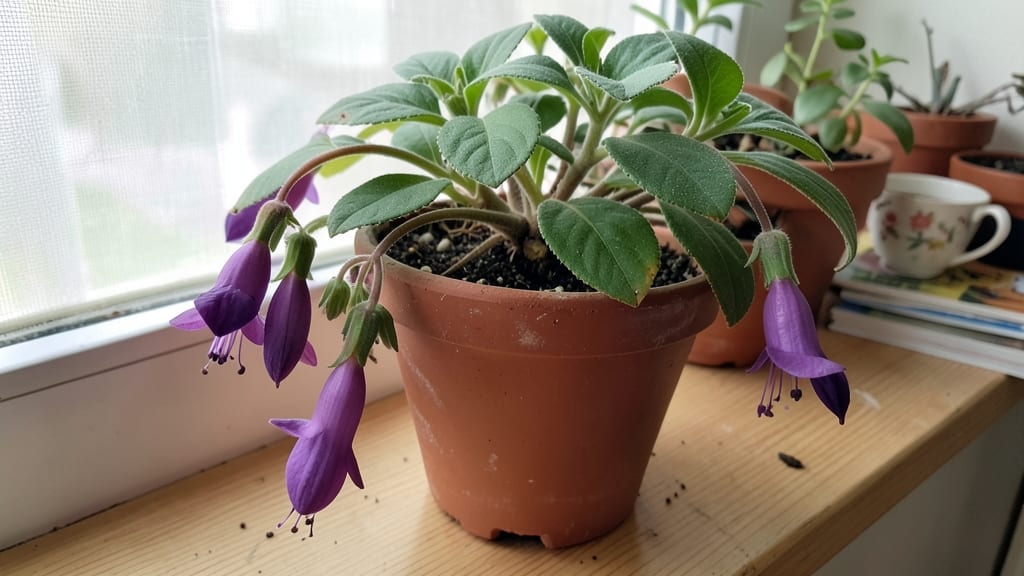
My hanging purple plants transformed my patio into a buzzing, jewel-toned oasis that hums with bees and butterflies all summer long. 🌿 These vertical beauties aren't just pretty—they're functional, too, turning dead space into a thriving ecosystem.
The key is choosing the right mix of trailing purple varieties like fuchsias, petunias, or ivy that spill over edges in cascading waves of color.
Start with lightweight containers that won't break under the weight of blooms, and place them where they'll get at least 6 hours of sunlight daily. Most purple hanging plants thrive in well-draining potting mix, and a self-watering planter keeps them from drying out too quickly during heatwaves.
I pair mine with a drip irrigation system to save time and ensure consistent moisture—those deep purple blooms stay vibrant when they're not stressed.
By midsummer, your setup will be a magnet for pollinators, with bees darting between clusters of lavender-blue flowers and butterflies sipping nectar from the edges. The plants themselves stay lush and productive when you prune them back every 4-6 weeks, encouraging bushier growth and more blooms.
Plus, the vertical display creates a stunning focal point that works in cottage gardens, modern balconies, or tropical-inspired spaces alike.
For cooler months, bring tender varieties indoors near a sunny window or swap them out for cold-hardy purple options like heuchera or lobelia. The secret to keeping them thriving year-round is adjusting watering and light as seasons shift—something I learned after my first winter kill.
With the right care, your hanging purple display will keep giving back long after planting day.
📚 In This Guide
- What you need
- Instructions
- Tips and common mistakes
- Wrapping up and next steps
What you need
- ● Hanging planters: 1-3 containers (8–12 inches in diameter) with drainage holes. Terracotta or fabric pots work best!
- ● Purple plants: Seedlings or cuttings of: Fuchsias (e.g., Fuchsia ‘Giant Marble’)
- ● Lobelias (e.g., Lobelia erinus ‘Crystal Palace’)
- ● Petunias (e.g., Petunia ‘Supertunia Vista Purple’)
- ● High-quality potting mix: 1 bag (1–2 cubic feet) of well-draining, peat-based or coco coir mix (add perlite for extra aeration).
- ● Slow-release fertilizer: 1 packet (10–20 lb) of balanced 10-10-10 or tomato/vegetable blend.
- ● Watering can or spray bottle: 1 with a gentle rose nozzle for hydration.
- ● Pruning shears: 1 pair for trimming leggy growth.
- ○ Gloves: 1 pair (optional, for handling prickly stems).
- ○ Stakes or trellis (optional): For trailing varieties like nasturtiums or ipomoea.
- ○ Mulch (optional): Shredded bark or purple-tinted mulch for aesthetic flair.
How to create a stunning hanging purple plant display
Transform any space with cascading purple blooms that attract pollinators while adding vertical drama.
🪴 Step 1: Select the Right Containers and Hanging Hardware
Choose 10-12 inch diameter hanging baskets with sturdy drainage—plastic or woven styles both work, but I prefer lightweight plastic for easy watering. The baskets must have pre-drilled holes at the bottom or you'll risk root rot from water pooling. For each basket, attach a 12-inch galvanized metal chain to a ceiling hook or sturdy overhead beam using a S-hook.
Position hooks 3-4 feet above ground level so plants cascade beautifully without touching the ground. Test the weight by hanging an empty basket—it should feel secure but not strain the hook. I like to use multiple baskets in staggered heights to create a layered effect, with the largest baskets at the back and smaller ones in front.
🌱 Step 2: Prepare the Growing Medium and Plant Supplies
Fill each basket with a mix of 2 parts peat moss, 1 part perlite, and 1 part coconut coir—this lightweight blend prevents compaction while retaining moisture. Moisten the mix until it feels like a wrung-out sponge, then add a slow-release fertilizer pellet designed for hanging baskets to each basket. This ensures nutrients are available throughout the growing season.
For your purple display, select plants like purple fountain grass, helichrysum petiolare, or lobelia—all thrive in hanging positions. I like to plant 3-5 plants per basket, arranging them so the largest or most vigorous growers face outward. Use your fingers to create small holes in the soil, then gently place each plant at the correct depth, firming soil around the roots to eliminate air pockets.
☀️ Step 3: Position for Optimal Light and Watering
Hang your baskets in a location receiving 4-6 hours of direct sunlight daily, though some purple varieties like helichrysum petiolare tolerate partial shade. Morning sun is ideal—it prevents scorching while allowing plants to dry slightly during the day. If you notice leaves turning pale or growing leggy, move the baskets to a brighter spot immediately.
Water thoroughly every other day until water runs freely from the drainage holes, then allow the top inch of soil to dry before watering again. I use a watering wand with a gentle spray to avoid disturbing the soil surface. During hot spells, you may need to water daily—check by lifting the basket to assess weight. A lightweight basket signals it's time to water, while a heavy one means you can wait.
✂️ Step 4: Maintain and Encourage Fullness
Pinch back leggy stems by one-third when they reach 6 inches long to encourage bushier growth. This simple pruning trick prevents plants from looking sparse and promotes more vibrant purple foliage. Deadhead spent blooms regularly to redirect energy into new growth—just snip off faded flowers with clean scissors, leaving a small portion of stem.
Feed your plants monthly with a balanced liquid fertilizer diluted to half-strength during the growing season. Purple plants often appreciate a touch of iron if leaves lose their deep color, so I add a chelated iron supplement every 6 weeks as a preventative measure. Watch for aphids on new growth—spray with soapy water at the first sign of sticky residue to keep your display looking pristine.
🌿 Step 5: Seasonal Care for Year-Round Beauty
In fall, move baskets to a sheltered location if temperatures drop below 40°F—most purple plants are tender perennials. Reduce watering gradually as growth slows, but keep soil lightly moist to prevent dormancy-related stress. In late winter, trim back any dead growth and repot if roots have filled the basket, using fresh growing medium.
For a continuous display, stagger your plantings so you always have blooms at different stages. Replace annuals like lobelia with cold-hardy varieties in fall, such as purple dusty miller, which thrives in cooler weather. With proper care, your hanging purple display will remain vibrant and pollinator-friendly for years, adding vertical interest to any outdoor space.
Tips & tricks for perfect hanging purple plant displays
Creating a stunning hanging purple plant display isn't just about aesthetics—it's about understanding how these vibrant plants thrive in vertical spaces. Here are the key insights that'll make your display flourish.
Container Selection Matters: In Step 1, when choosing your 10-12 inch diameter baskets, prioritize lightweight materials like plastic—they're easier to water and won't strain your hanging hardware. The 12-inch galvanized metal chains are crucial for weight distribution, especially when baskets become heavy with water. I've found that adding a second S-hook at the base of each basket creates extra stability for larger displays, preventing any unwanted swaying that could damage delicate stems.
Soil Mix Secrets: The 2:1:1 ratio of peat moss, perlite, and coconut coir in Step 2 is perfect for preventing compaction while retaining moisture, but here's what nobody tells you—pre-moisten your mix until it's like a wrung-out sponge before adding plants. This ensures even hydration right from planting. For extra insurance against root rot, I like to add a handful of orchid bark to each basket, which improves aeration without altering the moisture balance.
Lighting Strategy: The 4-6 hours of direct sunlight in Step 3 is ideal, but morning sun is truly your best friend. It gives plants enough light to photosynthesize while allowing them to dry slightly during the day, preventing fungal issues. I've noticed that east-facing locations often provide the perfect balance—enough light without the harsh afternoon sun that can scorch tender purple foliage. For varieties like helichrysum petiolare that tolerate partial shade, watch for leaves losing their vibrant purple hue as your first sign they need more light.
Watering Wisdom: The "every other day" guideline in Step 3 works beautifully, but here's my pro tip: always water until you see water running freely from the drainage holes—this ensures the entire root ball gets hydrated. I've found that using a watering wand with a gentle spray prevents soil compaction and helps distribute water evenly. For hot spells, I increase to daily watering but check the basket weight first—a lightweight basket is your signal to water, while a heavy one means you can wait.
Pro Tips for Hanging Purple Plants
- Creating a stunning hanging purple plant display isn't just about aesthetics—it's about understanding how these vibrant plants thrive in vertical spaces.
- Container Selection Matters: In Step 1, when choosing your 10-12 inch diameter baskets, prioritize lightweight materials like plastic—they're easier to water and won't strain your hanging hardware.
- This ensures even hydration right from planting.
Frequently asked questions
Got questions about growing hanging purple plants? You’re not alone! Here are some of the most common queries—and their answers—to help you create a stunning, pollinator-friendly display with ease.
What are the best hanging purple plants for beginners?
Start with low-maintenance favorites like Fuchsia (trailing varieties), Lobelia, or Petunia. These thrive in hanging baskets, offer vibrant purple blooms, and attract bees and butterflies. For extra resilience, try Calibrachoa—it’s drought-tolerant and bursts with color!
How long does it take for hanging purple plants to flower?
Most hanging purple plants bloom within 6–10 weeks after planting, provided they get 6+ hours of sunlight daily and consistent watering. Pinch back leggy stems early to encourage bushier growth and faster flowering. Patience pays off—your baskets will be a buzzing purple paradise in no time!
Why are my hanging purple plants wilting or drooping?
Wilting often signals underwatering or root-bound stress. Check soil moisture (top inch should feel dry), and ensure proper drainage. If roots are circling the pot, repot into a slightly larger container with fresh potting mix. Overwatering can also cause issues—let excess water drain completely!
Can I grow hanging purple plants in partial shade?
Yes! While most thrive in full sun (6+ hours), some like Lobelia or Begonia tolerate partial shade (4–6 hours). Just expect fewer blooms and leggier growth. For shade gardens, opt for Impatiens or Coleus (purple varieties) and keep soil consistently moist.
What’s a great alternative if my purple plants don’t thrive?
Try Nasturtiums (edible, trailing, and pest-repellent) or Sweet Potato Vine (purple varieties like ‘Margarita’). For year-round color, swap annuals with Heuchera (purple leaves) or Hoya (trailing, low-light tolerant). Mix textures and colors to keep your hanging garden dynamic!
Do hanging purple plants attract pollinators?
Purple blooms like Salvia, Lantana, or Cleome are bee and butterfly magnets. Plant near other pollinator-friendly species (e.g., Milkweed or Coneflower) to create a thriving ecosystem. Just avoid pesticides—let the buzzing begin!
Wrapping up and next steps
Transforming your garden into a pollinator paradise with hanging purple plants is easier—and more rewarding—than you think! 🌸 From fuchsias to lobelias, these vibrant beauties not only add color but also support bees, butterflies, and hummingbirds.
Whether you’re a beginner or a seasoned gardener, the key is to start small, choose wisely, and enjoy the process.
Ready to take the next step? Pick one or two purple varieties this week, gather your supplies, and let nature do the rest. Your garden—and the pollinators—will thank you! 🐝✨