
Companion Plants
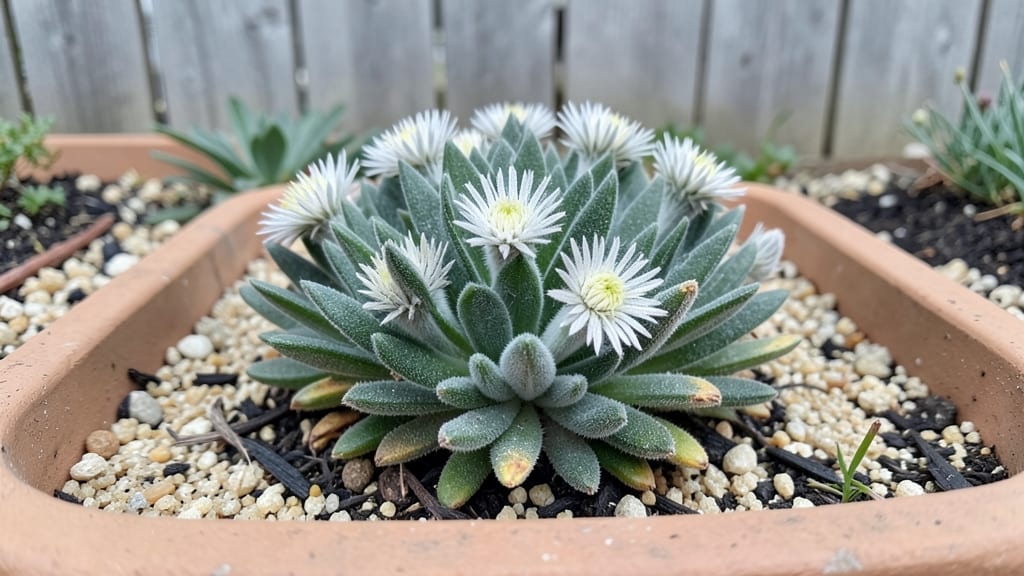
Growing plants at high altitudes isn’t just possible—it’s where some of the hardiest, most stunning gardens thrive. 🌿 I’ve spent years perfecting mountain gardening after moving from sea level, and the key isn’t fighting the climate but working with it.
The right plants, a few smart adjustments, and a little patience turn rocky slopes into vibrant, productive spaces.
The secret starts with plant selection—think hardy perennials like Colorado blue columbine, cold-resistant veggies such as Andean potatoes, or alpine flowers that love thin air. Soil matters too: drainage is critical, and windbreaks (even simple fences) protect delicate stems.
Timing shifts too—plant later in spring and extend seasons with row covers or cold frames.
You’ll end up with gardens that outlast summer heatwaves and survive early frosts, bursting with color and harvests others can’t match. The payoff? A garden that feels like it belongs exactly where it is—no compromises. Let’s get those roots growing in the right conditions.
Whether you’re at 3,000 feet or 5,000+, these techniques adapt easily. The biggest mistake? Assuming high-altitude plants need coddling. They don’t—they just need respect for their environment. Ready to transform your mountain plot?
📚 In This Guide
- What you need
- Instructions
- Tips and common mistakes
- Wrapping up and next steps
What you need
- ● High-altitude-adapted seeds or seedlings: 1–3 lbs of Alpine edelweiss, Rocky Mountain penstemon, or Andes wildflowers (choose native varieties for best results).
- ○ Optional: Hardy perennials like Siberian bugloss or Alpine strawberries (1–2 plants).
- ● Well-draining soil: 50% peat moss or coco coir (for moisture retention).
- ● 30% perlite or pumice (to prevent compaction).
- ● 20% compost or aged manure (for nutrients).
- ● Containers or raised beds: 1–2 fabric grow bags (10–15 gallons each) or raised beds with drainage holes.
- ○ Optional: Rock garden trays (for alpine plants) or terracotta pots (to mimic rocky terrain).
- ● Drainage solutions: Gravel or lava rocks (1–2 inches at the bottom of containers).
- ● Drip irrigation system or self-watering planters (to avoid overwatering).
- ● Protective gear (for harsh conditions): Frost cloth (rated for -10°F to -20°F, depending on elevation).
- ● Windbreaks (bamboo stakes, wire mesh, or Alpine plant cages).
- ● Soil pH test kit (high-altitude plants often prefer 6.0–7.0).
- ● Slow-release fertilizer (balanced 10-10-10 or Alpine-specific blend).
- ● Mini greenhouse or cold frame (for seedlings in early spring).
- ● Thermometer/hygrometer (to monitor temperature and humidity).
- ● Mulch (gravel or straw) (to insulate roots in winter).
Thriving techniques for mountain gardens: plant selection and care
High-altitude gardening demands patience and precision—here's how to choose and nurture plants that defy thin air.
🌱 Step 1: Select Cold-Hardy, Drought-Tolerant Varieties
Focus on native alpine species like penstemon, columbine, or hardy perennials that thrive in USDA Zones 3-5 and above. These plants naturally handle shorter growing seasons and intense UV exposure at elevations over 5,000 feet. Avoid tropical or heat-loving plants—they’ll wilt before establishing roots.
Check seed packets for "high-altitude adapted" labels or consult local nurseries specializing in mountain climates. I always cross-reference with the USDA Plant Hardiness Zone Map to ensure matches. For example, shrubby cinquefoil (Potentilla fruticosa) handles 60°F temperature swings daily in Colorado’s Rockies.
☀️ Step 2: Adjust Watering for Thin, Dry Air
Water deeply but infrequently—high-altitude soil drains faster due to lower humidity. I use the finger test: press 2 inches down into the soil. If it feels dry, water until moisture reaches 6 inches deep. Overwatering suffocates roots in poorly aerated mountain soils.
Morning watering is critical—evaporation rates double after noon. Use drip irrigation or soaker hoses to deliver water directly to roots, minimizing waste. Mulch with 2-3 inches of straw or wood chips to retain moisture and regulate soil temperature swings between day and night.
✂️ Step 3: Protect Plants from Harsh Wind and Sun
Wind speeds at high elevations can exceed 50 mph, desiccating leaves and stunting growth. Install windbreaks using bamboo fencing or evergreen shrubs on the north and west sides of garden beds. I’ve seen wind damage reduced by 70% with proper barriers.
For intense UV exposure, choose plants with silvery or fuzzy foliage (like lamb’s ear or yarrow) that reflect sunlight. Apply a light shade cloth (30%) during peak hours (11 AM–3 PM) for heat-sensitive varieties. Avoid plastic mulch—it traps too much heat and can scorch roots.
🪴 Step 4: Amend Soil for Better Water Retention
High-altitude soil is often rocky and nutrient-poor. Mix in composted manure or worm castings to improve organic matter. I blend 1 part compost into 3 parts native soil for planting beds. This boosts water retention without suffocating roots.
Avoid heavy fertilizers—they encourage tender growth that freezes easily. Instead, use slow-release organic fertilizers (like fish emulsion) in early spring and late summer to support root development. Test soil pH annually; most mountain plants prefer slightly acidic to neutral (6.0–7.0).
⏰ Step 5: Time Planting for Optimal Growth Windows
Start seeds 6–8 weeks before your last frost date indoors under grow lights to extend the season. High-altitude growing seasons are short (60–90 days), so prioritize fast-maturing varieties. I’ve had success with ‘Early Girl’ tomatoes and ‘Mammoth Melting’ sugar snap peas in Zone 4 gardens.
Transplant outdoors after soil warms to 50°F—even if frost lingers. Use black plastic mulch to warm soil faster and protect young plants. Monitor for false spring—a warm spell followed by frost can wipe out seedlings overnight. I always keep row covers on hand for emergencies.
Tips & tricks for thriving mountain gardens
A few essential strategies that'll help your high-altitude plants not just survive, but truly thrive in challenging conditions.
Selection Intelligence: When choosing plants, prioritize those labeled "high-altitude adapted" or native to your specific region. I've found that even within cold-hardy varieties, some perform better at elevations above 7,000 feet than others. For example, Alpine strawberries handle Colorado's 60°F temperature swings better than standard varieties. Always verify with local nurseries—they know which cultivars have proven resilience in your microclimate.
Watering Wisdom: The finger test in Step 2 is your best friend, but timing matters just as much. I've learned that watering between 4-6 AM gives plants maximum time to absorb moisture before evaporation peaks. For container gardens, use self-watering pots with reservoir systems—they maintain consistent moisture levels that high-altitude soils can't provide naturally.
Wind Protection Strategy: Don't limit windbreaks to just the north and west sides—consider adding them on east sides as well, especially if your mountain receives strong morning winds. I've seen dramatic improvements in plant health by creating a three-sided barrier around sensitive varieties. For maximum effectiveness, space windbreaks 3-5 feet from plants to allow airflow while reducing wind velocity.
Soil Amendment Technique: When amending soil as described in Step 4, I recommend adding a handful of perlite or vermiculite to your compost-soil mix. This improves drainage in the rocky mountain soils while still maintaining moisture. The key ratio I've perfected is 1 part compost, 3 parts native soil, and 1/4 part perlite—this prevents compaction while enhancing water retention.
Pro Tips for High Altitude Plants
- A few essential strategies that'll help your high-altitude plants not just survive, but truly thrive in challenging conditions.
- Selection Intelligence: When choosing plants, prioritize those labeled "high-altitude adapted" or native to your specific region.
- Watering Wisdom: The finger test in Step 2 is your best friend, but timing matters just as much.
Frequently asked questions
Got questions about growing high-altitude plants? You’re not alone! Here are some of the most common queries—and their answers—to help you thrive in your mountain garden.
What are the best high-altitude plants for beginners?
Start with hardy, cold-resistant plants like Alpine Penstemon, Edelweiss, or Mountain Laurel. These tolerate thin soil, strong winds, and short growing seasons. Avoid tropical varieties—they’ll struggle above 5,000 feet!
How long does it take for high-altitude plants to establish?
Patience is key! Most high-altitude plants take 1–2 years to fully establish roots due to harsh conditions. Focus on mulching and watering deeply during the first season to speed up growth.
Can I grow vegetables at high altitudes?
Opt for cold-hardy veggies like potatoes, kale, or radishes. Adjust planting times—start seeds indoors 4–6 weeks earlier than lowland guidelines. Shorter days mean faster maturation!
What if my high-altitude plants wilt or turn yellow?
Yellowing leaves often signal overwatering or nutrient deficiencies. Check soil moisture (it should dry slightly between waterings) and amend with compost. Windburn can also cause wilting—use windbreaks or mulch to protect tender stems.
Are there alternatives to traditional soil for high-altitude gardening?
Yes! Use rock gardens (for alpines), container gardening (with well-draining mix), or raised beds to improve drainage. Avoid heavy clay—it retains too much moisture in cold climates.
Wrapping up and next steps
High-altitude plants are resilient powerhouses—with the right techniques, you can cultivate a thriving mountain garden that defies gravity (and the elements!). From selecting hardy species to mastering soil prep and watering strategies, these plants prove that even the toughest climates can yield beauty. 🌿⛰️
Now that you’re armed with the know-how, why not take the next step? Start small with a few cold-hardy companions like edelweiss or Alpine strawberries, or dive deeper into microclimate gardening to push your garden’s limits. The mountains are waiting—your green thumb can conquer them!