
Companion Plants
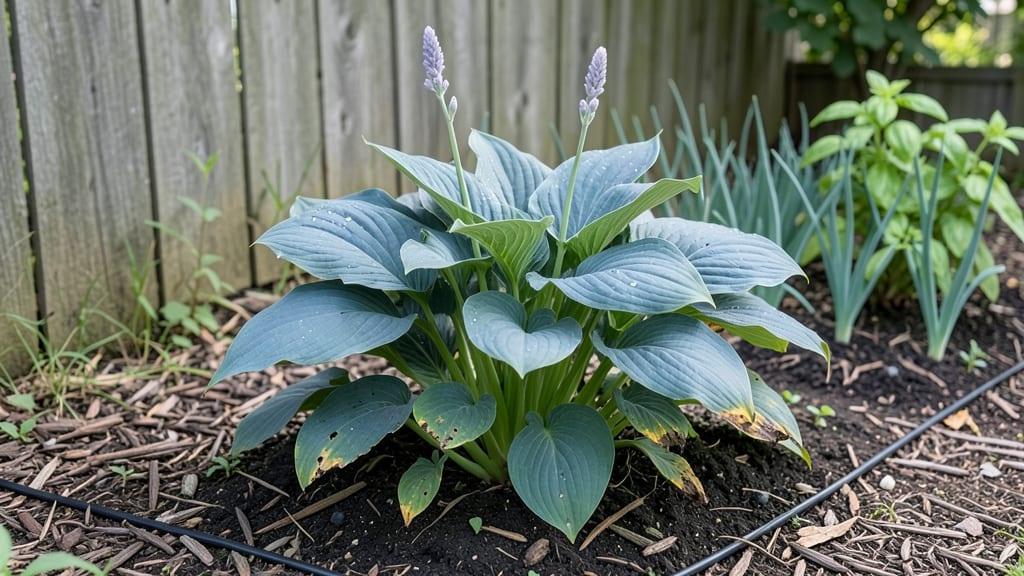
Shaded garden plants turn forgotten corners into lush, vibrant spaces where sunlight barely reaches. 🌿 I used to think my shady yard was a lost cause—until I discovered the right plants that thrive where others wilt.
The secret lies in choosing foliage that loves dappled light or deep shade, from velvety hostas to delicate ferns.
You don’t need fancy setups—just a few well-chosen varieties can transform bare spots into textured, layered gardens. Hostas bring bold leaves, impatiens add pops of color, and astilbes create feathery plumes. Even in the dimmest corners, these plants grow lush and healthy with minimal fuss.
Imagine a garden where every plant feels at home—deep green ferns framing hostas, their leaves like nature’s own artwork. The right combinations create depth, movement, and year-round interest, even when sunlight is scarce. You’ll end up with a space that feels alive, no matter the light.
Works for any shady spot—under trees, along north-facing walls, or in dense woodland gardens. Let’s bring your low-light spaces to life with plants that actually love the shade.
📚 In This Guide
- What you need
- Instructions
- Tips and common mistakes
- Wrapping up and next steps
What you need
- ● Shade-tolerant plants: 5–10 varieties (e.g., hostas, ferns, impatiens, heucheras, or astilbes). Check their mature size to plan spacing!
- ● Quality potting soil or garden soil: 1–2 cubic yards (amend with compost for better drainage).
- ● Mulch: 2–3 inches of organic mulch (e.g., shredded bark or wood chips) to retain moisture and suppress weeds.
- ● Garden gloves: 1 pair (to protect your hands from thorns or rough foliage).
- ● Hand trowel or transplant spade: 1–2 (for digging small to medium holes).
- ● Watering can or hose with a gentle spray nozzle: 1 (for delicate watering, especially for seedlings).
- ● Pruning shears: 1 (for trimming overgrowth or shaping plants).
- ● Measuring tape or ruler: 1 (to ensure proper plant spacing).
- ● Slow-release fertilizer: 1–2 bags (for a nutrient boost, especially for nutrient-hungry plants like hostas).
- ● Shade cloth: 1–2 rolls (if your garden has partial shade and needs extra light filtering).
- ● Garden stakes or labels: 10–20 (to mark plant locations and care notes).
- ● Drip irrigation system: 1 (for consistent moisture in dry spells).
- ● Decorative rocks or pebbles: 1–2 bags (for a polished, low-maintenance look around plants).
Step-by-step guide to cultivating a thriving shaded garden
Here's how to transform dim corners into lush, vibrant spaces—no sun required.
🌱 Step 1: Select the Right Plants for Your Light Conditions
Start by assessing your shade levels—dappled light, partial shade, or deep shade all demand different plant choices. For dappled light (filtered sun), try hostas, ferns, and astilbes—they tolerate some sun but thrive in cooler, shaded spots. In partial shade (3-6 hours of sun), heucheras, hydrangeas, and impatiens shine with bold colors. For deep shade (less than 3 hours of light), Japanese painted ferns, lungwort, and caladiums will reward you with lush foliage.
I always check the mature size of plants to avoid overcrowding. A single hosta plant can spread 2-3 feet wide over time, so space them 18-24 inches apart to prevent competition. If your space is tight, opt for smaller varieties like 'Blue Mouse' ears' hosta or 'Miniature' ferns—they pack big personality into compact forms.
🪴 Step 2: Prepare the Soil for Moisture-Retentive Growth
Shade-loving plants hate soggy soil, but they also despise dry conditions. Amend your existing soil with 3-4 inches of organic compost to improve drainage while retaining moisture. I mix in a handful of perlite per square foot to prevent compaction—this is especially critical in deep shade, where soil stays damp longer. Test your soil’s moisture by squeezing a handful; it should hold together but not drip water.
For container gardening, use a well-draining potting mix blended with 20% coconut coir or peat moss to boost water retention. Containers dry out faster than in-ground beds, so I add a slow-release fertilizer at planting time to give roots a steady nutrient supply. Avoid heavy garden soil—it compacts easily and suffocates roots in low-light conditions.
☀️ Step 3: Plant with Layered Depth for Visual Impact
Create a dynamic look by layering plants from tall to short. Start with 3-foot-tall hydrangeas or astilbes at the back, then add medium-height heucheras or ferns in the middle, and fill the front with low-growing ajugas or sweet woodruff. This arrangement mimics natural forest understory layers and maximizes your space’s potential.
Dig holes twice as wide as the root ball but only as deep as the container’s height. Gently loosen roots if they’re circling the pot—this encourages outward growth into the surrounding soil. Water deeply after planting to eliminate air pockets and settle the soil around roots. You’ll know you’ve done it right when the soil surface looks slightly firm but not crusty.
💧 Step 4: Water Strategically to Avoid Root Rot
Shade gardens stay moist longer, so water deeply every 5-7 days instead of frequent light waterings. Aim for 1 inch of water per week, delivered slowly at the base of plants to avoid wetting foliage—this prevents fungal diseases like powdery mildew. I use a soaker hose for in-ground beds to deliver water directly to roots without disturbing the soil surface.
Check moisture by sticking your finger 2 inches into the soil. If it feels dry, it’s time to water; if it’s damp, wait another day. Mulch with 2-3 inches of shredded bark or wood chips to slow evaporation and keep roots cool. Avoid piling mulch against stems—leave a 1-inch gap to prevent rot.
✂️ Step 5: Maintain with Minimal Pruning and Seasonal Care
Most shade plants need little pruning, but deadhead spent blooms on impatiens and hydrangeas to encourage more flowers. Cut back last year’s foliage in early spring for ferns and hostas—this makes room for fresh growth and prevents disease buildup. I prune heucheras in late winter if leaves look ragged, but otherwise, they’re low-maintenance stars.
Fertilize lightly in early spring with a balanced, slow-release fertilizer (10-10-10). Over-fertilizing shade plants leads to leggy growth and weak stems. In fall, add a layer of compost to replenish nutrients lost during the growing season. Watch for yellowing leaves—this often signals overwatering or poor drainage, not a need for more fertilizer.
Tips & tricks for perfect shaded garden planting
Transforming dim spaces into lush gardens takes more than just picking the right plants—it's about the details that make all the difference. Here's what I've learned from years of trial and error in my own shaded garden.
Light Assessment is Key: Don't just guess at your shade levels—actually observe your space throughout the day. What looks like deep shade at 10am might get 3-6 hours of filtered light by afternoon. I test by placing a white plate where I want to plant and checking it every few hours. This helps me match plants to their perfect light conditions, whether it's dappled light for hostas or deep shade for lungwort.
Soil Prep Makes the Difference: The 3-4 inches of compost I mentioned isn't just about nutrients—it's about creating the perfect moisture balance. I always mix in perlite because shade soil tends to stay damp longer, and without good drainage, roots can suffocate. For containers, that 20% coconut coir is non-negotiable—it's the secret to keeping roots happy without waterlogging. Trust me on this.
Layering Creates Magic: When planting that 3-foot-tall hydrangea at the back, don't just drop it in and walk away. I like to create a "visual staircase" by planting medium-height heucheras about 18 inches behind the front layer of sweet woodruff. This 3D approach makes even small spaces feel dramatic. The key is to space plants twice as wide as their root ball—this prevents competition and gives each plant room to thrive.
Watering Wisdom Saves Plants: That 1-inch-per-week watering guideline might seem straightforward, but timing matters just as much. I water in the morning so foliage has all day to dry, which prevents fungal diseases like powdery mildew. And when you check that 2-inch soil depth, if it's damp but not soggy, that's perfect—shade plants hate both drought and waterlogged roots. A soaker hose is your best friend here.
Pro Tips for Shaded Garden Plants
- Transforming dim spaces into lush gardens takes more than just picking the right plants—it's about the details that make all the difference.
- Light Assessment is Key: Don't just guess at your shade levels—actually observe your space throughout the day.
- Soil Prep Makes the Difference: The 3-4 inches of compost I mentioned isn't just about nutrients—it's about creating the perfect moisture balance.
Frequently asked questions
Got questions about keeping your shaded garden lush and vibrant?
Here are answers to the most common ones—so you can grow with confidence!
What are the best fast-growing shaded plants for quick results?
If you’re eager to see greenery fast, opt for hostas, astilbes, or ferns. These thrive in low light and fill gaps quickly. For ground cover, sweet woodruff or wild ginger spread rapidly while adding texture. Just ensure your soil stays moist—they’ll reward you with speedy growth!
How long does it take for shaded plants to establish?
Most shaded perennials take 1–2 seasons to fully establish, while annuals (like impatiens) show results in weeks. Patience is key! Mulch lightly to retain moisture and reduce stress. Pro tip: Divide clumps every 3–4 years to rejuvenate mature plants and speed up regrowth.
Can shaded plants handle too much moisture or dry spells?
Many shade-lovers (like heucheras or tiarella) tolerate damp soil, but drainage is critical—waterlogged roots cause rot. For dry spells, group plants with similar needs (e.g., foamflower or lungwort) and mulch with organic matter to retain moisture. Warning: Avoid soggy soil in winter to prevent fungal issues.
What’s the easiest way to transition a sunny garden to shade?
Start by gradually replacing sun-loving plants (like lavender) with shade-tolerant swaps: coleus for color, caladiums for drama, or Japanese painted ferns for texture. Amend soil with compost to improve fertility, and monitor light shifts—dappled shade (6+ hours) is gentler than deep shade (<4 hours).
How do I keep pests away from my shaded garden?
Shady spots attract fewer pests, but slugs and aphids may still visit. Use copper barriers for slugs or introduce ladybugs for aphids. Pro tip: Plant garlic chives or mint nearby—their scent deters many garden critters naturally!
What if my shaded plants look leggy or sparse?
Leggy growth often means too little light or overcrowding. Trim back overgrown foliage, thin dense areas, and consider top-dressing with compost to boost nutrients. If light is truly limited, swap out sun-hungry plants for shade specialists like liriope or carex sedges—they’ll thrive in tight spaces!
Wrapping up and next steps
Creating a lush, shaded garden is easier than you think—even in low-light spaces! 🌿 With the right shaded garden plants, like hostas, ferns, and impatiens, you can transform dull corners into vibrant, thriving havens.
Remember, the key is choosing plants that match your light conditions and soil type, while adding mulch and proper watering to set them up for success.
Now that you’re armed with knowledge, take the next step: sketch a simple layout, grab your tools, and start planting! Your shaded garden will reward you with beauty and serenity for years to come. Happy gardening! 🌱