
Companion Plants
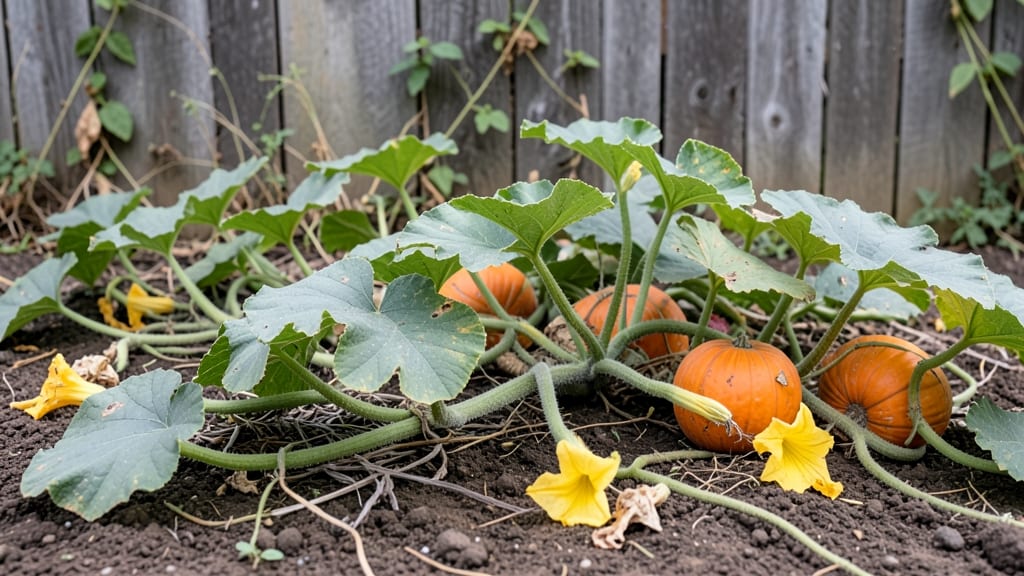
"Healthy pumpkin plants start with the right neighbors in the garden. 🌱 I’ve grown pumpkins for years, and the difference between a struggling vine and a thriving one often comes down to what’s planted nearby. The right companions deter pests, improve soil, and even boost flavor—without chemicals or guesswork.
Pumpkins need space, sun, and deep, well-draining soil, but their real secret lies in strategic pairings. Plant them alongside marigolds to repel squash bugs, bush beans to fix nitrogen, or nasturtiums to lure aphids away.
These combos create a balanced ecosystem where pests avoid your patch entirely. Even experienced growers overlook how much companion plants simplify care.
You’ll notice the difference within weeks: vibrant green leaves, fewer holes in foliage, and vines that sprawl confidently instead of wilting. The pumpkins themselves develop sweeter flesh and thicker rinds when grown with the right allies.
This isn’t just theory—it’s a tested system that works in home gardens from coast to coast.
Whether you’re a first-time grower or a seasoned pro, these pairings cut down on spraying and watering drama. The best part? Your harvest stays healthy, abundant, and organic—no shortcuts needed. Let’s get those vines thriving from day one.
📚 In This Guide
- What you need
- Instructions
- Tips and common mistakes
- Wrapping up and next steps
What you need
- ● Seeds: Choose heirloom or hybrid pumpkin seeds suited to your climate (e.g., 'Jack Be Little,' 'Sugar Pie,' or 'Howden'). Aim for 2–3 seeds per hill (or 1 seed if transplanting seedlings).
- ● Growing Space: Direct sunlight: A full-sun location (6–8+ hours/day) with well-draining soil.
- ● Space: Vines need 50–100 sq. ft. per plant (or trellis support for compact varieties).
- ● Soil: Amend garden beds with 2–3 inches of compost or aged manure. Ideal pH: 6.0–6.8.
- ● Water: 1–2 inches per week (adjust for rain; avoid soggy soil).
- ● Fertilizer: At planting: 5-10-10 fertilizer (1 tbsp per hill) or compost.
- ● During growth: Balanced organic fertilizer (e.g., fish emulsion or worm castings) every 3–4 weeks.
- ● Mulch: Straw or black plastic mulch (3–4 inches thick) to retain moisture and suppress weeds.
- ○ Support (optional but helpful): Trellis or cages: For varieties like 'Small Sugar' or 'Cinderella' (use 6–8 ft. tall supports).
- ● Row covers: Lightweight fabric to protect seedlings from pests.
- ● Garden trowel or shovel for planting.
- ● Pruners or shears (sterilized) for trimming vines.
- ● Watering can or hose with adjustable nozzle (gentle watering prevents soil erosion).
- ● Garden gloves (to protect from thorns and soil-borne pathogens).
- ○ pH testing kit (optional but useful for soil adjustments).
- ● Measuring tape or ruler (to track vine growth and spacing).
- ● Nasturtiums (pest deterrent).
- ● Marigolds (fungus prevention).
- ● Bush beans or peas (nitrogen-fixing).
- ● Corn (provides shade for young plants).
- ● Avoid: Potatoes, squash, or melons (compete for nutrients).
- ● 💡 Start seeds indoors 2–4 weeks before last frost (transplant after soil warms to 70°F+).
- ● 🌡️ Monitor soil temp—pumpkins won’t germinate below 60°F.
- ● ✨ Use a fan for seedlings to strengthen stems (prevents lodging).
- ● 🎯 Thin seedlings to the strongest plant per hill once they’re 3–4 inches tall.
Step-by-Step guide to cultivating healthy pumpkin plants
Here’s how to create a thriving pumpkin patch using strategic companion plants.
🌱 Step 1: Select the Right Companion Plants
Pumpkins thrive when paired with plants that deter pests, improve soil, and attract pollinators. Start with marigolds—their strong scent repels squash bugs and nematodes, while basil near vines boosts growth and flavor. I also include nasturtiums to lure aphids away from pumpkin leaves, and beans or peas to fix nitrogen in the soil.
Plant corn nearby to create a natural trellis—pumpkin vines will climb it, saving space and reducing disease risk from ground contact. Avoid planting pumpkins near potatoes or fennel, as they stunt growth. Space companions 12-18 inches from pumpkin vines to prevent competition.
☀️ Step 2: Prepare the Soil for Optimal Growth
Pumpkins demand well-draining, nutrient-rich soil with a pH of 6.0-7.0. Work in 3-4 inches of compost and 1 cup of 5-10-10 fertilizer per 10-foot row before planting. I also mix in 1 pound of lime if soil tests acidic, as pumpkins hate soggy roots or compacted earth.
Test soil moisture by pressing a finger 2 inches deep—it should feel damp but not wet. Overwatering leads to rot, while dry soil stresses plants. Mulch with 4-6 inches of straw after planting to retain moisture and suppress weeds, which compete for nutrients.
💧 Step 3: Plant Pumpkins and Companions Strategically
Sow pumpkin seeds 1 inch deep and 2-3 feet apart in hills, with 4-5 feet between hills to allow sprawling vines. Plant marigolds and nasturtiums around the perimeter of the patch, while basil goes near the base of vines. I tuck bean or pea seeds in the same rows, spacing them 6 inches apart—they’ll climb nearby trellises.
Water deeply immediately after planting, then 1-2 inches per week once established. Avoid wetting leaves to prevent fungal diseases. You’ll see first true leaves in 7-10 days; this is your cue to thin seedlings, leaving only the strongest plant per hill.
✂️ Step 4: Monitor and Maintain the Ecosystem
Check plants weekly for pests—aphids on nasturtiums mean success, but squash bugs on pumpkins need action. Spray affected leaves with neem oil at dusk if bugs appear. Prune pumpkin vines to remove suckers (side shoots) unless you want extra fruit, as they drain energy from main vines.
Harvest marigolds and nasturtiums before they go to seed to keep them blooming and pest-repelling. Rotate crops next season—pumpkins deplete soil heavily, so plant nitrogen-fixers like clover in their place. You’ll know your system works when vines sprawl 10-20 feet and flowers bloom abundantly.
🪴 Step 5: Extend the Season with Smart Care
In cooler climates, use black plastic mulch to warm soil and row covers to protect young plants from frost. I also plant corn as a living trellis—its stalks provide shade for pumpkin roots while lifting vines off damp ground. Harvest pumpkins when rinds harden and vines yellow, usually 90-100 days after planting.
Save seeds from the healthiest pumpkins for next year, and compost plant debris to return nutrients. This method ensures disease-resistant, high-yielding plants year after year with minimal effort.
Tips & tricks for perfect pumpkin plant cultivation
A few strategic moves can transform your pumpkin patch from decent to extraordinary. Here's how to maximize your companion planting system for healthier, more productive vines.
Companion Plant Placement: When arranging your companions in Step 1, place marigolds and nasturtiums at the perimeter of your patch—their pest-repelling properties work best when they form a protective barrier. I've found that positioning basil right at the base of pumpkin vines creates a natural pest deterrent zone while enhancing flavor in any harvested fruits. The key is maintaining that 12-18 inch spacing—any closer and you'll create competition for nutrients.
Soil Preparation Insight: In Step 2, don't just eyeball your soil amendments. Test your soil's pH first—pumpkins absolutely hate anything below 6.0. I've seen gardens where homeowners added compost and fertilizer but ignored pH, resulting in stunted growth. That 1 pound of lime per 10-foot row makes all the difference when your soil tests acidic. And when checking moisture, press your finger 2 inches deep—this is the critical zone where roots absorb water.
Thinning Strategy: That 7-10 day window for first true leaves in Step 3 is your golden opportunity. I've learned the hard way that waiting too long to thin means weaker plants competing for resources. Use sharp scissors to cut seedlings at soil level rather than pulling—this prevents disturbing the roots of your chosen plants. Leave the strongest seedling per hill, looking for the one with the most vibrant leaves and sturdiest stem.
Pest Prevention: The weekly pest checks in Step 4 are non-negotiable. I've seen entire patches decimated by squash bugs because someone skipped this step. When you spot aphids on nasturtiums, that's actually good news—it means your pest control system is working! But if you see them on pumpkin leaves, act immediately with neem oil. Apply it at dusk when bees are less active, and always follow up with a thorough inspection of the undersides of leaves where pests love to hide.
Pro Tips for Healthy Pumpkin Plants
- A few strategic moves can transform your pumpkin patch from decent to extraordinary.
- Companion Plant Placement: When arranging your companions in Step 1, place marigolds and nasturtiums at the perimeter of your patch—their pest-repelling properties work best when they form a protective barrier.
- Soil Preparation Insight: In Step 2, don't just eyeball your soil amendments.
Frequently asked questions
Got questions about growing healthy pumpkin plants?
You’re not alone! Here are answers to the most common concerns—from timing to troubleshooting—so you can cultivate thriving vines and bountiful harvests with ease.
What are the best companion plants for pumpkins?
Pumpkins thrive alongside corn, beans, nasturtiums, marigolds, and borage. These companions deter pests, improve soil health, and even attract pollinators. Avoid planting near potatoes, squash, or melons (to prevent disease spread) or fennel (which stunts growth).
How long does it take for pumpkin plants to grow?
From seed to harvest, expect 75–120 days for mature pumpkins, depending on the variety. Seedlings sprout in 5–10 days, and vines spread rapidly (up to 20 feet!). Monitor soil warmth—pumpkins need consistent temps above 60°F (15°C) to thrive.
Why are my pumpkin leaves turning yellow?
Yellow leaves often signal overwatering, nutrient deficiencies (like nitrogen), or fungal diseases (e.g., powdery mildew). Check soil moisture (keep it consistently damp but not soggy) and rotate crops annually. For mildew, spray leaves with a baking soda solution (1 tbsp per gallon of water).
Can I grow pumpkins in containers?
Yes! Use a 5-gallon container or larger with drainage holes, and choose bush varieties (like ‘Jack Be Little’). Fill with well-draining soil, provide 6–8 hours of sunlight daily, and fertilize every 2–3 weeks. Containers limit vine spread, so prune aggressively and stake if needed.
When should I harvest pumpkins?
Harvest when the pumpkin’s skin hardens and the stem dries out (usually 75–100 days after pollination). Use a clean knife to cut the stem, leaving a 2-inch margin. Cure pumpkins in sunlight for 7–10 days to toughen the rind and boost storage life (up to 2–3 months).
Wrapping up and next steps
Growing healthy pumpkin plants is all about teamwork—pairing them with the right companion plants while avoiding their nemeses! By following these natural strategies, you’ll enjoy bigger yields, fewer pests, and thriving vines without synthetic shortcuts. 🌱
Ready to put your newfound knowledge into action? Start by sketching a garden layout this weekend—map out your pumpkin patch with their ideal companions, like nasturtiums or borage, and watch your harvest flourish! 🎉