
Diseases
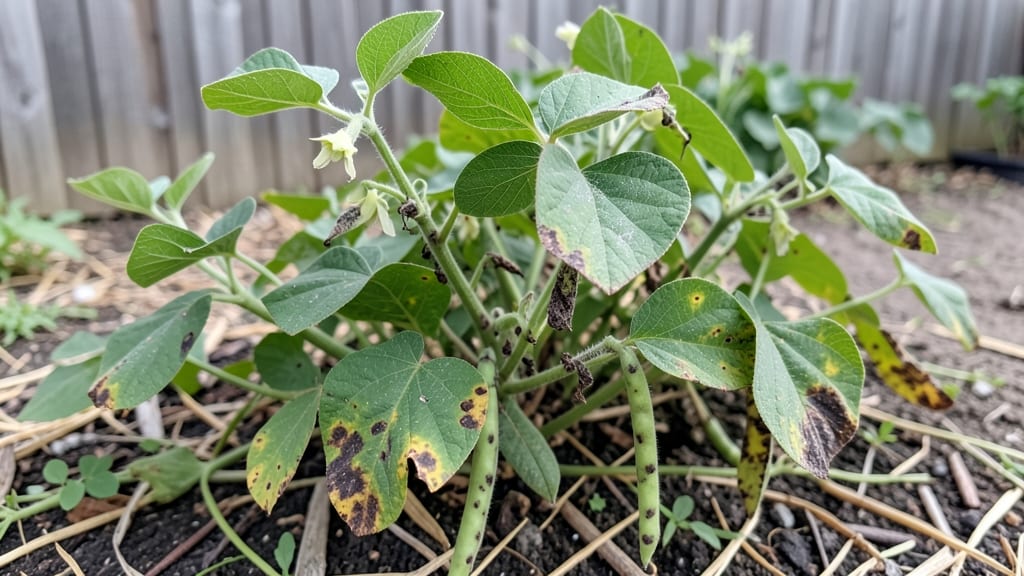
Green bean plant diseases can turn a thriving garden into a sad, spotted mess before you even harvest your first pod. 🌱 I’ve watched my beans go from lush and promising to wilted and speckled—usually because I missed the early signs of trouble.
The good news? Most problems have simple organic fixes if you catch them in time.
Common culprits like powdery mildew (that white dusty coating) or rust (orange-brown spots) often start when beans get too crowded or the air stays too damp. Bacterial blight shows up as yellow, water-soaked patches, and it spreads fast if you don’t act.
The key is keeping plants spaced well, watering at the base (not overhead), and giving them room to breathe.
With the right mix of prevention and quick action, you can save your crop. A spray of baking soda and water stops mildew in its tracks, while removing infected leaves early keeps rust from taking over.
I’ve pulled back beans from the brink more times than I’d like to admit—and every time, the fix was simpler than I expected.
This isn’t about panic—it’s about knowing what to watch for and how to act fast. Once you spot the first signs, you’ll be able to protect your harvest before it’s too late. Let’s get those beans thriving again.
Root Causes Of Bean Blight
Green bean plants are resilient, but they’re not immune to the sneaky culprits that turn lush foliage into a sad, wilted mess. Understanding why these diseases strike is the first step to stopping them in their tracks.
Let’s break down the science behind the most common offenders—so you can outsmart them before they ruin your harvest.
Fungal diseases like anthracnose and rust thrive when conditions are just right—think muggy mornings and sweltering afternoons. Here’s how it happens:
- Excess moisture: Fungi love dampness. Overhead watering (especially at night) or poor air circulation creates a perfect petri dish for spores to germinate. Anthracnose, for example, spreads when water splashes from leaves to stems, creating entry points for infection.
- Warm temperatures: Most fungal pathogens peak between 70–85°F (21–29°C). Heat stress weakens plant defenses, while humidity slows evaporation, keeping fungal spores sticky and active on leaf surfaces.
- Old debris: Leftover plant matter (like infected stems or fallen leaves) harbors fungal spores over winter. When new plants sprout, they’re immediately at risk.
Pro tip: 💡 Space plants 12–18 inches apart to improve airflow, and water at the base (not the leaves) to keep foliage dry.
Bacterial diseases like halo blight and common blight don’t just appear—they hitch a ride on injuries or splashing water. Here’s the breakdown:
- Physical damage: Hail, insects (like bean beetles), or even rough handling can open doors for bacteria. Once inside, they multiply rapidly, clogging plant vessels and causing wilting or dark lesions.
- Rain and irrigation: Heavy rain or overhead sprinklers sling bacteria from soil or infected plants onto healthy ones. Halo blight, for instance, spreads via water droplets carrying Pseudomonas syringae.
- Contaminated tools: Pruners, trellises, or even gloves can transfer bacteria from diseased to healthy plants if not sterilized.
Pro tip: 🔥 Sterilize tools with a 10% bleach solution (1 part bleach to 9 parts water) between uses, and avoid working with plants when they’re wet.
Diseases like root rot and damping-off start below the soil line, where unseen problems fester. The culprits?
- Compacted or waterlogged soil: Green beans hate soggy roots. Phytophthora and other water-mold fungi thrive in anaerobic (oxygen-poor) conditions, suffocating roots and causing them to rot. Overwatering or clay-heavy soil worsens the issue.
- Poor rotation practices: Planting beans (or other legumes) in the same spot year after year exhausts soil nutrients and leaves behind pathogen reservoirs. Damping-off, caused by Rhizoctonia, can decimate seedlings if the soil’s already infected.
- Overcrowding: Dense plantings reduce airflow at ground level, trapping moisture and heat—ideal for sclerotinia rot (white mold) to take hold.
Pro tip: ✨ Test your soil’s drainage by digging a hole, filling it with water, and timing how long it takes to drain. If it’s slower than 4–6 hours, amend with compost or sand.
Some diseases don’t spread on their own—they hitch rides on pests. For example:
- Bean beetles and aphids: These bugs feed on plant sap and excrete honeydew, a sticky substance that attracts sooty mold (a fungal growth). The mold blocks sunlight, weakening the plant and making it more susceptible to other diseases.
- Wireworms and cutworms: Their feeding creates wounds that bacteria and fungi exploit. Blackleg (a bacterial disease) often enters through these injuries.
Pro tip: 🎯 Introduce beneficial nematodes or ladybugs to control pests naturally, reducing the risk of secondary infections.
Green beans are sensitive to extreme swings in temperature, which can trigger diseases like powdery mildew or downy mildew. Here’s how:
- Cool nights + warm days: Powdery mildew thrives when daytime temps hit 75–85°F (24–29°C) but drop sharply at night. The fungus feasts on the condensation that forms on leaves.
- Frost or heat stress: Sudden cold snaps or scorching heat weaken plants, making them vulnerable to opportunistic pathogens. Alternaria leaf spot often flares up after a heatwave.
Pro tip: 🌡️ Use shade cloth (30–50% coverage) during peak summer heat to stabilize temperatures and reduce stress.
Fixing Green Bean Ailments Naturally
Now that you’ve identified the trouble, it’s time to act! The good news? Most green bean plant diseases can be tackled with organic, garden-friendly solutions—no harsh chemicals required.
Below, we’ll map out practical fixes for each common issue, plus prevention tips to keep your plants thriving. Let’s roll up our sleeves and get growing!
Causes: Overwatering, poor airflow, or contaminated soil.
🔥 Treat Powdery Mildew
- Remove infected leaves (🔪) immediately to stop the spread.
- Spray with a baking soda mix (1 tsp baking soda + 1 quart water + a drop of dish soap) every 7–10 days. (Works like a charm!)
- Improve airflow by spacing plants 12–18 inches apart or pruning nearby foliage.
- Water at the base (💦) in the morning to let leaves dry quickly.
🍳 Fix Root or Stem Rot
- Stop watering until the soil dries out 1–2 inches deep.
- Repot affected plants into fresh, sterile potting mix (⏰—do this fast!).
- Add compost or perlite to improve drainage in the soil.
- Prevent future rot by ensuring pots have drainage holes and avoiding soggy soil.
👨🍳 Banish Leaf Spots (Anthracnose, Rust)
- Pick off spotted leaves and dispose of them in the trash (🗑️—not compost!).
- Apply neem oil spray (2 tsp neem oil + 1 quart water + a few drops of soap) weekly.
- Rotate crops next season—don’t plant beans in the same spot for 2–3 years.
- Water early in the day to reduce humidity overnight.
Causes: Weak plants, overcrowding, or poor garden hygiene.
🥘 Ditch Aphids & Bean Beetles
- Blast them off with a strong spray of water (💦—aphids hate this!).
- Introduce beneficial insects: Ladybugs or lacewings devour these pests naturally.
- Spray insecticidal soap (1 tsp mild soap + 1 quart water) on infested areas.
- Use row covers to block bugs before they attack.
🔪 Remove Caterpillars & Loopers
- Handpick them (👆—gross but effective!) and drop them in soapy water.
- Hang pheromone traps to disrupt their mating cycle.
- Plant marigolds nearby—they repel many chewing insects.
Causes: Contaminated tools, infected seeds, or poor sanitation.
🎯 Stop Bacterial Blight or Mosaic Virus
- Remove and destroy infected plants (🗑️—burn or bag them!).
- Sterilize tools with rubbing alcohol between uses.
- Rotate crops and avoid planting susceptible varieties in infected soil.
- Encourage strong plants with balanced fertilizer (💪)—healthy beans resist viruses better.
- Start with disease-resistant varieties (e.g., ‘Blue Lake’ or ‘Kentucky Wonder’).
- Rotate crops annually to break disease cycles.
- Test soil pH (aim for 6.0–7.0)—acidic soil invites fungal issues.
- Mulch with straw to reduce soil splashes onto leaves.
- Inspect plants weekly—catch problems early!
Pro Tip: 🌿 If all else fails, sometimes the best cure is a fresh start—pull and compost heavily infected plants to protect your whole garden!
Now that you’ve got the tools, get out there and revive those beans! 🌱💚 With these fixes, your green bean patch will be back to producing crisp, delicious pods in no time.
Frequently asked questions about green bean plant diseases
What are the first signs of powdery mildew on green beans?
Look for a white, powdery coating on the leaves—it starts as tiny spots but spreads quickly if ignored. The undersides of leaves are often the first to show signs, and severe cases cause yellowing and leaf drop. Catch it early with a baking soda spray to save your plants.
Can I still harvest beans if they have rust spots?
Yes, but remove the infected leaves first. The rust fungus (Uromyces) primarily affects foliage, not the pods themselves. Just avoid harvesting from heavily spotted plants, as the spores can spread during picking. Prune and destroy infected leaves immediately.
Why do my green beans keep getting bacterial blight?
This stubborn disease thrives in wet conditions and spreads through water splashes. The bacteria (Xanthomonas) enter through wounds, so avoid overhead watering and sterilize tools between plants. Rotate crops yearly and choose resistant varieties like 'Blue Lake' to break the cycle.
How can I prevent root rot in container-grown green beans?
Ensure pots have drainage holes and never let water pool at the bottom. Use well-draining soil mixes with perlite or compost, and water only when the top 1 inch feels dry. Overcrowding traps moisture—space plants properly and avoid soggy soil conditions.
Are there any organic sprays that work against multiple diseases?
Neem oil is your best all-purpose defense! Mix 1 tablespoon neem oil with 1 quart water and a drop of soap, then spray every 7–10 days. It fights fungi, bacteria, and even some pests. For extra protection, alternate with a copper fungicide spray (organic-certified).