
Plants
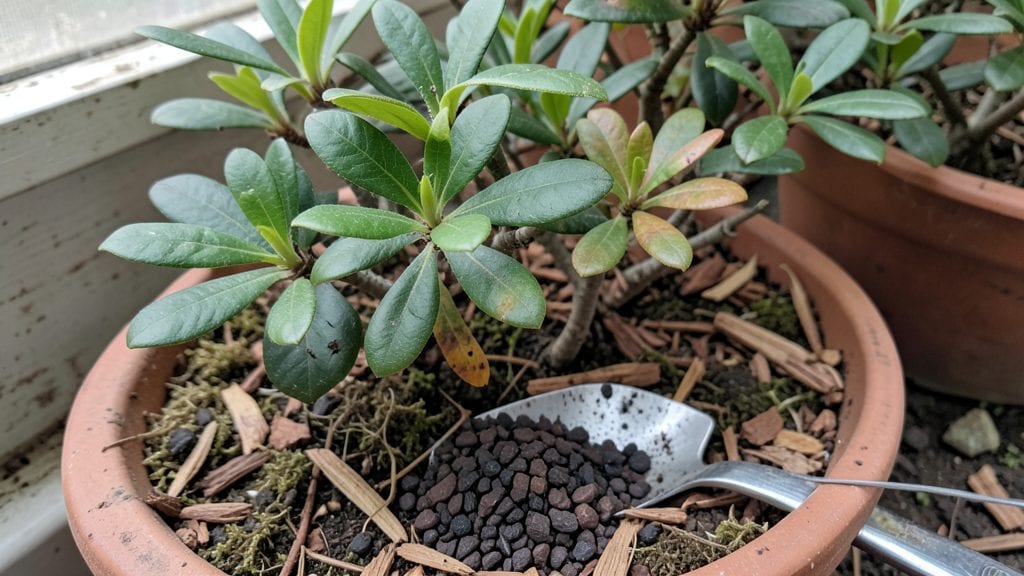
Chelated iron for plants delivers iron in a soluble, plant-available form that bypasses soil pH issues, preventing chlorosis and restoring green foliage quickly. Use it for acid-loving plants in alkaline soils or when iron deficiency appears as yellowing leaves with green veins.
Chelated iron works by binding iron atoms to organic molecules, creating a stable complex that plants can absorb even in alkaline or high-pH soils where regular iron fertilizers fail. 🌱 This is especially critical for plants like hydrangeas and azaleas, which thrive in acidic conditions but often suffer from iron deficiency when grown in neutral or basic soils.
Unlike inorganic iron sources that may precipitate and become unavailable, chelated iron remains dissolved and active in the soil solution, ensuring your plants get the nutrients they need when they need them.
The key advantage of chelated iron is its immediate effectiveness—you'll often see visible improvements in leaf color within days of application. For best results, I recommend using it as a foliar spray during early symptoms (like yellowing between veins) or as a soil drench for established deficiencies.
Always follow the product's specific dosage instructions, as overapplication can lead to toxicity in sensitive plants.
💡 In This Article
- How Chelated Iron Solves Plant Iron Deficiency
- When and How to Apply Chelated Iron Fertilizers
How chelated iron solves plant iron deficiency
Chelated iron works through a fascinating chemical process where iron atoms are wrapped in organic molecules like EDTA (ethylenediaminetetraacetic acid) or EDDHA (ethylenediamine dihydroxyphenylacetic acid). This creates a stable complex that mimics how plants naturally transport iron through their systems.
In alkaline soils (pH 7.0+), regular iron salts like ferrous sulfate oxidize into insoluble forms, locking nutrients away from roots. But chelated iron remains dissolved and mobile, delivering iron directly to plant tissues where it's needed most.
The magic happens at the molecular level: chelates have a strong affinity for iron (Fe³⁺) while repelling soil particles and microbes that would otherwise bind and immobilize the nutrient.
For example, EDDHA forms a 1:1 ratio complex with iron that stays stable across a wide pH range (4.0-10.0), while synthetic chelates like Fe-EDTA work better in slightly acidic conditions (pH 5.0-7.0). This stability means plants can absorb iron through their roots or leaves without competition from soil chemistry. 🌿
Organic chelates (derived from natural acids like citric or humic acid) break down more slowly, providing long-term nutrition, while synthetic chelates offer faster uptake but may degrade quicker in sunlight.
The difference shows in results: synthetic chelates often restore color in 5-7 days when applied as foliar sprays, whereas organic chelates take 10-14 days but feed plants for weeks. The choice depends on your urgency and soil conditions.
Inorganic iron sources like ferrous sulfate face two major limitations: they oxidize rapidly in oxygen-rich soils, forming rust-colored precipitates that plants can't use, and they often require acidic conditions to stay soluble.
This explains why many gardeners see temporary color improvement after applying ferrous sulfate, only to watch chlorosis return as the iron becomes unavailable. Chelated iron bypasses this entire problem by maintaining its solubility regardless of soil pH.
Consider this real-world example: A hydrangea planted in pH 8.0 soil with yellowing leaves (classic iron chlorosis) will absorb 90% less iron from ferrous sulfate than from chelated iron.
The chelated version delivers 0.5-1.0% iron by weight that stays plant-available, while the inorganic form may drop to 0.05% availability within days. This 20x difference explains why chelated iron works where other fertilizers fail.
What most gardeners don't realize is that chelation also protects iron from microbial competition. Soil bacteria and fungi actively scavenge iron, but chelates create a "protected zone" around iron atoms that microbes can't access.
This is why chelated iron remains effective even in heavily amended or compost-rich soils where microbial activity would otherwise deplete nutrients quickly. 💡