
Companion Plants
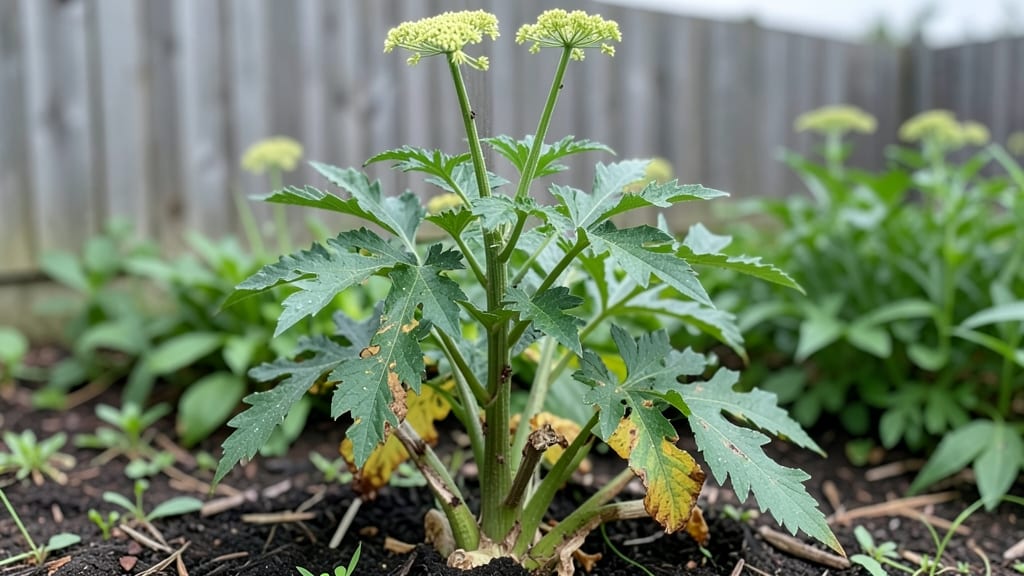
Growing garden lovage plants is like planting a low-maintenance giant that rewards you with bold foliage and edible stems for years. 🌿 I’ve grown this towering perennial for five seasons now, and it’s become my go-to for both the kitchen and the garden borders—it’s tough enough to handle neglect but generous enough to give back more than I ever planted.
The secret to its success lies in its adaptability: it thrives in partial shade to full sun, tolerates poor soil as long as it’s well-drained, and survives winters in zones 3 through 9 without fuss.
Start with divisions for faster results, or grow from seed if you’re patient—just know the seedlings can take a year or two to mature. Once established, it spreads slowly but steadily, forming clumps that look stunning in cottage gardens or alongside roses and peonies.
You’ll harvest fresh stems all season long, perfect for soups, stews, or as a celery substitute, while the feathery foliage adds architectural interest to borders. The best part? It multiplies easily—simply dig up and divide the roots every few years to share with friends or expand your own patch.
With almost no pruning needed, this plant practically grows itself.
Works as a companion plant for tomatoes and brassicas, deters pests with its strong scent, and even attracts pollinators. Whether you’re growing it for the kitchen or the landscape, lovage is the kind of plant that makes gardening feel effortless.
Ready to let it take over a corner of your garden?
📚 In This Guide
- What you need
- Instructions
- Tips and common mistakes
- Wrapping up and next steps
What you need
- ● Seeds or seedlings: 3–5 lovage seeds (or 1–2 young plants from a nursery).
- ● Well-draining soil: A mix of garden soil + compost (ratio 3:1) for optimal growth.
- ● Sunlight: A spot with full sun (6+ hours/day) or partial shade (4–6 hours).
- ● Water: Consistent moisture (1–2 inches per week, especially during drought).
- ● Space: At least 2–3 feet of diameter per plant (lovage spreads!).
- ● Garden trowel or transplanting spade (for planting seeds/seedlings).
- ● Mulch (straw or wood chips) to retain moisture and suppress weeds.
- ○ Fertilizer (optional): Balanced 10-10-10 or compost tea in early spring.
- ● Pruners (for trimming dead foliage or harvesting stems).
- ● Companion plants: Try pairing with carrots, beets, or cabbage (lovage repels pests!).
Step-by-Step guide to planting and caring for garden lovage
This hardy perennial thrives with almost no fuss once established—here's how to get it growing strong.
🌱 Step 1: Choose the Right Location and Prepare the Soil
Lovage loves space and sunlight—pick a spot with full sun to partial shade (at least 4-6 hours of direct sun daily). I always test the soil first by digging a 6-inch hole and checking drainage. If water pools after 30 minutes, amend with compost or coarse sand to improve drainage.
Lovage's roots run deep, so loosen the soil to 12 inches down with a garden fork. Break up any compacted layers so roots can spread easily. The ideal soil is slightly alkaline to neutral (pH 6.5-7.5). If your soil is heavy clay, mix in 2-3 inches of compost to lighten it up.
🪴 Step 2: Plant Divided Roots or Seeds at the Right Time
For fastest results, plant divided roots in early spring or fall when temperatures are 50-70°F. Dig a hole twice as wide as the root ball but only 1 inch deeper than the roots sit naturally. Lovage hates having its crown buried too deep—this ensures healthy growth from the start.
If starting from seed, sow in late spring after all frost danger has passed. Scatter seeds ¼ inch deep and 12 inches apart—they germinate slowly, often taking 3-4 weeks. Keep the soil consistently moist during this time, but don't let it stay soggy. Thin seedlings to 18 inches apart once they're 4 inches tall.
☀️ Step 3: Water Deeply and Mulch for Long-Term Health
Water newly planted lovage 1-2 inches per week during the first growing season. You'll know it's getting enough when the soil feels damp 2 inches down. After establishment, lovage becomes quite drought-tolerant, but deep watering every 10-14 days keeps the leaves tender and flavorful.
Spread 2-3 inches of mulch around the base (keeping it 2 inches away from stems) to retain moisture and suppress weeds. I use straw because it breaks down slowly and adds organic matter as it decomposes. Replenish mulch annually in early spring—this simple step cuts watering needs by half.
✂️ Step 4: Prune and Harvest for Continuous Growth
Harvest leaves anytime after the plant reaches 12 inches tall, but avoid cutting more than ⅓ of the plant at once. I always cut from the top down, leaving the lower leaves to keep the plant photosynthesizing. The flavor intensifies as the plant matures, so wait until late summer for the strongest taste.
Cut back leggy stems in early spring to encourage bushier growth. If the plant gets too large, divide clumps every 3-4 years in early spring. Simply dig up the root ball, separate into 3-4 inch sections, and replant immediately. Lovage spreads easily—this keeps it from taking over your garden.
🌿 Step 5: Protect and Maintain Through Seasons
Lovage's hardy nature means minimal winter care. In cold climates (below 0°F), mound 4-6 inches of mulch around the base in late fall to protect the roots. In warmer zones, no special protection is needed—lovage thrives year after year with almost no intervention.
Watch for aphids on new growth, especially in spring. A strong spray of water usually knocks them off, but severe infestations may need neem oil treatment. If leaves yellow, it's often a sign of overwatering—let the soil dry out between waterings. With proper care, your lovage will reward you with decades of harvests.
Tips & tricks for perfect garden lovage plants
Between us, these little-known tricks will help your lovage grow stronger and more productive than you ever imagined.
The Drainage Test: That 30-minute drainage check in Step 1 is your secret weapon. If water pools after 30 minutes, you're not just fixing drainage—you're preventing root rot that could kill your plant before it even establishes. I've seen lovage plants wither from soggy soil despite being in "good" garden spots.
Planting Depth Matters: In Step 2, that 1-inch deeper rule isn't arbitrary—lovage's crown needs to sit just above soil level. Burying it too deep suffocates the plant, while planting too shallow exposes it to temperature swings. I've lost count of how many times I've had to dig up improperly planted lovage to save it.
Mulch Like a Pro: The 2-3 inches of mulch in Step 3 isn't just decoration—it's your moisture and weed control system. I've found that straw mulch actually improves soil quality over time as it breaks down. Just remember to keep it 2 inches away from stems to prevent rot.
Harvesting Strategy: When you reach Step 4 and harvest, always cut from the top down. This keeps the lower leaves photosynthesizing while you get fresh growth from the top. I've noticed my plants stay bushier and more productive when I follow this method consistently.
Pro Tips for Garden Lovage Plants
- Between us, these little-known tricks will help your lovage grow stronger and more productive than you ever imagined.
- The Drainage Test: That 30-minute drainage check in Step 1 is your secret weapon.
- Planting Depth Matters: In Step 2, that 1-inch deeper rule isn't arbitrary—lovage's crown needs to sit just above soil level.
Frequently asked questions
Got questions about growing and using garden lovage? You’re not alone!
Here are answers to the most common queries about this hardy, flavorful perennial.
Is lovage easy to grow for beginners?
Lovage is one of the easiest perennials to cultivate. It thrives in partial shade to full sun, tolerates poor soil, and even survives light frosts. Just plant it in moist (but well-drained) soil, and it’ll reward you with minimal fuss. Pro tip: Mulch around the base to retain moisture and suppress weeds—lovage loves consistency!
How long does it take for lovage to mature and produce edible stems?
Patience pays off! Lovage grows slowly at first but becomes established in its first year. You’ll see edible stems (the thick, celery-like stalks) by late spring or early summer of its second year. Harvest stems when they’re 1–2 feet tall for the best flavor. Fun fact: The leaves are edible too but taste milder—great for teas or garnishes!
Can I grow lovage in containers or small gardens?
Yes! While lovage can spread (reaching 4–5 feet tall and wide), it adapts well to containers. Use a 12-inch-wide pot with drainage holes and rich, organic soil. Just keep it near a water source—containers dry out faster. Warning: If left unchecked, it may self-seed aggressively, so deadhead flowers if you want to control its spread.
What’s the best way to harvest and store lovage?
Harvest stems by cutting them at the base with clean shears. For long-term storage, trim leaves and bundle stems (like herbs) and hang them upside down in a dry, dark place. They’ll last 2–3 weeks. For fresh use, store stems in the fridge wrapped in a damp paper towel—use within 5–7 days. Bonus: Freeze chopped lovage in ice cube trays for soups and stews!
Are there any pests or diseases I should watch for?
Lovage is generally pest-resistant, but keep an eye out for aphids (especially on young shoots) or leaf miners. Treat with neem oil or insecticidal soap if needed. Overwatering can cause root rot, so ensure soil drains well. Prevention tip: Space plants 2–3 feet apart to improve airflow and reduce fungal risks.
Wrapping up and next steps
Growing garden lovage is a rewarding experience—this hardy, low-maintenance perennial brings both beauty and culinary versatility to your garden with minimal fuss.
Whether you’re drawn to its striking foliage, fragrant stems, or edible leaves, lovage thrives in almost any space, making it a fantastic addition for both beginners and seasoned gardeners. 🌿
Ready to give it a try? Start by selecting a sunny spot, gathering your supplies, and planting with confidence. Before you know it, you’ll be harvesting fresh lovage for soups, teas, or garnishes—all while enjoying the satisfaction of nurturing a resilient, multi-purpose plant!