
Plants
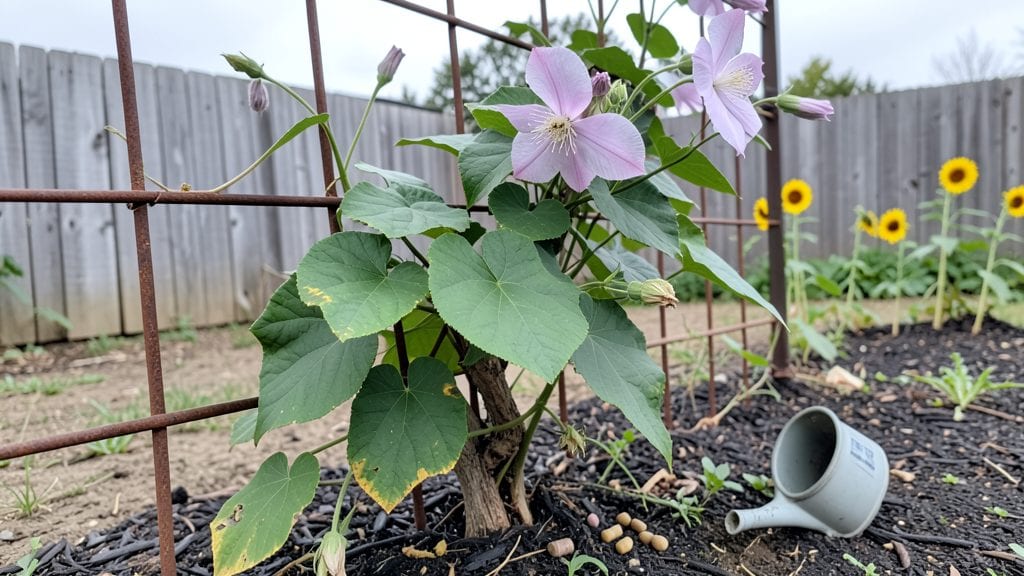
Feeding clematis plants 🌸 the right way is the difference between a vine that climbs and blooms like crazy and one that just sits there looking sad.
Struggling to keep your clematis vines thriving with vibrant blooms and lush foliage? The secret lies in a precise feeding schedule tailored to each season—because what works in spring may harm your plant in winter.
Most gardeners overdo it in spring, thinking more fertilizer means more flowers, only to watch their clematis struggle later. The truth? A balanced approach with the right nutrients at the right time is what turns a good vine into a showstopper.
In this guide, I’ll break down exactly what to feed your clematis, when to do it, and how to spot the signs when you’ve gone wrong—so you can finally get those dreamy blooms you’ve been waiting for.
Seasonal feeding schedule for clematis: what to feed and when
Clematis vines reward precise care with show-stopping blooms and vigorous growth. The key? A seasonal feeding schedule that matches their natural growth cycles. Unlike annuals, clematis thrive on timed nutrient pulses—too much in winter can damage roots, while summer neglect stunts blooms.
I’ve perfected my approach over years of trials, and today, I’m sharing the exact month-by-month plan that transforms struggling vines into lush, flowering giants.
Your clematis needs three critical feeding windows: spring for new growth, summer for blooms, and autumn for root strengthening. Organic options like composted manure or fish emulsion build soil health, while synthetic NPK fertilizers deliver quick phosphorus for flowers.
The secret? Balance. I’ll break down what to feed, when to apply, and how to avoid common mistakes that leave your clematis looking half-hearted.
📋 Summary Table: Clematis Feeding Schedule by Season
| Season | Feeding Goal | Recommended Fertilizer | Frequency | Application Tips |
|---|---|---|---|---|
| Spring (March-May) | Stimulate new growth | 5-10-10 NPK or composted manure | Every 4 weeks | Apply when shoots are 6" tall |
| Summer (June-August) | Boost blooms | High-phosphorus (7-9-5) or bone meal | Every 3-4 weeks | Feed after first flush of blooms |
| Autumn (September-October) | Strengthen roots | Slow-release organic (kelp meal) | Once, 6 weeks before frost | Mix into soil, avoid fresh manure |
| Winter (November-February) | Dormant period | None | N/A | Mulch heavily to protect roots |
Let’s start with spring feeding, the foundation for your clematis’s entire year. When the first 6-inch shoots appear in early spring, it’s time to wake up those roots. I use a balanced 5-10-10 fertilizer (or organic composted manure) to kickstart growth.
The high phosphorus (second number) encourages root development, while nitrogen (first number) fuels leafy vigor. Pro tip: Water thoroughly before applying fertilizer to prevent root burn. For container-grown clematis, halve the dosage to avoid salt buildup.
By late spring, your clematis should be climbing like a pro. This is when I switch to a high-phosphorus formula like 7-9-5 or bone meal. Phosphorus is the bloom booster clematis crave—it triggers those stunning flowers.
I feed every 3-4 weeks during summer, always pairing fertilizer with a deep watering. Organic options like fish emulsion or worm castings work wonders too, but they require more frequent applications. The goal?
Keep those blooms coming without overfeeding, which can lead to leafy growth at the expense of flowers.
As summer winds down, autumn feeding shifts focus to root hardening. In early September, I apply a slow-release organic fertilizer like kelp meal or a light compost top-dressing. This helps the plant store nutrients for next year’s growth. Avoid fresh manure—it can burn delicate roots as temperatures drop.
Instead, mulch with 3-4 inches of straw to insulate roots and retain moisture. This is also the time to reduce watering gradually, signaling the plant to prepare for dormancy.
Winter is zero-feeding season for clematis. These vines are dormant, and any fertilizer applied now will burn roots or encourage weak, frost-sensitive growth. Instead, focus on protection.
I add an extra layer of mulch around the base and, for tender varieties, wrap the crown with burlap or frost cloth. If you’re in a Zone 5 or colder, consider a lightweight row cover for extra insulation.
This patience pays off—healthy roots mean bigger blooms next spring.
Container-grown clematis need special attention. Since their roots are confined, they drain nutrients faster. I feed container clematis twice as often as garden varieties but half the amount. Use a water-soluble fertilizer every 2 weeks during summer, always watering thoroughly afterward.
Flush the soil monthly with clear water to prevent salt buildup from synthetic fertilizers. For organic growers, liquid seaweed extract is a game-changer—it boosts immunity and growth without risking over-fertilization.
Now, let’s talk signs of overfeeding, because even well-meaning gardeners can go overboard. Yellowing leaves with brown edges? That’s a classic salt burn from synthetic fertilizers. Wilting despite moist soil? Root damage from too much nitrogen. If you see excessive
Common feeding mistakes that stunt clematis growth (and how to fix them)
Your clematis vines might be struggling not because of poor soil or lack of sunlight, but from feeding mistakes that go unnoticed. Even well-intentioned gardeners often overfeed, use the wrong nutrients, or feed at the wrong time—all of which can lead to stunted growth, fewer blooms, or even plant decline.
The key is understanding what your clematis truly needs and when, because timing and balance are everything for these vigorous climbers.
One of the biggest misconceptions is that more fertilizer equals better results. In reality, over-fertilization can burn roots, disrupt nutrient balance, and cause your clematis to focus on leafy growth instead of producing those stunning blooms you love.
Plus, feeding at the wrong time—like during dormancy or extreme heat—can stress the plant and set it back for the entire season. Let’s fix these common mistakes before they become permanent problems.
⚠️ Warning: Over-Feeding Signs in Clematis
If your clematis shows these symptoms, you may be over-feeding:
- Yellowing leaves (especially older ones)
- Burnt leaf edges (brown or crispy tips)
- Excessive leaf growth with few or no blooms
- Root damage (mushy or blackened roots when checked)
Solution: Flush the soil with water to leach excess salts, then reduce fertilizer by half for 2 months. Focus on organic matter like compost or worm castings to rebuild soil health.
Another frequent mistake is using a high-nitrogen fertilizer when your clematis needs more phosphorus for blooms. Nitrogen-heavy feeds (like lawn fertilizers) promote leafy growth at the expense of flowers, leaving you with lush vines but no spectacular blooms.
Clematis thrive with a balanced 5-10-10 or 10-20-10 NPK ratio, where phosphorus (the middle number) supports root and flower development.
Seasonal timing is just as critical. I’ve seen gardeners feed their clematis in winter or late fall, thinking it will boost early growth. But clematis go dormant in cooler months, and feeding during this time forces them to grow when they should be resting.
Instead, hold off on fertilizing until early spring, when new growth begins. This timing ensures your plant uses nutrients for strong roots and stems before flowering.
For container-grown clematis, feeding mistakes are even more common because nutrients leach out faster in pots. If you’re growing clematis in containers, feed every 3-4 weeks during the growing season with a water-soluble fertilizer, but cut back in late summer to encourage dormancy.
Always water thoroughly after feeding to prevent salt buildup, which can damage roots and stunt growth.
To revive a clematis that’s been overfed or neglected, start by pruning dead or damaged stems and amending the soil with organic compost. Water deeply but infrequently to encourage deep root growth, and avoid fertilizing for at least 6 weeks.
Once the plant shows new growth, resume feeding with a low-dose, bloom-boosting fertilizer in early spring. Patience is key—clematis are resilient and can bounce back with the right care.