
Tools
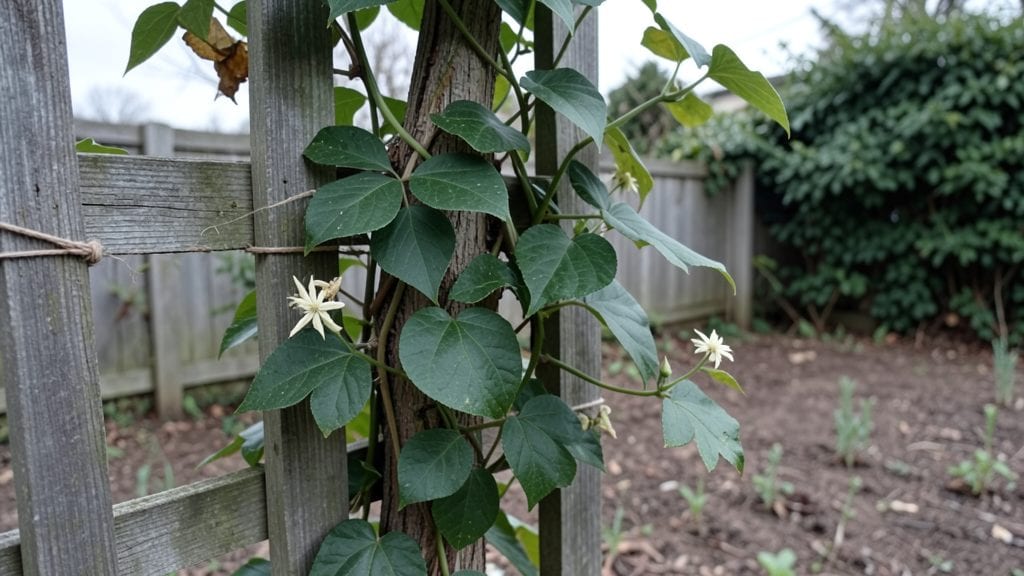
Evergreen trellis plants turn blank walls into lush vertical gardens that never stop showing off. 🌿 I used to think trellises were just for summer flowers, but climbing evergreens like ivy, clematis, and ornamental grasses keep your garden vibrant through every season—no dead zones, no seasonal replanting.
The best part? They handle shade, wind, and even urban smog better than annuals.
Start with a sturdy trellis (metal or wood works) and match your plant to the space. Ivy thrives in tight corners, clematis loves sun-drenched fences, and ornamental grasses add movement to shady spots.
My front yard trellis now has ivy cascading over a 6-foot arch, creating a green tunnel that stays green even in winter. The key is spacing plants 12-18 inches apart so they fill in evenly.
You’ll end up with a living tapestry that softens harsh lines, adds privacy, and frames your garden like a natural artwork. Prune lightly in early spring to shape growth, and fertilize once in late summer to keep foliage thick.
The texture contrast—smooth ivy leaves against feathery grasses—makes these trellises stand out year-round.
Works for everything from small balconies to large backyard focal points. Once established, these plants need almost no maintenance beyond occasional trimming. Let’s make your garden climb higher than ever before.
📚 In This Guide
- What you need
- Instructions
- Tips and common mistakes
- Wrapping up and next steps
What you need
- ● Trellis Structure: 1 sturdy trellis frame (wood, metal, or PVC—at least 6 feet tall for most evergreens)
- ● 4–6 heavy-duty galvanized screws or stakes (3–4 inches long) for securing the trellis
- ● Evergreen Plants: 3–5 climbing evergreen plants (e.g., Ivy, Star Jasmine, or Climbing Hydrangea—check spacing needs on tags!)
- ● 1–2 5-gallon pots or nursery containers per plant (if not transplanting)
- ● Soil & Amendments: 1 bag well-draining potting mix (or garden soil + perlite for outdoor beds)
- ● 1 cup slow-release fertilizer (10-10-10 or organic options like compost)
- ● Basic Gardening Tools: 1 trowel or hand shovel for planting
- ● 1 pruning shears (sterilized!) for trimming
- ● 1 watering can or hose with nozzle (gentle spray setting)
- ● Mulch (2–3 inches of pine bark or shredded leaves to retain moisture)
- ● Plant ties or soft jute twine to guide young vines (avoid plastic—it can damage bark!)
- ● Landscape fabric (to suppress weeds around the base)
- ● Decorative lights or solar-powered stakes (for evening ambiance!)
Step-by-Step guide to planting and maintaining evergreen trellis plants
Here's how to create a stunning vertical garden that stays lush and vibrant all year.
🪴 Step 1: Choose the Right Location and Install the Trellis
First, select a spot that gets at least 6 hours of sunlight daily—most evergreen climbers like ivy, clematis, or star jasmine need this to thrive. I always check for partial shade options if your yard is heavily shaded, as some varieties (like English ivy) tolerate lower light better than others. Install the trellis where it won’t block windows or doorways, and make sure it’s sturdy enough to support mature growth.
Drive the trellis posts 12-18 inches deep into the ground for stability, especially in windy areas. If you're using a freestanding trellis, anchor it with stakes or weights. The trellis should be at least 6 feet tall to accommodate most evergreen climbers, which can grow several feet per year. I like to add a small overhang at the top to help plants grip securely.
🌱 Step 2: Prepare the Soil and Plant Your Evergreen Climber
Loosen the soil around the trellis base to a depth of 12 inches to encourage root spread. Mix in a 2-inch layer of compost to improve drainage and fertility—evergreen climbers like well-draining soil but also need nutrients to stay green year-round. If your soil is heavy clay, add a 50/50 mix of sand and compost to lighten it up.
Dig a hole twice as wide as the root ball but no deeper. Place your evergreen climber in the hole, ensuring the top of the root ball sits 1 inch below soil level. Backfill with native soil, pressing gently to remove air pockets. Water deeply to settle the soil and encourage root contact. If planting in cooler climates, wait until after the last frost date—most evergreen climbers prefer to establish roots before winter.
💧 Step 3: Train and Support the Plant as It Grows
As your evergreen climber grows, gently guide the stems along the trellis using soft plant ties or twine. Avoid metal or plastic ties—they can damage tender stems as the plant thickens. I like to tie stems loosely every 6-12 inches to encourage even growth. Watch for new shoots near the base; these should also be trained upward to create a fuller, denser plant.
Prune back any leggy or overcrowded growth in early spring to maintain shape and airflow. Evergreen climbers benefit from light pruning every 6-8 weeks to encourage bushier growth. If a vine slips off the trellis, simply retie it—these plants are resilient and will recover quickly. Mulch around the base with 2-3 inches of organic mulch to retain moisture and regulate soil temperature.
☀️ Step 4: Maintain Year-Round Care for Lush Growth
Water deeply once a week during the first growing season to establish roots, then taper off to every 10-14 days once established—evergreen climbers are drought-tolerant but look best with consistent moisture. Check the soil 2 inches deep; if it’s dry, it’s time to water. Avoid wetting the foliage to prevent fungal diseases like powdery mildew, which can discolor leaves.
Fertilize in early spring with a balanced, slow-release fertilizer (like 10-10-10) to support new growth. I also add a handful of fish emulsion or seaweed extract mid-summer for a nutrient boost. Evergreen climbers are low-maintenance, but a little extra care keeps them vibrant. Watch for pests like spider mites or aphids—spray with soapy water if you spot them early, before they spread.
✂️ Step 5: Prune and Refresh for Long-Term Beauty
In late winter or early spring, prune back any dead, damaged, or overcrowded branches to encourage fresh growth. Cut just above a leaf node or bud to promote new shoots. If your evergreen climber looks sparse, trim back one-third of the oldest growth to rejuvenate the plant. This is also a good time to check the trellis for stability—tighten any loose screws or replace damaged sections.
Evergreen climbers thrive with minimal intervention, but a little seasonal care keeps them looking their best. I like to add a fresh coat of mulch every fall to protect roots from winter temperature swings. With the right trellis and consistent care, your evergreen climber will provide year-round color and texture—no dead winter branches in sight!
Tips & tricks for perfect evergreen trellis plant care
Creating a thriving vertical garden with evergreen climbers takes a few key tricks to ensure your plants stay lush and vibrant all year.
Location and Light Strategy: While most evergreen climbers need at least 6 hours of sunlight daily, don't assume all spots work equally. In Step 1, test your location by observing sunlight patterns throughout the day. Morning sun is gentler than afternoon heat, so if your yard gets intense afternoon rays, consider placing sun-loving varieties like clematis on the east side of your trellis. For partial shade lovers like English ivy, choose spots with dappled sunlight—these plants often thrive under trees where they get filtered light.
Soil Prep Game-Changer: The 12-inch soil loosening in Step 2 is crucial, but here's what nobody tells you: mix in a handful of perlite or vermiculite with your compost to create air pockets. This prevents soil compaction that can strangle roots, especially important for evergreens that need consistent moisture but hate soggy feet. I've found that adding a slow-release granular fertilizer at planting time (like 10-10-10) gives plants a nutrient boost without the risk of over-fertilizing.
Trellis Training Technique: When tying stems every 6-12 inches in Step 3, use a figure-eight knot that's loose enough to slide up as the stem grows. This prevents girdling—where ties cut into the stem as it thickens. I've learned the hard way that plastic ties can leave permanent scars on tender stems, so I always use soft fabric strips or jute twine. For fast-growing varieties, check ties weekly during the first growing season to ensure they're not restricting growth.
Pruning Secrets: That one-third pruning in Step 5 isn't just about rejuvenation—it's about encouraging bushier growth. When you trim back old growth, you're signaling the plant to produce new shoots from lower nodes. For a fuller look, prune just after new growth appears in spring, and always cut at a 45-degree angle just above a leaf node. This simple technique can transform a leggy plant into a dense, bushy climber within a season.
Pro Tips for Evergreen Trellis Plants
- Creating a thriving vertical garden with evergreen climbers takes a few key tricks to ensure your plants stay lush and vibrant all year.
- Location and Light Strategy: While most evergreen climbers need at least 6 hours of sunlight daily, don't assume all spots work equally.
- Soil Prep Game-Changer: The 12-inch soil loosening in Step 2 is crucial, but here's what nobody tells you: mix in a handful of perlite or vermiculite with your compost to create air pockets.
Frequently asked questions
Got questions about evergreen trellis plants?
You’re not alone! Here are some of the most common queries—plus quick, practical answers to help you grow with confidence.
What are the best evergreen trellis plants for beginners?
Start with hardy, low-maintenance options like English Ivy (Hedera helix) or Star Jasmine (Trachelospermum jasminoides). Both tolerate partial shade, require minimal pruning, and stay lush year-round. For faster growth, try Climbing Hydrangea (Hydrangea petiolaris)—just ensure it has sturdy support!
When is the best time to plant evergreen trellis plants?
Plant in early spring or fall when temperatures are mild (50–70°F). This gives roots time to establish before extreme heat or cold. Avoid planting in winter unless you’re in a frost-free zone—young plants are vulnerable to frost damage.
Can I use evergreen trellis plants in containers instead of gardens?
Choose compact varieties like Creeping Fig (Ficus pumila) or Boston Ivy (Parthenocissus tricuspidata) for pots. Use large containers (15+ gallons) with drainage holes, and train vines with trellis stakes or wire cages. Just remember: container plants may need more frequent watering and winter protection.
How do I keep pests away from my evergreen trellis plants?
Prevent issues with regular inspections and natural deterrents. Spray neem oil on leaves to repel aphids, spider mites, and scale. For chewers like slugs, use copper tape around the base. Prune infected branches immediately to stop spread—and don’t over-fertilize, which attracts pests!
Do evergreen trellis plants need winter care?
Most evergreens handle cold well, but young plants or tender varieties (like Clematis) may need mulch or burlap wraps in freezing temps. Water deeply before the first frost to hydrate roots. If snow accumulates, gently brush it off to prevent branch breakage. Pro tip: Prune in late winter to encourage fresh, vigorous growth!
Wrapping up and next steps
Transforming your space with evergreen trellis plants is a rewarding way to add lush, year-round beauty while boosting your garden’s charm. Whether you’re a seasoned gardener or just starting, these hardy climbers offer low-maintenance elegance and versatility—perfect for fences, walls, or even patio corners. 🌿✨
Ready to get growing? Start by selecting the perfect plants for your climate, gather your tools, and let nature do the work! Plant one today and enjoy the rewards for seasons to come.