
Pruning
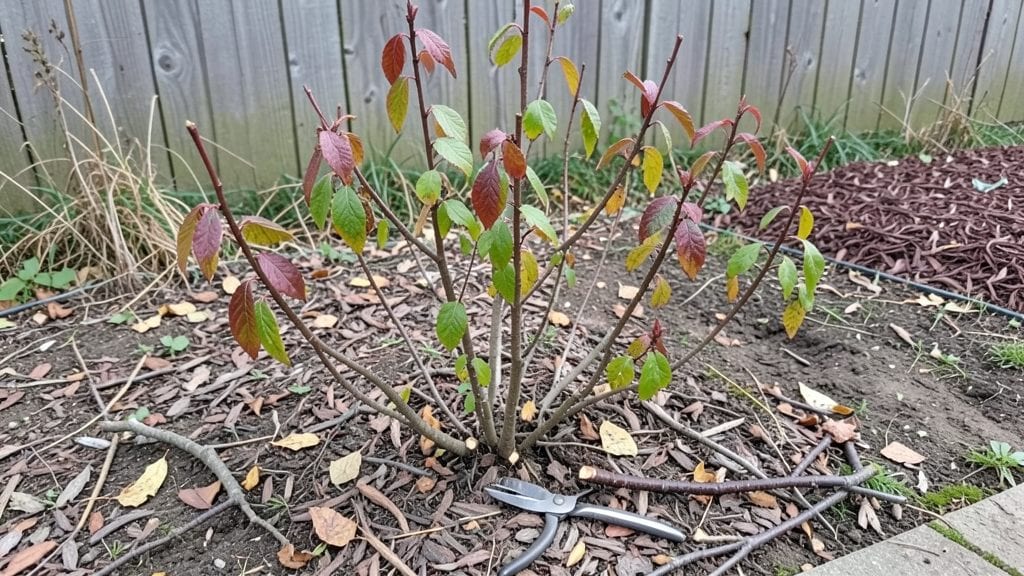
Mastering euonymus plant pruning turns unruly shrubs into polished masterpieces—here’s how to shape yours with confidence. 🌿 I’ve trimmed my Euonymus japonicus into a formal hedge and my Euonymus alatus into a dramatic multi-stemmed specimen, and the key... is timing, technique, and patience.
The difference between a scraggly mess and a showstopper often comes down to where (and when) you make those cuts.
You’ll need sharp bypass pruners for clean cuts, loppers for thicker stems, and gloves to protect your hands from those tiny but stubborn thorns. Early spring and late fall are the sweet spots for most pruning—spring encourages fresh growth, while fall tidies up before winter dormancy.
For topiary work, summer’s the time to shape, but avoid heavy pruning when new growth is still tender.
Start by removing dead or crossing branches first—these compete for energy and ruin your clean lines. Then, cut just above a leaf node (the bump where leaves attach) at a 45-degree angle to encourage outward growth.
For formal shapes, step back often to check symmetry, and never remove more than a third of the plant’s foliage in one go. The payoff? Glossy green leaves all season, vibrant fall color, and stems that stay sturdy.
This method works for both dense hedges and open, airy shrubs. If you’re rejuvenating an overgrown euonymus, spread the pruning over two years to avoid stressing the plant. The goal is to reveal the natural structure—euonymus responds beautifully when you guide, not hack, its growth.
📚 In This Guide
- What you need
- Instructions
- Tips and common mistakes
- Wrapping up and next steps
What you need
- ● Pruning shears: Bypass pruners (for clean cuts on small stems, 5–7 inches long, sharp blades).
- ● Loppers: Bypass or anvil type (for thicker branches, 8–12 inches, with a comfortable grip).
- ● Hand pruners: Sharp, ergonomic (for precision trimming on delicate stems).
- ● Garden gloves: Cut-resistant, breathable (to protect hands from thorns and sap).
- ● Disinfectant (70% isopropyl alcohol or bleach solution): 1 part bleach to 9 parts water (to sterilize tools between cuts and prevent disease).
- ○ Pruning sealant (optional but helpful): Tree wound paint (for large cuts over ½ inch in diameter).
- ● Ladder or step stool: Stable, non-slip (if your Euonymus is taller than 6 feet).
- ● Trash bags or bucket: For collecting pruned branches (to keep your workspace tidy).
- ● String or twine: For marking areas before pruning.
- ● Safety glasses: To shield eyes from debris.
- ● Hose with spray nozzle: For rinsing tools and cleaning sap off blades.
- ● Sharpener: A file or stone to maintain tool sharpness between uses.
Step-by-step guide to pruning euonymus for year-round shape
Precision trimming keeps your euonymus looking polished without stressing the plant.
✂️ Step 1: Prune for Structure in Late Winter
Euonymus responds best to shaping when it's dormant, so grab your pruners in late winter or early spring before new growth starts. Look for branches that cross or grow inward—they’ll compete for sunlight and weaken the plant. Remove these first, cutting back to a healthy outward-facing bud or the branch collar.
I always start with the top of the plant and work my way down. This prevents you from accidentally cutting branches you’ve already trimmed. Use sharp, clean pruners to make 45-degree cuts just above a leaf node. Avoid leaving stubs—they invite disease and slow healing.
☀️ Step 2: Light Trimming After Spring Growth
Once new growth appears in late spring, do a light trim to maintain shape. Focus on any branches that look leggy or overly long. Cut back to just above a set of leaves or a bud that faces outward. This encourages bushier growth and prevents the plant from becoming top-heavy.
Euonymus grows quickly, so I check it every 4-6 weeks during the growing season. If you see branches growing toward the center, trim them back to open up the plant’s interior. This improves airflow and reduces the risk of fungal issues.
✂️ Step 3: Summer Pruning for Shape and Color
Summer is the time to refine your euonymus’s shape. If you missed any structural cuts in spring, now’s your chance to tidy it up. Look for branches that spoil the symmetry or grow in awkward directions. Cut these back to a leaf node or bud, making sure your cuts are clean and angled.
This is also when you’ll see the plant’s fall color developing. Avoid heavy pruning now—just light shaping to keep it looking neat. If you prune too much in summer, you might reduce the vibrant colors that make euonymus so special.
🌿 Step 4: Final Cleanup in Early Fall
As the growing season winds down, do a final light pruning in early fall to remove any dead, diseased, or crossing branches. This keeps the plant healthy and prepares it for winter. Avoid heavy cuts now—they can stimulate new growth that won’t harden off before cold weather.
I also remove any suckers or watersprouts that pop up at the base. These weak, fast-growing shoots drain energy from the main plant. Cut them off at the base with clean pruners. This ensures your euonymus stays strong and well-shaped for next year.
⏰ Step 5: Winter Maintenance and Monitoring
Euonymus is evergreen in many varieties, so a quick check in winter is enough to keep it looking its best. Remove any broken or damaged branches caused by wind or snow. If you notice any dead spots, prune them out immediately to prevent disease from spreading.
This is also the time to plan your next year’s pruning. Take a step back and visualize how you want the plant to look. Sketch a rough outline if it helps—euonymus responds well to structured pruning, so a little planning goes a long way.
Tips & tricks for perfect euonymus plant pruning
A few strategic tricks will help you maintain your euonymus's shape without causing stress to the plant.
Timing Secret: Late winter is your golden window for structural pruning because the plant is dormant. This timing prevents stressing the plant when it's actively growing. If you miss this window, don't panic—just avoid heavy pruning during active growth periods, especially in summer when you risk reducing those stunning fall colors.
Tool Technique: Your pruners are your most important tool, so keep them sharp and clean. Dull blades tear plant tissue, creating jagged cuts that heal poorly and invite disease. I always clean my pruners with rubbing alcohol between cuts on different plants to prevent cross-contamination. For thicker branches, use loppers with clean, sharp blades to make precise cuts.
Visual Cues: When making your 45-degree cuts in Step 1, look for the branch collar—the swollen area where the branch meets the trunk. Cutting just above this collar ensures proper healing. For summer shaping, focus on maintaining symmetry—imagine your plant as a balanced sculpture. If one side looks heavier, trim back slightly on that side to restore balance.
Seasonal Strategy: The 4-6 week check-ins during growing season are crucial for maintaining shape. Set a reminder on your phone or calendar so you don't let the plant get too leggy. I find that mid-morning is the best time to prune—plants are fully hydrated, and the cooler temperatures reduce stress on the plant.
Pro Tips for Euonymus Plant Pruning
- A few strategic tricks will help you maintain your euonymus's shape without causing stress to the plant.
- Timing Secret: Late winter is your golden window for structural pruning because the plant is dormant.
- Tool Technique: Your pruners are your most important tool, so keep them sharp and clean.
Frequently asked questions
Got questions about pruning your euonymus? You’re not alone! Here are answers to the most common concerns—so you can keep your plant thriving with confidence.
When is the best time to prune euonymus?
Prune euonymus in late winter or early spring (just before new growth starts) for shaping. Light trimming can also happen in summer to control size or shape, but avoid heavy cuts then—it stresses the plant. Never prune in fall unless removing dead wood, as new growth won’t harden off before winter.
How much can I trim back my euonymus?
You can safely remove up to 1/3 of the plant’s foliage in one session without harm. For dramatic reshaping, spread cuts over 2–3 years. Avoid over-pruning—euonymus recovers slowly, and aggressive cuts may lead to leaf spot or weak regrowth. Thin out dense areas first for airflow.
Why is my euonymus turning brown after pruning?
Brown leaves after pruning usually mean stress or disease. Check for:
(from summer pruning) root best. Dip 2–3 inches of healthy, non-flowering stems in rooting hormone, then plant in perlite/sand mix. Keep humid (use a plastic bag) and in indirect light. Roots form in 4–8 weeks. Avoid winter cuttings—they root poorly. Pro tip: Use hand pruners for small branches and loppers for thicker stems over ½ inch.
If brown spots persist, treat with neem oil or fungicide.
Can I propagate euonymus from pruned cuttings?
Semi-hardwood cuttings
What’s the difference between pruning euonymus for shape vs. size control?
Shaping
Size Control
Focus on even cuts to maintain natural form (e.g., rounded hedges). Trim outward-facing growth to encourage density.
Target long, leggy branches at the base. Cut back to a bud or lateral branch to redirect energy downward.
Best in spring for definition.
Do in late winter to reduce summer sprawl.
Wrapping up and next steps
Mastering euonymus plant pruning is all about timing, technique, and a little patience—your hard work will reward you with a beautifully shaped shrub that thrives year-round! 🌿 Whether you’re refining its natural form, encouraging bushier growth, or prepping for winter, the key is to trim with purpose and clean up as you go.
Now that you’re equipped with the right tools, tips, and answers to common questions, there’s nothing left to do but roll up your sleeves and get pruning!
Ready to take the next step? Pick a sunny day, grab your shears, and start shaping that euonymus into a standout feature of your garden! 🌟