
Pruning
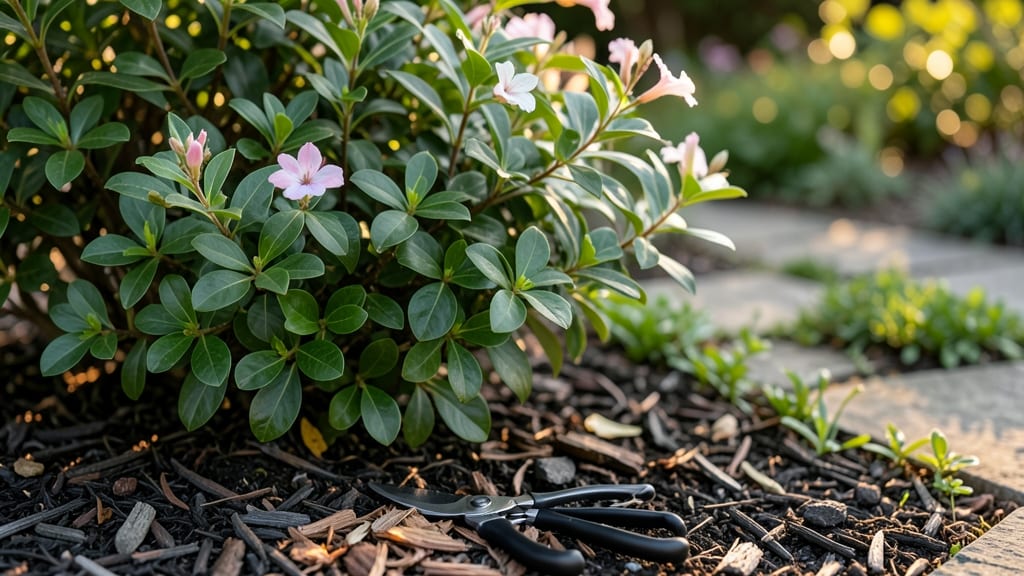
Pruning abelia plants transforms them from straggly shrubs into neat, blooming powerhouses—and the best part is, you can do it year-round. I’ve spent years shaping my abelia, and the difference between a well-pruned plant and one left to its own devices is night and day.
The key isn’t just cutting back; it’s understanding when and how to encourage that lush, glossy foliage and those clusters of fragrant flowers.
You’ll need just a few tools: sharp pruners for clean cuts, gloves to protect your hands, and maybe a small ladder if your abelia has grown tall. The real secret?
Pruning in stages—light cuts in spring to shape, heavier cuts in late winter to rejuvenate, and occasional trims in summer to encourage new growth. Most people make one big mistake: they prune too late in the season, leaving the plant vulnerable to winter damage.
Start early, and you’ll see those red-tipped stems popping up faster than you expect.
After pruning, your abelia will reward you with thicker foliage and more blooms than ever before. The new growth comes back vibrant and full, almost like it’s putting on a show just for you.
Within a few weeks, you’ll notice the plant filling out, with fresh leaves that smell faintly sweet and flowers that attract hummingbirds. It’s the kind of transformation that makes gardening feel like magic—no fancy tricks, just the right cuts at the right time.
This method works for all abelia varieties, whether you’ve got the classic Abelia × grandiflora or a newer hybrid. The principles stay the same: prune for shape, not just size, and always cut just above a leaf node to encourage new branches.
For those who’ve struggled with leggy or sparse abelias, this is your chance to turn things around. Let’s get those shears ready!
📚 In This Guide
- What you need
- Instructions
- Tips and common mistakes
- Wrapping up and next steps
What you need
- ● Pruning shears: Sharp, bypass-style shears (for clean cuts on smaller stems). Recommended size: 5-7 inches
- ● Loppers: For thicker stems (½ inch or larger). Look for long handles (24-30 inches) for leverage
- ● Hand pruners: For precision trimming of delicate growth. Avoid anvil-style pruners—they can crush stems
- ● Garden gloves: Heavy-duty, cut-resistant gloves to protect your hands from thorns and sharp edges.
- ● Disinfectant (70% isopropyl alcohol or pruning sealant): To sterilize tools between cuts and prevent disease spread.
- ● Rag or paper towels: For wiping tools clean before and after use.
- ● Bucket or trash bag: To collect pruned branches and debris.
- ● Pruning saw: For very thick stems (over 1 inch in diameter).
- ● Hose or water spray bottle: To rinse tools and clean sap off blades.
- ● Plant food or fertilizer: Lightly feed your Abelia after pruning to encourage new growth.
- ● Marking twine or flags: To label sections you plan to prune (helpful for large shrubs).
- ● Safety glasses: If your Abelia has thorny stems or you’re working near your face.
Instructions for pruning abelia plants to encourage healthy growth and blooms
Pruning abelia isn't just about shaping—it's about reviving blooms and keeping your plant thriving year-round.
Prune Immediately After Flowering to Stimulate New Growth
Start your pruning routine right after the abelia flowers fade in late summer or early fall. This is the key moment to encourage fresh blooms for next season. Using clean, sharp pruning shears, cut back the spent flower clusters to just above a set of healthy leaves or buds. I always make my cuts at a 45-degree angle about ¼ inch above the leaf node—this prevents water from pooling and causing rot.
Remove any weak, crossing, or diseased branches at the same time. You’ll notice the plant’s natural shape more clearly once the flowers are gone, making it easier to decide which branches to keep. Aim to open up the center of the plant to improve airflow and sunlight penetration, which reduces the risk of fungal issues.
Lightly Trim in Late Winter to Shape and Prepare for Spring
In late winter, just before new growth begins, give your abelia a light shaping trim. This is your chance to refine the plant’s form and remove any dead, damaged, or overly long branches. Focus on maintaining an open, airy structure—abelias thrive when they’re not too dense. Cut back any branches that are rubbing against each other or growing inward, as these can cause weak spots or disease.
I like to step back and look at the plant from all angles before making any cuts. If a branch is growing in a direction that disrupts the overall shape, trim it back to a strong outward-facing bud. Avoid heavy pruning at this stage—just enough to tidy up and encourage balanced growth. You’ll see fresh, vibrant new shoots emerging in early spring as a reward for this light touch.
Monitor and Prune Throughout the Growing Season for Health
During the growing season, keep an eye out for any branches that are growing too leggy, crossing, or showing signs of stress. Use your pruning shears to trim these back as needed, always cutting just above a leaf node or bud. This encourages the plant to branch out and fill in more densely. If you notice any yellowing or diseased leaves, remove them immediately to prevent the issue from spreading.
I also make it a habit to pinch back the tips of new growth in early summer if the plant starts to look too leggy. This trick forces the abelia to bush out rather than stretch upward, giving you a fuller, more compact plant. Just be careful not to overdo it—abelias respond best to gradual adjustments rather than drastic cuts.
Clean Up in Fall to Prepare for Winter Dormancy
As the growing season winds down in fall, do a final cleanup to prepare your abelia for winter. Remove any dead, diseased, or weak branches, and trim back any overly long growth to maintain the plant’s shape. This is also a good time to reduce the size of the plant slightly if it’s become too large for its space. Cut back the longest branches by about one-third to encourage a more compact form.
After pruning, give the plant a light application of mulch around the base to protect the roots from freezing temperatures. I always use a 2-3 inch layer of organic mulch, like shredded bark, to insulate the soil and retain moisture. This final step ensures your abelia stays healthy and ready to burst into bloom again next season.
Tips & tricks for perfect abelia plant pruning
Pruning abelia plants correctly can transform your garden—here are the key techniques that make all the difference.
Angle and Distance Matter: When you make those late summer cuts just above leaf nodes, always use a 45-degree angle about ¼ inch above the bud. This isn't just about looks—it creates a natural water runoff path that prevents rot. I've seen too many plants develop fungal issues because water pooled at the cut site. The slight angle also helps direct new growth in the right direction.
Seasonal Timing is Everything: The late winter trim (Step 2) deserves special attention because this is when you shape the plant's foundation for spring. I recommend working on a dry day when temperatures are above freezing—cold, wet conditions can stress the plant. This is also when you should avoid heavy pruning; think of it as a light haircut rather than a drastic makeover. The goal is to encourage balanced growth, not force dramatic changes.
Health Monitoring Throughout the Year: During the growing season (Step 3), I can't stress enough how important it is to remove diseased leaves immediately. Don't wait until they're completely yellow or brown—act at the first sign of trouble. I keep a small spray bottle of diluted neem oil handy for any branches I've trimmed, as it helps prevent fungal spores from taking hold. Also remember that abelias respond best to gradual pruning; never remove more than one-third of the plant's foliage in a single session.
Fall Cleanup Strategy: When you're doing that final fall trim (Step 4), focus on removing branches that are growing inward or crossing others. These are the ones that will compete for sunlight and nutrients, leaving your plant weaker. I like to use a small hand lens to examine each cut—this helps me ensure I'm cutting at the right angle and not leaving any stubs. After pruning, that 2-3 inch layer of organic mulch isn't just decoration; it's insulation that protects roots from temperature swings and retains moisture during winter.
Pro Tips for Abelia Plant Pruning
- Pruning abelia plants correctly can transform your garden—here are the key techniques that make all the difference.
- Angle and Distance Matter: When you make those late summer cuts just above leaf nodes, always use a 45-degree angle about ¼ inch above the bud.
- Seasonal Timing is Everything: The late winter trim (Step 2) deserves special attention because this is when you shape the plant's foundation for spring.
Frequently asked questions
Got questions about keeping your Abelia looking its best? Here are answers to the most common pruning dilemmas—so you can confidently shape and revive your plant year-round!
When is the best time to prune Abelia for maximum blooms?
The ideal window is late winter or early spring (just before new growth starts). Light pruning after flowering (summer) helps maintain shape, but avoid heavy cuts—this can reduce next year’s blooms. Pro tip: Never prune in fall; cold stress can harm tender stems!
Can I prune Abelia in winter? What if it’s already dormant?
Pruning dormant Abelia (winter) is safe, but focus on removing dead or crossing branches—avoid heavy shaping. If your plant looks frost-damaged (brown, brittle stems), wait until spring to assess and prune. Never prune into freezing temps (below 20°F/-7°C).
How much can I trim back my Abelia without killing it?
Abelia is hardy but hates drastic cuts. For established plants, trim back 1/3 of the plant max in one session. If overgrown, space cuts over 2–3 years to avoid shock. Young plants? Just shape lightly—they thrive with minimal pruning!
What should I do if my Abelia stops blooming after pruning?
Over-pruning (especially cutting old wood) can reduce blooms. Solution: Prune only after flowers fade (summer) and avoid trimming last year’s growth—this is where next year’s blooms form! Feed with balanced fertilizer in spring for a boost.
Can I use hedge trimmers on Abelia, or should I hand-prune?
For formal shaping, hedge trimmers work, but hand-pruning gives better control—especially for delicate stems. Use sharp bypass pruners for clean cuts. Warning: Trimmers can damage leaves; opt for them only for large, mature plants.
Wrapping up and next steps
Mastering Abelia plant pruning is your ticket to a lush, blooming shrub that thrives year-round!
By following seasonal guidelines—whether it’s light shaping in spring, rejuvenating cuts in late winter, or deadheading for continuous blooms—you’ll keep your Abelia healthy, vibrant, and full of life. 🌿 With the right tools and techniques, you’re well on your way to a stunning garden centerpiece.
Ready to take the next step? Grab your pruners, mark your calendar for seasonal tasks, and give your Abelia the care it deserves! Your garden (and future blooms) will thank you.