
Companion Plants
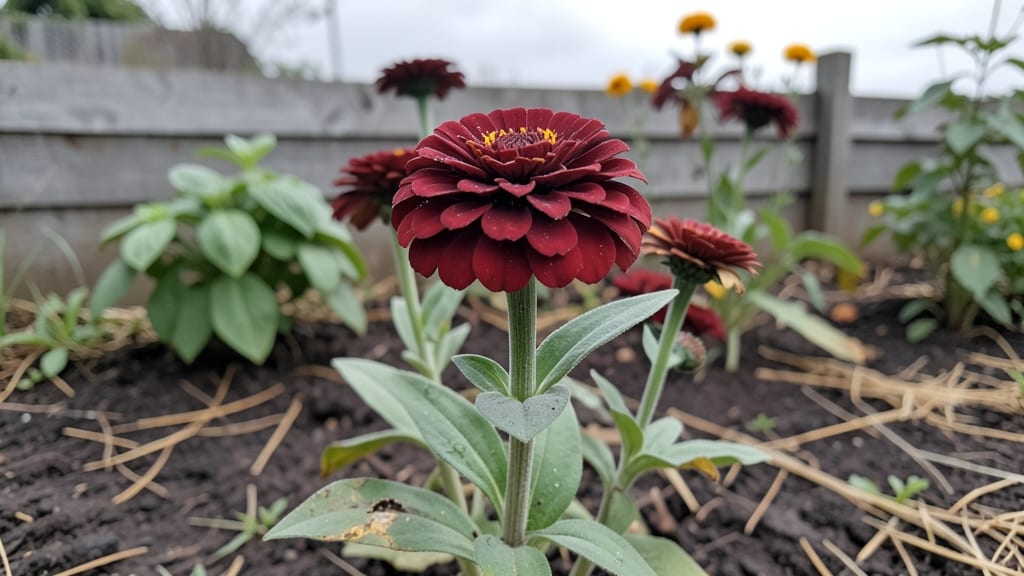
Double zinnia plants transform any garden into a pollinator paradise with their bold, layered blooms that keep color going long after summer fades. 🌟 I planted my first batch last spring after struggling with floppy, single-flowered zinnias that never stood up to rain—these doubles are the sturdy, showstopping upgrade I needed.
Their thick, papery petals hold up to humidity, and the way bees and butterflies swarm them makes every afternoon feel like a garden party.
The secret to growing them isn’t complicated: they thrive in full sun, well-draining soil, and moderate water—about 1 inch per week once established. Most gardeners overlook soil prep, but amending with compost before planting gives you those vibrant, deep colors instead of pale, leggy stems.
Start seeds indoors 6-8 weeks before last frost or sow directly after soil warms to 60°F, and you’ll have blooms by early summer that last until frost.
What makes doubles special isn’t just their looks—it’s their year-round value. Even after the main blooms fade, the seed heads add texture to winter arrangements, and the plants stay compact enough for container gardens or border edges.
Prune spent blooms to encourage more flowers, and watch them rebound with lush, velvety foliage that adds depth to any bed. The payoff? A garden that stays lively from June through November with almost no effort.
Pair them with shrub roses for height contrast or salvias to attract hummingbirds—both combinations extend the season and create movement in the garden. For city gardens or small spaces, try dwarf varieties like ‘Crystal’ or ‘Lilliput’ in 5-gallon containers.
The key is giving them space to breathe (12-18 inches apart) and avoiding overcrowding, which leads to mildew. With these basics, you’ll have zinnias that outperform the single-flowered varieties everyone else grows.
📚 In This Guide
- What you need
- Instructions
- Tips and common mistakes
- Wrapping up and next steps
What you need
- ● Double zinnia seeds or seedlings: Choose Zinnia elegans varieties like ‘Double Cherry’ or ‘Benary’s Giant’ for lush, double-layered blooms. Buy 20-50 seeds (or 3-5 seedlings) for a vibrant display.
- ● Well-draining potting mix: A 10-15 gallon bag of seed-starting mix (for seeds) or garden soil amended with compost (for transplants).
- ● Containers or garden bed: For seeds: 4-6 inch diameter pots (1 per seedling) or a seed tray with cells.
- ● For transplants: 12+ inch spacing in garden beds or 5-gallon pots (if container-growing).
- ● Fertilizer: A balanced, water-soluble fertilizer (e.g., 10-10-10) or slow-release granules (like 14-14-14) for long-term growth.
- ● Basic gardening tools: Trowel, pruners, and gloves (for handling seeds/soil).
- ● Watering can or hose with gentle spray nozzle (zinnias hate soggy roots!).
- ○ Optional but helpful: Grow lights or sunny windowsill (if starting seeds indoors).
- ● Mulch (e.g., straw or shredded leaves) to retain moisture.
- ● Stakes or cages (for tall varieties like ‘Benary’s Giant’).
- ● Sunlight: 6+ hours of full sun daily (zinnias thrive in heat!).
- ● Temperature: Plant seeds after the last frost when soil is at least 60°F (15°C).
- ● Watering routine: Keep soil consistently moist but not waterlogged (especially for seedlings).
How to grow double zinnia plants for stunning pollinator gardens
Here's my foolproof method for growing these velvety blooms—just follow these steps for 4 thriving plants that attract bees and butterflies all season.
🌱 Step 1: Prepare the Planting Site for Maximum Blooms
Zinnias thrive in full sun—choose a spot that gets at least 6-8 hours of direct sunlight daily. I always test the soil first by squeezing a handful: if it doesn't crumble easily when dry, amend it with 2-3 inches of compost mixed into the top 6 inches of soil. Double zinnias need well-draining soil to prevent root rot, so avoid low-lying areas where water pools.
Loosen the soil to a depth of 12 inches with a garden fork, breaking up any compacted layers. You'll see the difference immediately—the roots will spread easily through loose soil rather than struggling against dense earth. For containers, use a lightweight potting mix with added perlite to improve drainage.
🌱 Step 2: Sow Seeds at the Right Depth and Spacing
Sow seeds ¼ inch deep—any deeper and they'll struggle to reach the surface. I plant 2-3 seeds per hole spaced 12-18 inches apart in rows 18 inches apart. This gives each plant room to grow without competing for nutrients, which is especially important for double varieties that produce heavier blooms. Thin seedlings to the strongest one per spot once they reach 2 inches tall.
Water gently after planting to settle the soil around the seeds. You'll notice the soil surface should look slightly damp but not soggy—this prevents seeds from washing away or developing fungal issues. Keep the soil consistently moist (not wet) until germination, which typically occurs in 7-14 days depending on your climate.
☀️ Step 3: Provide Consistent Care for Lush Growth
Once seedlings emerge, maintain 1 inch of water per week, either from rainfall or irrigation. I water in the early morning so the foliage dries quickly, reducing the risk of powdery mildew—a common issue with zinnias. Always water at the base of the plant to keep leaves dry, which prevents fungal spores from taking hold.
Feed plants with a balanced liquid fertilizer (10-10-10) every 4-6 weeks during the growing season. You'll see a noticeable difference in bloom size and color intensity after the first feeding. Deadhead spent blooms regularly by pinching off flowers just above a set of leaves—this encourages continuous flowering throughout the season.
✂️ Step 4: Prune for Stronger Stems and More Blooms
Pinch back the tips of young plants when they reach 6 inches tall to encourage bushier growth. This simple step prevents leggy stems and produces more side shoots, each capable of bearing multiple blooms. I always use clean, sharp scissors to make cuts just above a leaf node—this prevents damage to the stem and promotes faster healing.
For established plants, cut back any woody or overgrown stems in early spring to rejuvenate growth. You'll see fresh, vibrant new shoots emerge within 2-3 weeks of pruning. Avoid cutting into old wood, as zinnias don't regrow from hardened stems. Regular pruning also improves air circulation, which helps prevent diseases like rust and powdery mildew.
🪴 Step 5: Extend the Blooming Season with Proper Care
To keep zinnias flowering until frost, remove spent blooms consistently and fertilize lightly every 4 weeks in fall. I often mulch around the base with 2-3 inches of straw to insulate roots and retain moisture. This simple step can extend blooming by 2-4 weeks in cooler climates, giving you more time to enjoy their velvety petals.
In colder regions, bring potted zinnias indoors before the first frost and place them in a sunny window. They'll go dormant but can often be revived in spring with proper care. For garden plants, cut back stems to 4-6 inches in fall and add a layer of mulch to protect roots over winter—many zinnias resprout in spring with minimal effort.
Tips & tricks for perfect double zinnia growth
These game-changing insights will help you cultivate double zinnias that rival professional gardens—just follow these secrets I've perfected over years of growing.
Soil Preparation Secret: In Step 1, when amending your soil with compost, I recommend adding a handful of garden lime if your area has acidic soil (test with a pH kit). Double zinnias thrive in slightly alkaline soil with a pH between 6.0-7.0. You'll notice the difference immediately in vibrant color and robust growth—especially important for those velvety double blooms that need extra nutrients to support their heavier petals.
Germination Hack: For Step 2, if you're planting in cooler climates where germination takes longer than the typical 7-14 days, try soaking seeds in warm water for 24 hours before planting. This jumpstarts the process and gives you a head start. I also recommend using a heat mat set to 75°F under seed trays—this can cut germination time by half while keeping seeds safe from dampness-related diseases.
Watering Wisdom: The 1 inch per week guideline in Step 3 works perfectly in ideal conditions, but I've found that double zinnias actually benefit from slightly more frequent watering—especially during their peak blooming season. Water 2-3 times per week instead, giving them ½ inch each time, to maintain consistent moisture without waterlogging. The key is to keep the soil evenly moist but never soggy, particularly important for those heavy double blooms that can weigh down stems.
Pruning Technique: When pinching back tips in Step 4, I recommend using your thumb and forefinger to gently pinch rather than cutting with scissors for the first few prunings. This creates a cleaner break and prevents any potential disease entry points. For established plants, I always prune on a dry, sunny morning when the plants are fully turgid—this helps them recover faster and minimizes stress. The 2-3 week regrowth time mentioned is actually a bit conservative; with proper care, you'll often see new shoots in just 10-14 days.
Pro Tips for Double Zinnia Plants
- These game-changing insights will help you cultivate double zinnias that rival professional gardens—just follow these secrets I've perfected over years of growing.
- Soil Preparation Secret: In Step 1, when amending your soil with compost, I recommend adding a handful of garden lime if your area has acidic soil (test with a pH kit).
- Germination Hack: For Step 2, if you're planting in cooler climates where germination takes longer than the typical 7-14 days, try soaking seeds in warm water for 24 hours before planting.
Frequently asked questions
Got questions about growing double zinnia plants?
You’re not alone! Here are some of the most common queries—plus quick, actionable answers to help your garden thrive.
What’s the best time to plant double zinnia seeds?
Double zinnias love warmth! Start seeds indoors 6–8 weeks before your last frost (around early spring) or directly sow outdoors after soil temps hit 70°F+ (usually late spring or early summer). They’re frost-sensitive, so wait until nighttime temps stay above 50°F. For year-round color, stagger plantings every 2–3 weeks.
How long does it take for double zinnias to flower?
Patience pays off! From seed, expect 60–70 days to first bloom, though some varieties may take slightly longer. Once planted as seedlings, flowers typically appear in 4–6 weeks. Deadhead spent blooms to encourage nonstop color—your pollinator friends will thank you!
Are double zinnias as attractive to pollinators as single-petal zinnias?
While single-petal zinnias are pollinator superstars (thanks to their open centers), double zinnias still draw bees, butterflies, and hummingbirds—just in smaller numbers. For maximum buzz, plant them alongside single varieties or pair with other pollinator magnets like cosmos or salvias.
Why aren’t my double zinnias blooming? Troubleshooting tips!
If your zinnias are all leaves and no flowers, check these fixes:
- Not enough light: Move to full sun (6+ hours/day).
- Over-fertilizing: Too much nitrogen = lush foliage, fewer blooms. Use a low-nitrogen, high-phosphorus fertilizer instead.
- Crowded plants: Thin seedlings to 12–18 inches apart for airflow and sunlight.
- Leggy stems: Pinch back tips to encourage bushier growth and more blooms.
Can double zinnias survive winter? How to extend their season?
Double zinnias are annuals in most climates, but you can trick them into lasting longer! In mild winters (Zones 8–10), they may self-seed or persist until frost. For cooler areas, cut back plants in fall, mulch heavily, and protect with row covers. For year-round color, sow new seeds every 2–3 weeks from spring to early summer.
Wrapping up and next steps
Double zinnias are a game-changer for pollinator gardens—packing vibrant blooms, year-round color, and effortless charm! 🌸 Whether you’re a seasoned gardener or just starting, their resilience and beauty make them a must-have. Ready to transform your outdoor space? Pick your spot, gather your tools, and plant with confidence!
Your next step? Experiment with companion plants—like marigolds or lavender—to create an even more thriving ecosystem. Happy gardening! 🌿