
Companion Plants
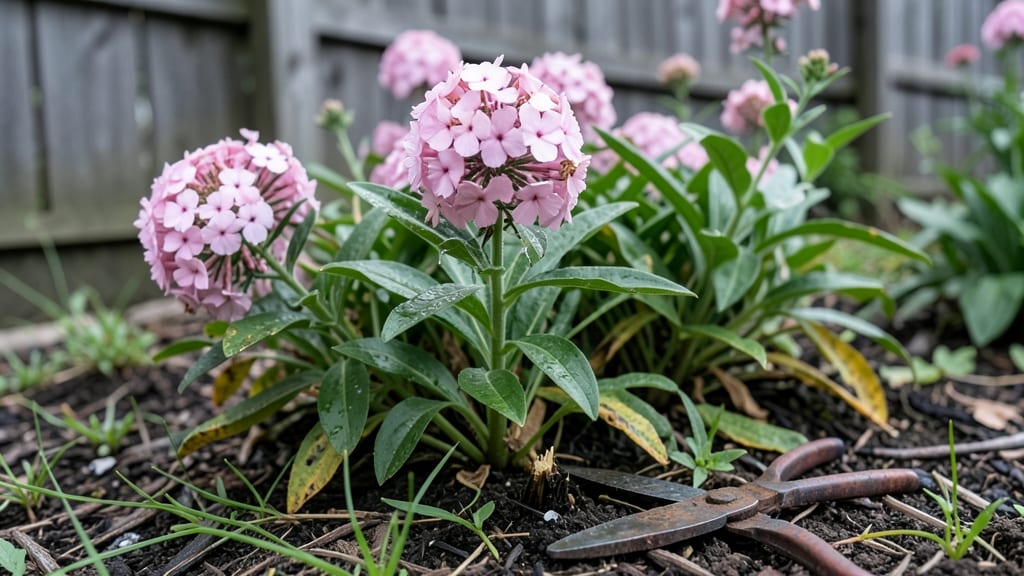
Dividing phlox plants is the best way to keep your 🌸 blooms lush and your garden looking full without the chaos of overcrowding.
Struggling with phlox plants that look crowded and bloom less than expected? Dividing your phlox clumps isn’t just about reclaiming space—it’s the secret to rejuvenating your garden and unlocking vibrant, healthy blooms every season.
If you’ve ever watched your phlox struggle to thrive in Zone 6a or later, you know how quickly they can go from showstopper to sad. The right timing and technique make all the difference—spring or early fall are your best bets for splitting clumps without stressing the roots.
Below, I’ll walk you through when and how to divide your phlox, the tools you’ll need, and the simple steps to ensure your plants bounce back stronger than ever.
When to divide phlox plants for optimal growth and blooms
Dividing your phlox plants is one of the best ways to keep them thriving and blooming abundantly. When done correctly, this simple process can rejuvenate your garden beds and create more vibrant displays.
The key is timing—dividing at the wrong time can stress your plants and reduce next year’s flowering potential. Let’s explore the ideal timing, seasonal considerations, and how to spot when your phlox needs dividing before it’s too late.
Most gardeners agree that early spring or early fall are the best times to divide phlox. These seasons offer cooler temperatures and active growth, giving your plants the best chance to recover.
In USDA Zone 6a (like much of the Midwest), I recommend dividing in April or early May before the heat sets in, or in September after the first signs of fall blooming have faded. This timing ensures your phlox has enough time to establish new roots before winter dormancy.
If you live in warmer climates (Zones 7-9), your window might shift slightly. In these regions, dividing in late winter or early spring (February-March) or late summer to early fall (August-September) works best.
The goal is to avoid dividing during peak summer heat or winter dormancy, as both can shock the plant and lead to poor regrowth. Always check your local last frost date—dividing too early can expose tender roots to frost damage.
Before you even pick up your shovel, learn to recognize the signs your phlox needs dividing. One of the most obvious clues is a declining bloom quality. If your phlox flowers are smaller, fewer, or less vibrant than in previous years, it’s likely overcrowded.
Another red flag is a bare center in the clump, where the middle has died back while the outer edges continue to grow. This happens because older stems in the center compete for nutrients with younger, healthier growth.
If you see yellowing leaves or stunted growth, it’s time to act.
Overcrowding also creates the perfect conditions for disease and pests. Poor air circulation in dense clumps traps moisture, inviting fungal infections like powdery mildew. If you notice white powdery spots on leaves or chewed foliage from pests, dividing can improve airflow and reduce stress on your plants.
Pro tip: If your phlox hasn’t been divided in 3-4 years, it’s almost certainly past due—even if it still looks okay!
Now, let’s talk about what happens if you wait too long to divide. Skipping this step can lead to permanent decline in your phlox’s health. Overcrowded plants become root-bound, meaning their roots grow in a tight circle and struggle to access nutrients or water.
This stress weakens the plant, making it more susceptible to drought, disease, and winter damage. In extreme cases, the center of the clump may die completely, leaving you with a ring of healthy growth around a dead center.
Dividing early prevents this and keeps your phlox looking its best.
Here’s a quick seasonal checklist to help you decide when to divide:
- Spring (April-May): Best for most regions; plants are waking up and ready to grow.
- Early Fall (September): Ideal for cooler climates; gives roots time to establish before winter.
- Avoid Summer (June-August): Heat stress can kill divided sections.
- Avoid Winter (December-February): Dormant plants won’t recover well from division.
If you’re unsure whether your phlox needs dividing, dig up a small section of the clump and examine the roots. If you see a tight, circular root ball with few new roots on the outside, it’s time to split.
Healthy phlox roots should spread outward and have a mix of white new growth and brown older roots. This visual check is one of the easiest ways to confirm whether your plants are ready for division.
One common mistake I see is dividing phlox during flowering season. If you split your plants while they’re in bloom, you’ll sacrifice next year’s flowers for this year’s display. Always wait until the blooms have faded and the plant is focused on root and foliage growth rather than flowering.
This ensures your divided sections have the energy they need to recover and thrive.
Finally, consider your local climate when planning. In dry regions, dividing in early fall gives roots time to establish before summer drought sets in. In humid areas, dividing in late winter reduces the risk of fungal diseases that thrive in damp conditions.
Pay attention to your phlox’s growth cycle and adjust timing accordingly—your plants will thank you with bigger, brighter blooms next season!
🌸