
Companion Plants
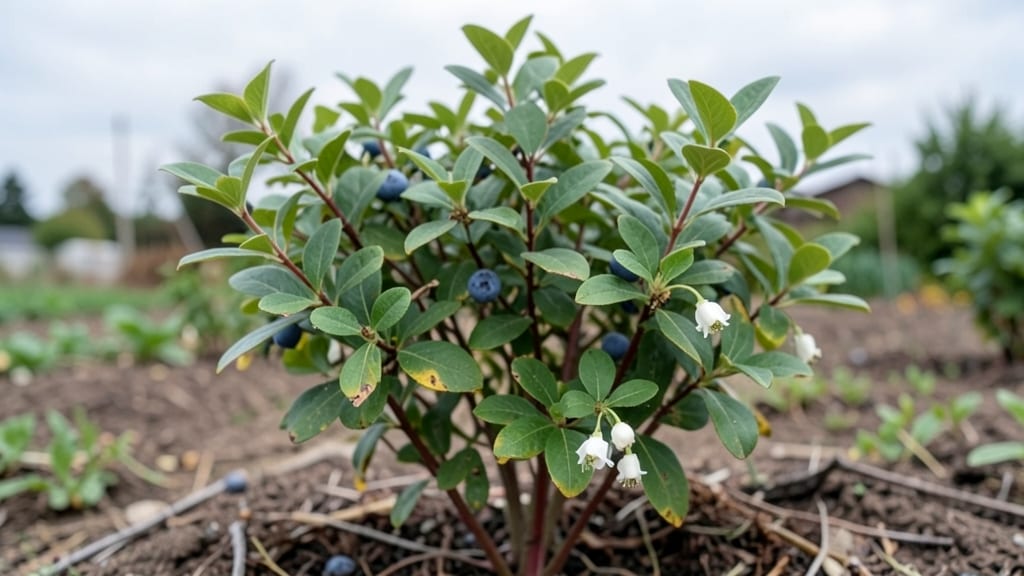
Growing Dimeo blueberry plants changed how I think about small-space gardening—these compact shrubs deliver year-round color and pollinator-friendly blooms without taking over your yard. 🌿 I planted mine last spring in a 15-gallon pot, and by summer, they were buzzing with bees while my neighbors' empty flowerbeds sat dormant.
The key isn't just the space they save, but how effortlessly they blend into any garden style, from cottage to modern.
These blueberries thrive in partial sun and tolerate urban conditions better than most shrubs. The soil mix needs to be acidic (pH 4.5-5.5) and well-draining—think peat moss or pine bark mixed with compost. Container growers get an extra advantage: you can control the soil chemistry perfectly, which is harder in-ground.
Watering's simple too: keep the roots consistently moist but never soggy, especially during the first growing season when roots establish.
By late spring, you'll see those signature violet-blue flowers that attract pollinators, followed by tiny black berries in summer. The real magic happens in fall and winter when the foliage turns shades of burgundy and gold, keeping your garden vibrant even when other plants fade.
Pruning's minimal—just trim back any dead wood in early spring—but the payoff is a shrub that looks good all season long.
Perfect for balconies, small yards, or even as foundation plantings. The only catch? You'll need at least two plants for cross-pollination if you want berries—but even without fruit, the flowers and foliage make them a standout choice. Let's get yours planted before next spring!
📚 In This Guide
- What you need
- Instructions
- Tips and common mistakes
- Wrapping up and next steps
What you need
- ● Dimeo blueberry plants (1–3 plants for a pollinator-friendly cluster; choose Dimeo® ‘Blueberry Lemon Sorbet’ for its striking foliage and berries).
- ● Well-draining potting mix (50% peat moss, 30% perlite, 20% sand; sterilized to prevent disease).
- ● Container or garden bed: Containers: 15–20 gallon pots (1 per plant) with drainage holes.
- ● Garden beds: Full sun (6+ hours/day) with acidic soil (pH 4.5–5.5).
- ● Slow-release fertilizer (10-10-10 or acidic blueberry-specific blend; 1 tbsp per plant).
- ● Mulch (2–3 inches of pine bark or wood chips to retain moisture and acidity).
- ● Garden trowel or spade (for transplanting).
- ● Pruning shears (sterilized; for shaping and deadheading).
- ● pH testing kit (to monitor soil acidity).
- ● Watering can or hose with gentle spray nozzle (avoid overhead watering).
- ○ Gloves (optional but recommended for handling soil/pruners).
- ● Epsom salt (1 tsp per gallon of water; monthly foliar spray for magnesium).
- ● Pollinator-friendly companions (e.g., lavender, bee balm, or coneflowers nearby).
- ● Drip irrigation system (for consistent moisture in containers).
- ● Blueberry plant support (stakes or cages if stems get top-heavy).
Step-by-step guide to planting and caring for Dimeo blueberry shrubs
Here's how to establish thriving, pollinator-friendly Dimeo blueberry shrubs that reward you with vibrant blooms and seasonal interest.
🌱 Step 1: Select the Perfect Planting Site
Dimeo blueberries thrive in full sun to partial shade, with at least 6 hours of direct sunlight daily. Choose a location with well-draining soil—these shrubs despise soggy roots. If your soil is heavy clay, amend it with 2-3 inches of compost mixed into the top 12 inches of soil before planting.
I always test the soil pH first—Dimeo varieties prefer acidic conditions (4.5-5.5). If your soil tests higher, add sulfur or peat moss to lower the pH gradually. Plant in early spring when the ground is workable but before new growth begins. This gives roots time to establish before summer heat arrives.
🪴 Step 2: Dig and Prepare the Planting Hole
Dig a hole twice as wide as the root ball but no deeper—this prevents root suffocation. Gently loosen the roots if they're circling tightly in the container. Place the plant in the hole so the top of the root ball sits level with the surrounding soil (never buried deeper).
Backfill with a mix of native soil and 50% compost to encourage microbial activity. Water deeply to settle the soil and eliminate air pockets. I like to add a slow-release fertilizer (like 10-10-10) at planting time to give young plants a nutrient boost. Mulch with 2-3 inches of pine bark or wood chips to retain moisture and suppress weeds.
☀️ Step 3: Water and Monitor Early Growth
Keep the soil consistently moist (not soggy) for the first 4-6 weeks—this is critical for root establishment. Water deeply 2-3 times per week, adjusting for rainfall. You'll know you're watering correctly when the top 2 inches of soil feel slightly damp but not waterlogged.
Dimeo blueberries are drought-tolerant once established, but young plants need consistent moisture. Avoid overhead watering—it can spread fungal diseases. Instead, water at the base using a soaker hose or drip irrigation. Watch for new leaf growth in 4-6 weeks—this confirms roots are actively growing.
✂️ Step 4: Prune for Shape and Health
Prune in late winter or early spring before new growth begins. Remove dead, diseased, or crossing branches first. Then, thin out 1/3 of the oldest stems at ground level to encourage new, vigorous growth. This keeps the shrub compact and improves air circulation.
For shaping, cut back overly long branches to maintain a natural, open form. Never remove more than 25% of the plant in one season—this stresses the shrub. After pruning, apply a layer of mulch to protect roots and retain moisture. You'll see fresh green growth within 2-3 weeks—this is your reward for proper pruning.
🌿 Step 5: Maintain for Seasonal Interest
Fertilize annually in early spring with an acid-loving plant fertilizer (like 8-3-9 with iron). Water deeply after applying to distribute nutrients evenly. Dimeo blueberries produce vibrant flowers in early spring, followed by foliage that turns shades of purple and orange in fall.
Deadhead spent flowers in late spring to redirect energy to foliage growth. In fall, remove any remaining leaves with signs of disease to prevent overwintering pests. These shrubs are pollinator magnets—you'll see bees, butterflies, and hummingbirds visiting regularly once established.
Tips & tricks for perfect Dimeo blueberry shrubs
Transforming your garden into a pollinator paradise with Dimeo blueberries starts with these essential tips that will help you avoid common pitfalls and maximize your shrubs' potential.
Soil pH Precision: Testing your soil pH before planting is non-negotiable—these blueberries demand that acidic range of 4.5-5.5. I've seen gardeners skip this step and end up with stunted growth. Use a reliable soil test kit from your local garden center, and if you need to lower pH, apply sulfur gradually over several months rather than all at once. The goal is steady acidification, not shock treatment. Remember, sulfur takes about 2-3 months to fully adjust soil pH.
Root Ball Preparation: When removing your Dimeo blueberry from its container, gently tease apart any circling roots you find. These roots can strangle new growth if left intact. I've made the mistake of planting with tightly bound roots, and while the plant survived, it took nearly twice as long to establish properly. Also, avoid disturbing the root ball more than necessary—these shrubs are sensitive to root damage. The key is to handle them like delicate glassware: firm but gentle.
Watering Strategy: Those first 4-6 weeks are make-or-break for root establishment. I recommend setting up a simple drip irrigation system on a timer for 15 minutes twice daily during this critical period. This ensures consistent moisture without the risk of fungal diseases from overhead watering. Pro tip: Water at the base in the morning so foliage has all day to dry, preventing fungal spores from taking hold. You'll notice new leaf growth within 4-6 weeks if you're watering correctly.
Pruning Timing: Late winter pruning is your secret weapon for vibrant growth. I always prune just before the first signs of new buds appear—this gives the plant maximum time to recover before summer's heat arrives. When thinning out those oldest stems, cut them back to the ground rather than making angled cuts. This encourages vigorous new growth from the base while maintaining the shrub's natural shape. Think of it as giving your blueberry a fresh start each year.
Pro Tips for Dimeo Blueberry Plants
- Transforming your garden into a pollinator paradise with Dimeo blueberries starts with these essential tips that will help you avoid common pitfalls and maximize your shrubs' potential.
- Soil pH Precision: Testing your soil pH before planting is non-negotiable—these blueberries demand that acidic range of 4.5-5.5.
- Root Ball Preparation: When removing your Dimeo blueberry from its container, gently tease apart any circling roots you find.
Frequently asked questions
Got questions about growing Dimeo blueberry plants? You’re not alone! Here are some of the most common queries—plus straightforward answers to help you cultivate these pollinator-friendly shrubs with confidence.
How fast do Dimeo blueberry plants grow?
Dimeo blueberries grow at a moderate pace, typically adding 12–18 inches per year under ideal conditions. With proper care—like well-draining soil and consistent watering—they’ll reach their mature height of 3–5 feet in 3–5 years. Patience pays off, but they’re worth the wait for their year-round color!
When is the best time to plant Dimeo blueberry bushes?
For optimal success, plant in early spring or fall when soil temperatures are cool (50–70°F). Avoid extreme heat or frost, as young roots are sensitive. If you’re in a warmer climate, fall planting (6–8 weeks before first frost) gives roots time to establish before summer stress. Pro tip: Amend soil with compost before planting!
Are Dimeo blueberries truly pollinator-friendly?
These shrubs are a magnet for bees, butterflies, and hummingbirds thanks to their spring blooms and summer berries. The Dimeo series is bred for low-maintenance pollinator support, making them a standout choice for eco-friendly gardens. Pair them with native wildflowers for even more buzz!
How often should I water Dimeo blueberry plants?
Keep soil consistently moist but not soggy—especially in the first year. Water deeply 1–2 times per week (more in extreme heat) and mulch to retain moisture. Mature plants are drought-tolerant but produce better berries with steady hydration. Morning watering prevents fungal issues and encourages strong root growth.
Why aren’t my Dimeo blueberries fruiting?
No berries? Check these common culprits:
- Age: Plants need 2–3 years to mature and fruit.
- Pollination: Hand-pollinate with a brush if bees are scarce.
- Soil pH: Blueberries thrive in acidic soil (4.5–5.5)—test and amend with sulfur if needed.
- Sunlight: Ensure 6+ hours of sun daily for optimal flowering.
Wrapping up and next steps
Growing Dimeo blueberry plants isn’t just about adding beauty to your garden—it’s a gift to pollinators and a treat for your senses year-round! 🌸 With their vibrant blooms, low-maintenance care, and delicious berries, these shrubs are a win-win for both your landscape and local wildlife.
Whether you’re a seasoned gardener or just starting out, their resilience and versatility make them an easy and rewarding choice.
Ready to take the next step? Start by selecting the perfect spot in your garden—sunny, well-drained, and full of potential—and watch your Dimeo blueberries thrive. Happy planting! 🌱