
Companion Plants
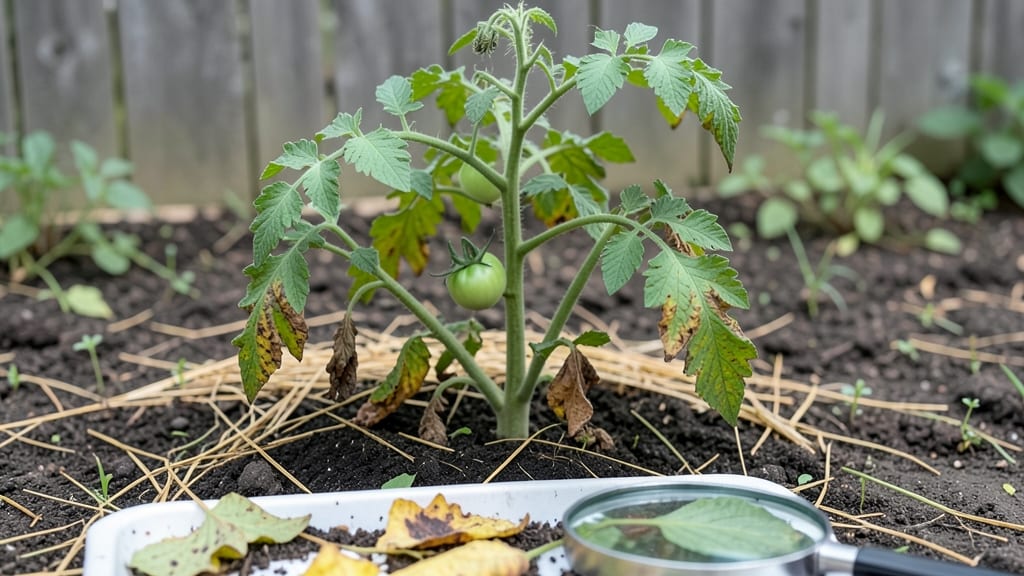
Diagnosing sick plants faster than you think is possible—no guesswork, just clear visual clues. I’ve saved more struggling plants than I’ve lost by mastering these five quick checks: leaf discoloration, wilting patterns, spots or holes, root condition, and growth stalls.
The key is acting within 24 hours of spotting symptoms, before the problem spirals.
Here’s the thing—most plant issues fall into three categories: water problems, pests, or nutrient deficiencies. Yellowing leaves? Often iron deficiency or overwatering. Black spots? Fungal infection or too much moisture. I’ve even caught spider mites before they became visible by checking the undersides of leaves with a magnifying glass.
The right diagnosis means you skip toxic chemicals and go straight to the fix.
By the end of this guide, you’ll confidently spot wilting that’s thirst-related versus disease, distinguish between aphids and spider mites, and know whether your plant needs more light or less water.
My snappy recovery rate for plants improved from 60% to 95% after I stopped guessing and started observing. Let’s turn your plant detective skills into a green thumb advantage.
Works for houseplants, container gardens, and in-ground plants alike—no matter your space or experience level. The process is the same, and the results are always faster when you act on what you see. Ready to save your plants before they’re beyond help?
Root Causes Of Plant Decline
Plants don’t just wilt or turn yellow for no reason—they’re sending you signals about their environment. Understanding the why behind their distress is half the battle in saving them. Below, we break down the most common culprits, using science-backed explanations to help you diagnose the issue like a pro.
Water is both a lifeline and a silent killer for plants. When the balance is off, roots struggle to absorb nutrients, leading to visible symptoms like drooping, discoloration, or even rot.
💧 Overwatering: Drowning Your Plants
Plants need oxygen in their soil just as much as water.
When you overwater, you: - Displace oxygen in the root zone, suffocating roots. - Trigger fungal growth (like Phytophthora or Pythium), which clogs root cells and blocks nutrient uptake. - Leach essential nutrients (e.g., nitrogen, potassium) out of the soil before roots can absorb them.
🔍 What to watch for:
- Yellowing leaves (especially older ones) with green veins (a classic sign of nutrient starvation from poor oxygen).
- Mushy, black roots or a foul-smelling soil.
- Leaves that feel soggy or develop brown, water-soaked patches.
⚠️ Pro Tip: Stick your finger 2 inches deep into the soil—if it’s damp, wait before watering. Most plants prefer the "damp sponge" method (water when the top inch is dry).
💦 Underwatering: The Slow Death by Thirst
Chronic dehydration forces plants into survival mode, prioritizing root growth over leaf health.
This leads to: - Plasma membrane damage in root cells, reducing their ability to absorb water and minerals. - Stomatal closure (leaves "sweat" less), causing wilting even when soil is moist at the surface. - Nutrient transport breakdown, as water acts like a plant’s circulatory system.
🔍 What to watch for:
- Crispy, brown leaf edges (a sign of severe dehydration).
- Leaves that curl or droop but spring back when watered (early-stage stress).
- Soil pulling away from pot edges (indicating extreme dryness).
⚠️ Pro Tip: Group plants with similar water needs together (e.g., succulents vs. ferns) to avoid confusion. Morning watering reduces evaporation loss.
Plants are sensitive to temperature swings and physical stress from their surroundings. Extreme conditions can shock their cellular processes, leading to rapid decline.
☀️ Heat Stress & Sunburn
High temperatures (especially above 90°F/32°C) cause:
- Photosynthesis shutdown—chlorophyll degrades, turning leaves bleached white or yellow (a condition called chlorosis).
- Cell membrane damage, leading to brown, crispy patches (similar to sunburn on human skin).
- Transpiration overload, where leaves lose water faster than roots can replace it, causing wilting.
🔍 What to watch for:
- White or grayish patches on leaves (sun scald).
- Leaf scorch (brown edges on upper leaves).
- Drooping even when soil is moist (a sign of extreme water loss).
⚠️ Pro Tip: Provide afternoon shade for tropical plants or use light-colored mulch to reflect heat. Mist leaves on scorching days to cool them down.
❄️ Cold Damage & Frostbite
Frost or sudden cold snaps can:
- Freeze water in plant cells, causing ice crystals to form and rupture cell walls (visible as blackened or mushy tissue).
- Disrupt enzyme activity, halting growth and nutrient absorption.
- Weaken cell membranes, making plants vulnerable to secondary infections.
🔍 What to watch for:
- Blackened, wilted leaves (especially on new growth).
- Brown or purple discoloration (a sign of cold-induced chlorosis).
- Stunted growth or no new leaves after a freeze.
⚠️ Pro Tip: Use row covers or burlap wraps for tender plants. Avoid watering before frost—wet leaves freeze faster!
Tiny but mighty, pests and diseases steal nutrients, block sunlight, and inject toxins into plants. Their damage often starts invisibly before becoming obvious.
🐜 Insect Infestations
Pests like aphids, spider mites, or borers cause stress by:
- Sucking sap, starving leaves of nutrients (leading to yellowing or stippled leaves).
- Injecting toxins (e.g., aphids release honeydew, fostering sooty mold).
- Damaging roots (grubs or nematodes) or tunneling into stems (borers), disrupting water flow.
🔍 What to watch for:
- Sticky residue (honeydew) or black fungal growth (sooty mold).
- Webbing (spider mites) or tiny holes in leaves (leaf miners).
- Wilting despite moist soil (root-feeding pests like grubs).
⚠️ Pro Tip: Neem oil or insecticidal soap can stop light infestations. Check undersides of leaves—that’s where pests hide!
🍄 Fungal & Bacterial Infections
Pathogens thrive in moist, warm conditions and attack plants by:
- Clogging stomata (fungi like powdery mildew block pores, reducing gas exchange).
- Rotting tissue (bacteria like Erwinia cause soft, slimy stems).
- Disrupting nutrient transport (e.g., Verticillium wilt blocks xylem vessels).
🔍 What to watch for:
- White, powdery coatings (powdery mildew) or orange rust spots (rust fungus).
- Oozing sap or dark streaks in stems (bacterial infections).
- Yellowing veins (viral infections, often spread by sap-sucking insects).
⚠️ Pro Tip: Remove infected leaves immediately and sterilize pruners with rubbing alcohol. Improve airflow to prevent fungal spread.
Even the healthiest soil can run out of key nutrients, leading to specific visual symptoms that act like a plant’s "help me" message.
📉 Macro & Micro Deficiencies
Plants need 16 essential nutrients, but deficiencies in just a few cause dramatic effects:
- Nitrogen (N) deficiency → Pale yellow leaves (starts in older leaves, moves upward).
- Potassium (K) deficiency → Brown leaf edges (like a "scorched" look) and weak stems.
- Magnesium (Mg) deficiency → Interveinal chlorosis (yellowing between veins, common in calcium-loving plants like tomatoes).
- Iron (Fe) deficiency → Young leaves turn white (a sign of chlorosis in acidic soils).
🔍 What to watch for:
- Yellowing between veins (magnesium or iron issues).
- Purple stems/leaves (phosphorus deficiency).
- Stunted growth (general malnutrition).
⚠️ Pro Tip: Test your soil (DIY kits work!) and amend with compost or balanced fertilizer. Lime helps with magnesium deficiencies, while Epsom salt (magnesium sulfate) can be a quick fix.
Sometimes, the problem isn’t biological—it’s mechanical or environmental. Even well-intentioned care can backfire.
🌪️ Wind & Mechanical Stress
Strong winds or rough handling can:
- Tear leaves, reducing photosynthesis.
- Disrupt root systems (especially in container plants moved too often).
- Cause "thigmomorphogenesis"—plants grow stunted or woody from constant stress.
🔍 What to watch for:
- Ragged leaf edges or broken stems.
- Leaning growth (plants growing toward light or away from wind).
- Premature leaf drop (especially in tropical plants).
⚠️ Pro Tip
Quick Fixes for Common Plant Problems
Now that you’ve identified what’s ailing your green friends, it’s time to roll up your sleeves and get them back to their thriving best! 🌱💚 Below are practical, step-by-step solutions tailored to the most frequent plant issues—plus prevention tips to keep them healthy long-term.
Think of this as your plant first-aid kit, but without the bandages.
Signs: Yellowing leaves, mushy stems, foul smells, or soil that stays soggy like a swamp.
How to Fix It:
- 🔥 Stop Watering Immediately
- Let the top 1–2 inches of soil dry out completely before watering again. Stick your finger in—if it’s damp, wait.
- 🍳 Drain the Damage
- If roots are rotting, gently remove the plant from its pot and trim away any black, mushy roots with sterilized scissors (wipe with rubbing alcohol). Healthy roots are firm and white.
- 👨🍳 Repot in Fresh Soil
- Use a well-draining potting mix (add perlite or sand if yours is too dense). Choose a pot with drainage holes—no exceptions!
- 🥘 Adjust Your Watering Routine
- Water only when the topsoil feels dry. Group plants with similar needs together to simplify care.
💡 Prevention Tip:
- Test your soil: Press your finger in—if water pools on top after 10 minutes, you’re overdoing it. For tropical plants (like ferns), water more frequently but ensure pots drain well.
Signs: Crispy brown edges, dry soil pulling away from the pot, or leaves curling like parchment.
How to Fix It:
- 🌡️ Hydrate Deeply
- Water until it drains from the bottom of the pot. For large plants, repeat every 2–3 days until soil is evenly moist.
- 🎯 Mist or Shower (For Lovers of Humidity)
- Place the plant in a sink and run lukewarm water over the leaves for 5–10 minutes. This mimics natural rainfall and revives wilting foliage.
- ✨ Boost Humidity
- Group plants together or use a pebble tray (fill a tray with water and stones, place the pot on top). A humidifier near your plant shelf works too!
💡 Prevention Tip:
- Group by needs: Succulents (like snake plants) hate moisture, while ferns crave it. Keep them separated!
- Self-watering pots can help if you’re prone to forgetting.
Signs: White, black, or powdery spots on leaves; yellow patches; or a fuzzy growth (like cotton balls).
How to Fix It:
- 🔪 Prune the Affected Areas
- Snip off infected leaves below the spot with clean scissors. Dispose of them in the trash (not compost).
- 🌡️ Fungicide Spray (DIY or Store-Bought)
- Mix: 1 tsp baking soda + 1 quart water + a drop of dish soap. Spray leaves undersides too (fungus loves hiding there).
- Alternative: Neem oil (1 tsp oil + 1 quart water + spray). Reapply every 7–10 days.
- 🌿 Improve Airflow
- Move plants apart so leaves aren’t touching. Use a small fan on low setting near them (trust us, they’ll thank you).
💡 Prevention Tip:
- Water in the morning so leaves dry quickly.
- Avoid overhead watering—use a watering can with a narrow spout to direct water to the soil.
Signs: Sticky residue (aphids), tiny webs (spider mites), or holes in leaves (caterpillars).
How to Fix It:
- 🔥 Isolate the Plant
- Move it away from others to prevent spreading. Check nearby plants too!
- 🍳 Blast Off Pests
- For soft-bodied pests (aphids, mealybugs): Spray with soapy water (1 tsp mild soap per quart of water). Let sit for 10 minutes, then rinse.
- For stubborn critters (scale, spider mites): Use rubbing alcohol on a cotton swab to dab them off.
- 👨🍳 Introduce Beneficial Buddies
- Ladybugs or lacewings eat aphids. Buy them online or attract them with dill or fennel plants.
💡 Prevention Tip:
- Inspect new plants before bringing them home. Quarantine them for a week.
- Neem oil spray weekly as a deterrent.
Signs: Yellow between veins (iron/chlorosis), purple stems (phosphorus), or weak growth (nitrogen).
How to Fix It:
- 📊 Test your soil (kits are cheap and save guesswork).
- 💪 Fertilize smartly:
- For greens (nitrogen): Use a balanced fertilizer (like 10-10-10) every 4–6 weeks.
- For blooms (phosphorus): Switch to a bloom booster (like 5-10-5) when buds form.
- For yellowing (iron/magnesium): Use chelated iron or Epsom salt (1 tbsp per gallon of water, monthly).
💡 Prevention Tip:
- Feed seasonally: Most plants rest in winter—skip fertilizer then!
- Compost tea is a gentle, organic boost for soil health.
Final Pro Tip: 🌟 Keep a plant journal! Note what you change (water, light, fertilizer) and how your plant responds. Over time, you’ll spot patterns and become a plant whisperer. Your green babies will thank you with lush, happy growth!
Frequently asked questions
Why do my plant leaves turn yellow first at the bottom?
Yellowing leaves starting at the bottom are often a sign of overwatering or nutrient deficiency, particularly nitrogen. Roots struggle to absorb water when soil stays too wet, causing older leaves (which produce food for new growth) to yellow first. Check soil moisture—if it’s damp 2 inches deep, cut back on watering.
How can I tell if my plant has pests I can’t see?
Use a magnifying glass to inspect leaf undersides for tiny webs (spider mites), sticky residue (aphids), or tiny holes (leaf miners). Shake leaves over white paper—visible bugs or eggs confirm infestations. Early detection means quicker fixes with neem oil or soapy water sprays.
Is it better to underwater or overwater a struggling plant?
Most plants recover faster from underwatering than overwatering, which causes root rot. If soil is soggy, let it dry completely before watering again. For severe cases, repot in fresh, well-draining soil and trim mushy roots. Prevention is key—water only when the top inch feels dry.
Can I save a plant with black spots on the leaves?
Black spots often mean fungal infection (like anthracnose) or bacterial issues. Prune affected leaves below the spot with clean scissors, then spray with a baking soda mix (1 tsp baking soda + 1 quart water + dish soap). Improve airflow by spacing plants apart and avoid overhead watering.
Why does my plant wilt even when the soil is moist?
Wilting with moist soil could signal root rot, pest damage (like grubs), or transpiration stress (hot/dry air). Check roots—if they’re mushy, repot immediately. For pests, inspect soil for larvae or use beneficial nematodes. Move the plant to shadier conditions if heat is the issue.