
Companion Plants
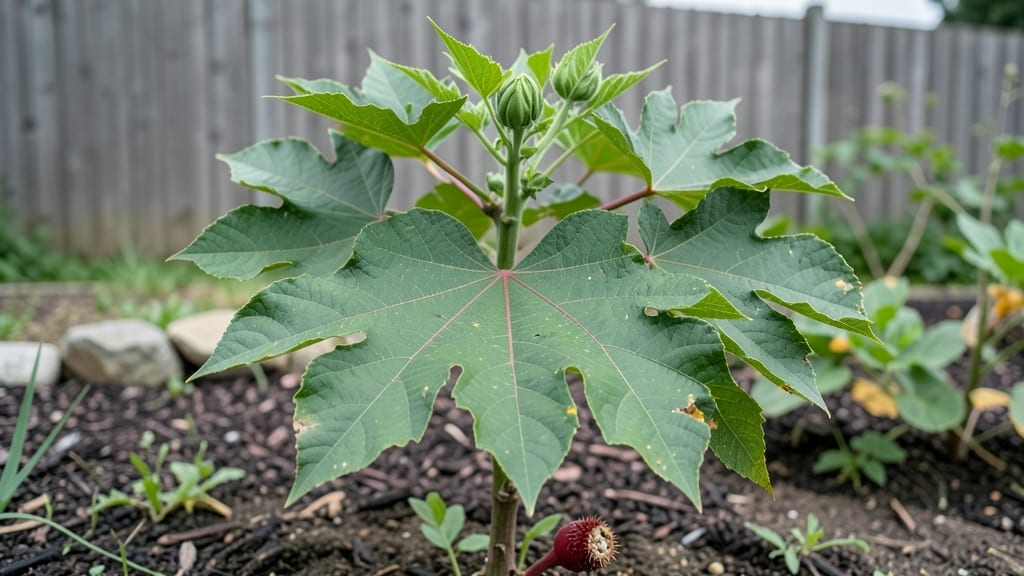
Deadly garden plants like foxglove and oleander might look stunning, but one wrong touch or nibble can send pets or kids to the ER. I’ve seen too many gardeners unknowingly grow these toxic beauties, so I’m sharing the hard-won lessons—and safer alternatives that still keep pests away.
The good news? You don’t need poison to create a thriving, pest-resistant garden. The bad news? Some of these plants are hiding in plain sight.
Foxglove’s bell-shaped flowers might charm you, but its sap causes heart arrhythmias, while castor bean seeds contain ricin—one of the deadliest natural toxins. Even skin contact with oleander can trigger rashes or worse.
The solution? Swap them for marigolds, lavender, or catnip—all pest-repelling powerhouses that won’t harm your family or furry friends. These plants work just as hard to deter aphids and deer without the danger.
Once you replace the risky plants, you’ll breathe easier knowing your garden is safe for curious hands and paws. Marigolds, for example, keep nematodes at bay, while lavender deters mosquitoes naturally.
The transition takes less than a weekend, and the long-term peace of mind is worth every minute. Plus, your garden will still look lush and intentional—just without the hidden hazards.
If you’re unsure whether a plant in your yard is toxic, snap a photo and compare it to trusted databases like the ASPCA’s toxic plant list. When in doubt, dig it up and replace it—your garden’s beauty shouldn’t come with a side of emergency room visits.
Let’s make your outdoor space as vibrant as it is safe.
📚 In This Guide
- What you need
- Instructions
- Tips and common mistakes
- Wrapping up and next steps
What you need
- ● Companion Plants (Non-Toxic & Pest-Repelling): 1–2 Marigolds (French or African varieties) – 5–10 plants (per 100 sq. ft.)
- ● 1 Basil plant (per 10 sq. ft. of veggies) – 3–5 plants
- ● 1 Lavender bush – 1–2 plants (for borders or containers)
- ● 1 Chives or Garlic Chives – 3–4 plants (scattered near vulnerable crops)
- ● 1 Nasturtium – 5–8 plants (trailing or bush varieties)
- ● 1 Mint (in containers!) – 1–2 plants (aggressive roots—keep confined!)
- ● Gardening Tools: 1 pair gardening gloves (nitrile-coated for durability)
- ● 1 hand trowel (for transplanting seedlings)
- ● 1 pruning shears (for trimming dead foliage)
- ● 1 watering can (1–2 gallon capacity)
- ● 1 spray bottle (for misting seedlings)
- ● Soil & Fertilizer: 1 bag organic compost (5–10 lbs, depending on garden size)
- ● 1 balanced organic fertilizer (5-5-5 or 10-10-10 NPK ratio)
- ● 1 mulch (straw or shredded leaves) – 2–3 inches (to retain moisture)
- ● 1 companion planting guidebook (for advanced layouts)
- ● 1 pH testing kit (to ensure soil is optimal for plants)
- ● 1 neem oil spray (for occasional non-toxic pest deterrence)
- ● 1 decorative stones or borders (to define plant zones)
Step-by-Step guide to creating a safe, pest-repelling garden
Swap dangerous plants for natural pest deterrents that keep your garden thriving without harm.
Identify Problem Areas in Your Garden
Start by walking your garden and noting where pests are most active. Look for chewed leaves, holes in stems, or clusters of insects on plants. Common trouble spots include vegetable beds, flower borders, and near the foundation of your home. I focus on areas where aphids, slugs, or deer frequently cause damage—these are the zones where non-toxic alternatives will make the biggest difference.
Pay attention to plants that already show stress from pests, as these will benefit most from protective replacements. For example, if your roses are constantly attacked by Japanese beetles, you’ll want to introduce plants that naturally repel them nearby. Keep a small notebook handy to jot down observations—this helps when selecting the right alternatives later.
Remove Hazardous Plants and Replace Them
Begin by removing any toxic plants currently in your garden, such as foxglove, oleander, or castor bean. Wear gloves to avoid skin contact with sap or leaves, and dispose of them properly—never compost toxic plants. Once removed, clear the area of debris and loosen the soil with a garden fork to prepare for new plantings.
Replace dangerous plants with safe, pest-repelling alternatives. For instance, swap foxglove (which contains deadly cardiac glycosides) with lavender, which deters moths and fleas while adding fragrance. Or replace castor bean (a highly toxic seed) with marigolds, which naturally repel nematodes and other soil pests. Choose plants that thrive in your climate and sunlight conditions to ensure they establish well.
Introduce Companion Plants for Natural Pest Control
Companion planting is one of the most effective ways to deter pests without chemicals. For example, plant basil near tomatoes to repel thrips and whiteflies, or nasturtiums alongside cucumbers to ward off aphids and squash bugs. These plants release natural scents or compounds that confuse or repel pests while also attracting beneficial insects like ladybugs and lacewings.
When planting, group compatible companions together for maximum effect. For instance, a mix of garlic, chives, and rosemary around the perimeter of your garden creates a protective barrier against many common pests. Space them evenly—about 12-18 inches apart—to allow airflow and prevent disease. Water them deeply after planting to help roots establish quickly.
Add Mulch and Natural Barriers
Apply a 2-3 inch layer of organic mulch, such as straw or wood chips, around the base of your new plants. Mulch helps suppress weeds, retains moisture, and deters pests like slugs and snails. For added protection, create physical barriers where needed—such as copper tape around garden beds to repel slugs or chicken wire to keep rabbits away from young plants.
Focus mulch application around the dripline of plants, keeping it 2-3 inches away from the stem to prevent rot. Replenish mulch as it breaks down, typically every 3-4 months, to maintain its effectiveness. This step is especially important for young plants still establishing their root systems—mulch acts as a shield against both pests and harsh weather.
Monitor and Maintain Your Pest-Free Garden
Regularly inspect your garden for signs of pests, even after introducing alternatives. Check the undersides of leaves, stems, and soil surface for early signs of infestation. If you spot pests, address them immediately with targeted solutions like neem oil spray or soapy water for soft-bodied insects. Avoid broad-spectrum pesticides, as they can harm beneficial insects and disrupt the natural balance you’ve created.
Encourage biodiversity by leaving some leaf litter or adding a small wildflower patch to attract pollinators and predatory insects. Over time, your garden will develop a self-sustaining ecosystem where pests are naturally kept in check. Keep a journal of what works and what doesn’t—this helps refine your approach year after year.
Tips & tricks for creating a pest-free garden without toxic plants
Transforming your garden into a safe, pest-repelling haven takes thoughtful planning—and these tips will help you avoid common pitfalls along the way.
Start with a Pest Audit: Before removing anything, spend 20 minutes carefully examining your garden for signs of specific pests. Focus on the most vulnerable plants first—like roses or tomatoes—and note which pests target them. Japanese beetles on roses, for example, are best deterred by planting lavender nearby, while aphids on tomatoes respond well to basil companions. This targeted approach saves time and ensures you’re addressing real problems, not just guesswork.
Safety First When Removing Toxic Plants: Never compost or burn toxic plants like foxglove or oleander—these contain deadly compounds that can linger in soil or release harmful fumes when burned. Instead, double-bag them in thick plastic and dispose of them in your household trash. Wear long sleeves and gloves when handling them, and wash your hands thoroughly afterward. I learned this the hard way after accidentally composting castor bean plants and dealing with unexplained stomach issues for weeks.
Companion Planting Layout Matters: When arranging your companion plants in Step 3, think of them like a security system. Place strong repellent plants like garlic and rosemary on the outer perimeter of your garden to create a natural barrier. For vegetable beds, interplant basil with tomatoes and nasturtiums with cucumbers—this creates a mosaic effect that confuses pests about where to land. The 12-18 inch spacing mentioned in the instructions is perfect for allowing airflow while still maintaining this protective network.
Mulch Maintenance is Key: That 2-3 inch layer of organic mulch you apply in Step 4 isn’t just for looks—it’s your garden’s first line of defense against weeds and soil-borne pests. Check mulch levels every 3-4 months, especially after heavy rains, as it breaks down quickly. For extra protection against slugs, add a thin layer of diatomaceous earth around the base of young plants. Just remember to reapply after rain, as it loses effectiveness when wet.
Pro Tips for Deadly Garden Plants
- Transforming your garden into a safe, pest-repelling haven takes thoughtful planning—and these tips will help you avoid common pitfalls along the way.
- Start with a Pest Audit: Before removing anything, spend 20 minutes carefully examining your garden for signs of specific pests.
- Safety First When Removing Toxic Plants: Never compost or burn toxic plants like foxglove or oleander—these contain deadly compounds that can linger in soil or release harmful fumes when burned.
Frequently asked questions
Got questions about deadly garden plants and safer alternatives? You’re not alone! Here are some of the most common concerns—and practical answers—to help you garden with confidence.
Which common garden plants are the most toxic?
Some of the most dangerous include foxglove (digitalis), oleander, castor bean, lily of the valley, and deadly nightshade. These plants contain toxins like cardiac glycosides, alkaloids, or cyanide, which can be fatal if ingested by humans, pets, or wildlife. Always research before planting!
How do I tell if my pet has ingested a poisonous plant?
Watch for symptoms like vomiting, drooling, lethargy, diarrhea, or difficulty breathing. If you suspect poisoning, contact your vet or the ASPCA Poison Control Center immediately. Keep plant labels and a photo of the plant handy for quick identification. Prevention is key—opt for pet-safe alternatives like cat grass or moss instead.
Are there non-toxic plants that still repel pests naturally?
Try marigolds (deter pests like nematodes), basil (repels mosquitoes and flies), lavender (keeps away moths), or garlic chives (ward off aphids). These plants are safe for humans and pets while boosting your garden’s defense system without chemicals.
When is the best time to plant pest-repelling alternatives?
The ideal time depends on your climate, but spring (after the last frost) or early fall are generally best. Cool-season plants like chives or parsley can go in as soon as the soil is workable, while warm-season favorites like basil thrive when temperatures stay above 50°F (10°C). Always check seed packets for specific guidance!
What should I do if I already have toxic plants in my garden?
Don’t panic! Remove the plants immediately—wear gloves and dispose of them in sealed trash bags (not compost). If children or pets have access, consider relocating the garden to a secure area. Replace toxic plants with safe alternatives like rosemary or nasturtiums, which are both pest-resistant and non-lethal.
Wrapping up and next steps
Your garden doesn’t have to be a battleground between beauty and toxicity! By swapping deadly plants for non-toxic, pest-repelling alternatives, you create a safe, thriving space that keeps critters at bay—naturally. 🌿 From marigolds to basil, these powerhouses protect your plants without harming pets, kids, or the planet.
Ready to transform your garden? Start small—replace one toxic plant this season with a safe, companion-friendly option. Your green thumb (and curious critters) will thank you!