
Pests
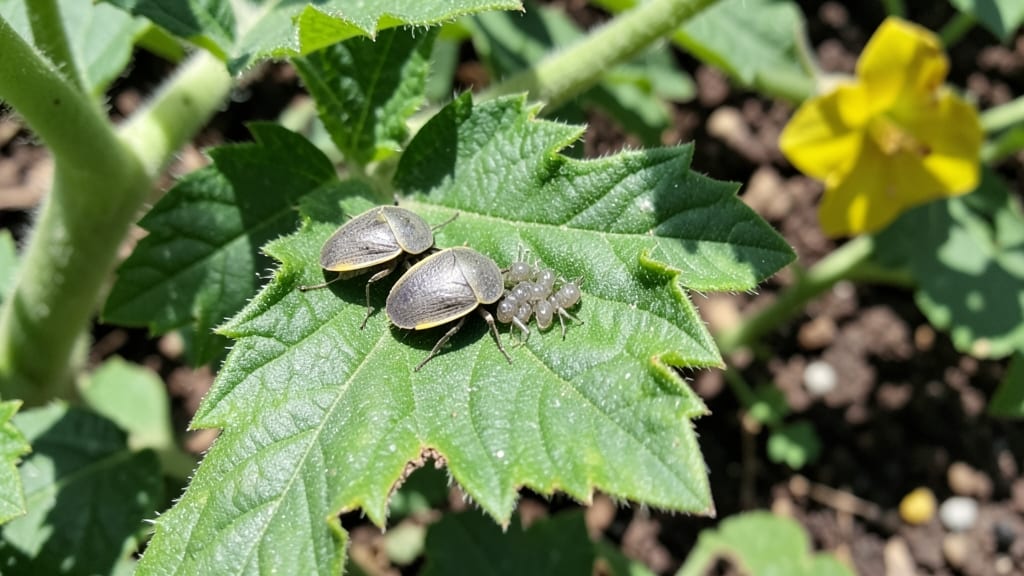
Squash bugs on tomato plants are the silent saboteurs of summer harvests—those shielded, flat-backed pests that suck the life out of leaves while you're not looking. 🌱 I’ve watched them turn thriving tomato plants into skeletal shadows in just a few weeks, and the worst part?
Most gardeners don’t even realize they’ve arrived until it’s too late. These bugs aren’t picky; they’ll feast on tomatoes, cucumbers, and squash, but they’re especially drawn to the strong scent of tomato foliage, which is why your prized plants become their all-you-can-eat buffet.
The good news? You don’t need harsh chemicals or expensive traps to win this battle. My go-to methods—like homemade beer traps and neem oil sprays—have saved my garden from total collapse, and they work just as well for beginners as they do for seasoned growers.
The key is acting fast: squash bugs lay eggs in clusters on the undersides of leaves, and those eggs hatch into nymphs that start feeding within days.
Once you spot the adults or their tiny, grayish eggs, you’ve got about 10 days to intervene before your plants look like they’ve been through a drought.
What you’ll end up with is tomato plants that stay vibrant green and productive, not stripped bare by hidden pests. The traps catch adults before they lay more eggs, while the sprays disrupt their feeding cycle without harming bees or other beneficial insects.
Best of all, these methods are foolproof—no fancy equipment or gardening degree required. You’ll spend less time scrubbing bugs off leaves and more time enjoying the tomatoes you’ve worked so hard to grow.
This works whether you’re growing in containers, raised beds, or straight in the ground, and it’s just as effective in hot, humid climates as it is in cooler regions. The secret?
Consistency. Check your plants twice a week during peak squash bug season (late spring to early summer), and you’ll keep these pests from turning your garden into their personal salad bar.
Root Causes of Squash Bug Infestations
Squash bugs—those flat, shield-shaped pests—don’t just randomly appear on your tomato plants. Their presence is usually a sign of specific environmental and ecological conditions that create the perfect storm for their survival and reproduction.
Understanding these triggers is the first step to stopping them before they wreak havoc on your garden. Let’s break down the key reasons these bugs target your tomatoes and why they thrive in certain settings.
Squash bugs (and their close relatives, like the Anasa tristis species) are opportunistic feeders. They zero in on plants that are already struggling—whether due to poor spacing, nutrient deficiencies, or disease. Here’s why:
- Competition for resources: When tomato plants are too close together, they compete for sunlight, water, and nutrients. Weakened foliage becomes an easier target for squash bugs, which inject toxins into leaves, further stressing the plant.
- Slow recovery: Stressed plants heal more slowly from damage. Squash bugs exploit this by laying eggs in clusters (often on the undersides of leaves) near damaged areas, ensuring their nymphs have a ready food source upon hatching.
- Disease entry points: Bugs often infest plants already compromised by fungal or bacterial infections (like early blight or verticillium wilt). The bugs’ saliva can introduce secondary infections, creating a vicious cycle.
Pro tip: 💡 Space tomato plants 18–24 inches apart to improve airflow and reduce stress. Healthy plants are far less appealing to squash bugs!
Squash bugs aren’t picky about their environment—they love your environment, especially if it mimics their natural preferences. These pests thrive in:
| Factor | Why It Attracts Them |
|---|---|
| Warm, humid climates | Squash bugs are most active in temperatures between 70–90°F (21–32°C). Humidity above 60% keeps their eggs from drying out and speeds up their life cycle (from egg to adult in as little as 4–6 weeks). |
| Mulch or dense ground cover | Adult squash bugs overwinter in soil or leaf litter. If your garden has thick mulch, they’ll hide there until spring, emerging to feast on young tomato seedlings. |
| Weedy or unkempt garden beds | Weeds like pigweed or smartweed are host plants for squash bugs. If these grow near your tomatoes, the bugs will migrate over, treating your plants like an all-you-can-eat buffet. |
Pro tip: 🌡️ Monitor soil temperature with a probe—if it’s consistently warm, be vigilant for adult bugs in early spring. Remove weeds within a 3-foot radius of tomato plants to break their food chain.
Squash bugs are masters of patience—and persistence. Their life cycle is tightly linked to seasonal changes, and if you don’t disrupt it, they’ll return year after year. Here’s how:
- Overwintering adults: In fall, adult squash bugs burrow into soil or leaf debris to survive winter. If left undisturbed, they’ll re-emerge in spring, ready to lay eggs on your tomato plants before you even notice.
- Rapid reproduction: A single female can lay 50–100 eggs in her lifetime, often in clusters hidden on leaf undersides. These eggs hatch in 7–10 days under ideal conditions, releasing nymphs that start feeding immediately.
- Multiple generations: In warm climates, squash bugs can complete 2–3 generations per year. This means if you ignore an early infestation, you’ll face a full-blown outbreak by midsummer.
Pro tip: ⏰ Time your interventions: Check for overwintering bugs in early spring (before planting) by flipping over mulch or boards. Destroy any adults you find to prevent the cycle from starting.
Not all tomato plants are equally at risk. Squash bugs have a preference for certain growth stages:
- Seedlings and transplants: Young tomato plants are soft and tender, making them easy targets for adult bugs. They’ll chew leaves into a "V" shape, stunting growth before you realize the threat.
- Flowering and fruiting stages: Once tomatoes start setting fruit, squash bugs may shift focus to fruit damage, causing scarring or even dropping blossoms. This reduces yield and quality.
- Stress from pruning or harvesting: If you prune or harvest tomatoes aggressively, you may inadvertently create entry points for bugs. They’re drawn to plants that are already under physical stress.
Pro tip: 🎯 Use row covers on young seedlings to block adult bugs until plants are established. Avoid heavy pruning during peak squash bug season (late spring to early summer).
By addressing these root causes—stressed plants, ideal habitats, life cycle timing, and vulnerable growth stages—you can disrupt the squash bug’s plans before they even lay an egg. The next step? Learn how to break their cycle with humane traps and organic sprays.
Quick Fixes for Squash Bug Havoc
Squash bugs may be sneaky, but with the right approach, you can reclaim your tomato plants without resorting to harsh chemicals. Below are targeted solutions tailored to the root causes—whether it’s early detection, manual removal, or organic defense.
Each method is designed to be effective, humane, and easy to implement, even for beginner gardeners.
Prevention is your first line of defense. Squash bugs thrive in undisturbed soil, so regular inspections are key.
- 👀 Scan leaves & stems daily: Look for egg clusters (tiny, shiny, copper-colored masses under leaves) or adult bugs (flat, grayish-brown, ~½ inch long). - 🌱 Remove weeds & debris: These pests hide in leaf litter.
Clear mulch and plant residues around your tomatoes. - 🕵️♂️ Set up yellow sticky traps: Place them near plants to catch adult bugs before they lay eggs.
> 💡 Pro Tip: Check the undersides of leaves first—squash bugs love to hide there!
For small infestations, physical removal works wonders. Just be persistent!
- 🕷️ Drop them in soapy water:
- Wear gloves (they secrete a foul odor when crushed!).
- Gently scrape bugs into a bucket of soapy water (1 tbsp dish soap per gallon).
- Best time: Early morning when bugs are sluggish.
- 🧹 Knock them off with a strong stream of water: Use a hose on a low setting to dislodge eggs and adults from leaves.
- 🪴 Destroy egg masses: Scrape them off leaves and smash them or drop them in soapy water.
> ⚠️ Warning: Avoid crushing bugs on the ground—they may release pheromones that attract more!
When bugs multiply, organic sprays create a protective shield without harming pollinators or your plants.
| Spray | How to Use | Best For |
|---|---|---|
| Neem oil | Mix 1 tbsp neem oil + 1 tsp mild soap in 1 quart water. Spray evenly on leaves (including undersides). Repeat every 5–7 days. | Eggs & nymphs (disrupts feeding) |
| Kaolin clay | Stir 1–2 cups clay powder into 1 gallon water. Spray at dusk to avoid harming bees. | Adults (creates a protective film) |
| Insecticidal soap | Use 1–2 tbsp per quart of water. Spray directly on bugs (avoid flowers to protect bees). | Soft-bodied nymphs |
| Diatomaceous earth | Dust lightly on soil and leaf surfaces (reapply after rain). | Crawling nymphs (dehydrates them) |
> 🌡️ Timing Matters: Apply sprays early morning or late evening to avoid harming bees and other beneficial insects.
Squash bugs return year after year. Disrupt their lifecycle to keep them away for good.
- 🌱 Rotate crops: Avoid planting squash, cucumbers, or tomatoes in the same spot yearly. - 🍂 Till soil in fall: Destroy overwintering eggs by deep tilling after harvest. - 🐝 Encourage predators: Ladybugs, lacewings, and parasitic wasps eat squash bug eggs.
Plant dill, fennel, or marigolds nearby to attract them. - 🛡️ Use row covers: For new transplants, cover seedlings with floating row fabric until plants are established (remove when flowers appear to allow pollination).
> ✨ Bonus Hack: Plant radishes as a trap crop—squash bugs prefer them over tomatoes!
If you see wilting, yellowing leaves or black excrement, your plants are under severe stress. Act immediately with: 1. Manual removal (soapy water or knocking them off).
- Neem oil spray (repeat every 3 days until no new bugs appear).
- Diatomaceous earth on the soil to stop nymphs from emerging.
With consistency, you’ll break their cycle and keep your tomato plants thriving! 🍅💪
Frequently asked questions
Why do squash bugs target tomato plants specifically?
Tomato plants emit strong scents that attract squash bugs, especially when stressed from poor spacing, disease, or nutrient deficiencies. These pests prefer plants that are already struggling, as their weakened state makes them easier to feed on. Healthy tomato plants with proper spacing and airflow are far less appealing targets.
How do I tell the difference between squash bug eggs and other insect eggs?
Squash bug eggs appear as small, shiny, copper-colored clusters (about 1/16-inch long) on the undersides of leaves. They’re often grouped in neat rows. Unlike aphid eggs, which are tiny and round, squash bug eggs are elongated and have a metallic sheen. Check leaf undersides regularly—early detection is key!
Can I use beer traps for squash bugs like I’ve heard for slugs?
Yes! Squash bugs are attracted to fermenting beer. Bury a shallow container (like a plastic cup) filled with beer at the base of your tomato plants. The bugs will crawl in and drown. Refresh the beer every 2–3 days for best results. This method works best in warm, humid conditions when bugs are most active.
What’s the fastest way to stop an active infestation?
Combine manual removal (drop bugs in soapy water) with a neem oil spray (1 tbsp neem oil + 1 tsp soap per quart of water). Spray leaves thoroughly, focusing on undersides, and repeat every 3–5 days until no new bugs appear. For severe cases, add diatomaceous earth to soil to dehydrate crawling nymphs.
Will squash bugs harm my tomato fruits directly?
While squash bugs primarily feed on leaves, severe infestations can damage fruit by injecting toxins that cause scarring or premature dropping. They’re more likely to target stressed plants, so maintaining plant health with proper watering and fertilization helps protect your harvest. Focus on preventing leaf damage to safeguard your tomatoes.