
Companion Plants
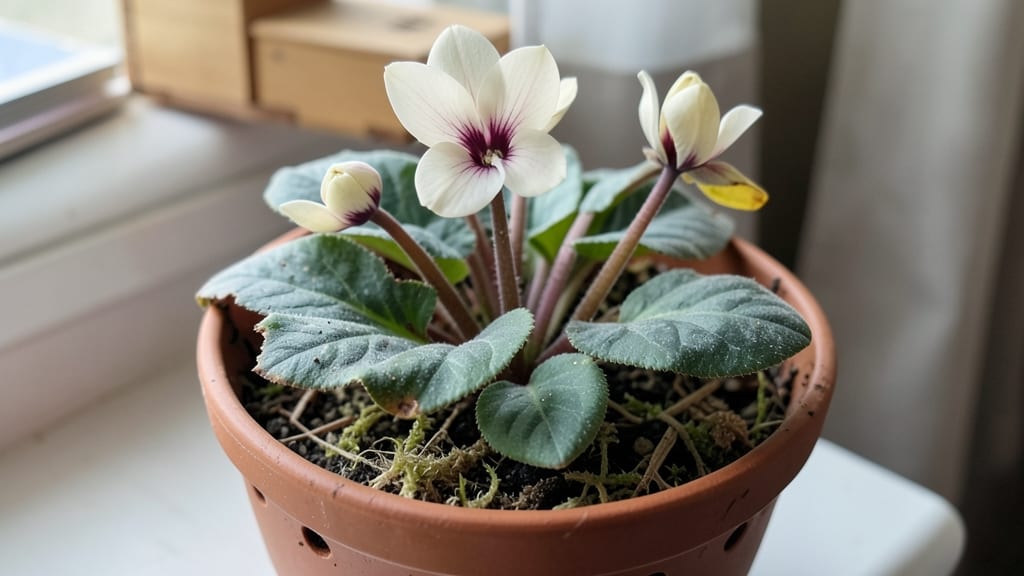
My cyclamen winter plants bring color and life when everything else sleeps under snow. ✨ These delicate bloomers thrive in cool weather, offering fragrant flowers and a splash of color that brightens dreary winter days—while also attracting pollinators like bees that need winter forage.
Most people assume cyclamen are just houseplants, but hardy varieties like Cyclamen coum or Cyclamen hederifolium can survive outdoors in zones 5-9 with the right care. The key is planting in partial shade, protecting from heavy frost, and keeping soil consistently moist but not soggy.
I’ve grown them in containers on my porch and in garden beds under evergreens—both work beautifully.
You’ll love how they bloom from late fall through early spring, creating a stunning contrast against bare branches. Their heart-shaped leaves add texture, and the flowers—pink, white, or purple—last for weeks with minimal fuss. Just watch for slugs in damp weather and avoid overwatering once blooms fade.
Perfect for winter gardens, containers, or even as cut flowers indoors. Once you try them, you’ll never let your yard go gray again—here’s how to make them thrive all season.
📚 In This Guide
- What you need
- Instructions
- Tips and common mistakes
- Wrapping up and next steps
What you need
- ● Cyclamen plants: 3–5 Cyclamen persicum or Cyclamen hederifolium (choose based on your climate and space). Look for healthy tubers with firm, green foliage.
- ● Well-draining potting mix: 1–2 bags of a peat-free, organic blend (e.g., 50% coco coir, 30% perlite, 20% compost). Avoid heavy garden soil—cyclamen hate soggy roots!
- ● Containers (if indoor/potted): 3–5 terracotta or ceramic pots (4–6 inches in diameter) with drainage holes.
- ○ Cache pots (optional but helpful for outdoor planting—prevents tuber rot in cold/wet winters).
- ● Garden tools: Trowel or small hand shovel for transplanting.
- ● Pruning shears (for deadheading spent blooms).
- ● Mulch: 1–2 inches of pine straw, shredded bark, or straw mulch (protects tubers in outdoor beds).
- ● Slow-release fertilizer: A balanced 10-10-10 or organic bloom booster (use sparingly—cyclamen are light feeders!).
- ● Peat moss or sphagnum moss: For extra moisture retention in containers (mix into soil).
- ● Grow lights (LED or fluorescent): If keeping indoors and natural light is limited (12–14 hours/day).
- ● Pollinator-friendly companions: Pair with heuchera, hellebore, or ferns to create a winter-long pollinator buffet! 🐝🌸
- ● Humidity tray: A shallow tray with pebbles and water (keeps air moist for indoor plants).
Step-by-step instructions for cultivating cyclamen as winter fragrance plants
Here’s how to coax those delicate, fragrant blooms through winter—my foolproof method for healthy, pollinator-friendly cyclamen.
🌱 Step 1: Select Containers and Prepare the Growing Medium
Use shallow, wide containers with drainage holes—cyclamen roots hate soggy feet. I prefer 6-inch terracotta pots because they breathe and prevent root rot. Fill each with 2 parts peat moss, 1 part perlite, and 1 part coarse sand to mimic their native rocky soil. The mix should feel light and airy, like crumbled cake.
Moisten the medium with lukewarm water until damp but not dripping. Overwatering now will suffocate the roots before they even start. Tap the pot gently to settle the soil—you want it firm enough to support the plant but loose enough for roots to explore.
🪴 Step 2: Plant Tubers Correctly for Optimal Growth
Cyclamen grow from tubers, not traditional roots, so planting depth matters. Place the tuber half-buried in the soil—only the top half should peek above the surface. Press lightly around the edges to secure it without compacting the mix. I always label the pot with the variety and planting date (yes, I forget which is which by spring).
Position the tuber with the flat side down and the pointy side up—this mimics its natural orientation in the wild. If you bury it too deep, the stem will struggle to reach light and may rot. If left too exposed, it won’t anchor properly.
☀️ Step 3: Provide Indirect Light and Cool Temperatures
Cyclamen thrive in bright, indirect light—think east-facing windows or 6-8 hours of filtered sun daily. Direct sunlight scorches their leaves, while too little light stretches the stems and weakens blooms. I use a sheer curtain to diffuse harsh afternoon rays in winter.
Keep temperatures between 60-65°F during the day and 50-55°F at night. A cool basement or unheated garage works perfectly for dormancy. If your home runs warmer, move the pot to a cooler spot—heat stress causes buds to drop before opening.
💧 Step 4: Water Gently and Avoid Wetting the Tubers
Water only when the top inch of soil feels dry—cyclamen roots are shallow, and overwatering is their #1 killer. I use a spray bottle to mist the soil around the edges, never directly on the tuber. Let excess water drain completely; soggy soil invites rot.
Reduce watering to once every 2-3 weeks during dormancy (late summer to fall). You’ll know it’s time when the leaves yellow and die back naturally. This resting period ensures stronger blooms in winter. Never let the tuber dry out completely, though—wrinkled skin means it’s too late.
✂️ Step 5: Prune and Fertilize for Continuous Blooms
Deadhead spent blooms by snipping the stem at the base with clean scissors. This encourages new flowers and prevents seed pods from draining the plant. I also trim yellowing leaves to redirect energy to blooming. Just avoid cutting into the tuber itself—it’s sensitive to damage.
Feed every 4-6 weeks with a balanced liquid fertilizer (10-10-10) diluted to half-strength. Over-fertilizing burns delicate roots. Stop fertilizing in late summer to signal dormancy. Watch for new growth—that’s your cue to resume care in early fall.
Tips & tricks for perfect cyclamen winter plants
Cultivating cyclamen through winter takes patience, but these insider tips will help you avoid common pitfalls and maximize those fragrant blooms.
Soil Mix Secrets: The 2:1:1 ratio of peat moss, perlite, and sand isn't just arbitrary—it mimics cyclamen's native rocky soil while preventing compaction. I like adding a handful of orchid bark to the mix for extra aeration, especially if your peat moss feels dense. The goal is a texture that crumbles easily between your fingers, like a well-made cake. This prevents waterlogging while allowing those delicate roots to breathe.
Temperature Precision: Maintaining that 60-65°F daytime range and 50-55°F nighttime drop is crucial for bud development. I've found that placing pots on a bed of pebbles in a tray of water (with the pot sitting above the waterline) creates a self-regulating microclimate. This passive cooling method works especially well in warmer homes—just monitor the soil moisture closely since the pebbles add humidity.
Lighting Strategy: That 6-8 hours of filtered light is non-negotiable for vibrant blooms. If your east-facing window doesn't provide enough light, supplement with a full-spectrum LED grow light for 4-5 hours daily. Position it 12-18 inches above the plants and use it in the morning hours to avoid heat buildup. I've seen cyclamen growers double their bloom count by combining natural light with this simple supplement.
Watering Technique: The spray bottle method isn't just about gentle watering—it's about precision. Aim for the soil edges only, never the leaves or tuber. I've developed a "two-finger test" to check moisture: gently press your index and middle fingers into the soil. If they come out clean (not damp), it's time to water. This prevents the common mistake of watering when the top inch is still slightly damp, which leads to root rot.
Pro Tips for Cyclamen Winter Plants
- Cultivating cyclamen through winter takes patience, but these insider tips will help you avoid common pitfalls and maximize those fragrant blooms.
- Soil Mix Secrets: The 2:1:1 ratio of peat moss, perlite, and sand isn't just arbitrary—it mimics cyclamen's native rocky soil while preventing compaction.
- Temperature Precision: Maintaining that 60-65°F daytime range and 50-55°F nighttime drop is crucial for bud development.
Frequently asked questions
Got questions about keeping your cyclamen thriving all winter long?
Here are answers to the most common ones—so you can enjoy their beauty and fragrance without the guesswork!
How do I keep my cyclamen blooming all winter?
Cyclamen thrive in cool temperatures (60–70°F) and bright, indirect light. Avoid drafts or direct sun, which can scorch leaves. Water from the bottom (tray method) to prevent rot—let the topsoil dry slightly between waterings. A little fertilizer (diluted 10-10-10) every 4–6 weeks keeps them blooming!
Can cyclamen survive outside in winter?
Most cyclamen are tender perennials and can’t handle frost. If you plant them outdoors, choose hardy varieties (like Cyclamen hederifolium) and grow them in protected spots (containers or sheltered beds). Bring potted cyclamen indoors before temps drop below 40°F—they’ll thank you with more blooms!
Do cyclamen attract pollinators in winter?
Their sweetly fragrant flowers draw bees and butterflies—even in chilly months. For extra pollinator appeal, pair them with winter-blooming heathers or pansies. Just avoid pesticides, as they can harm beneficial insects. A win-win for your garden’s ecosystem!
Why are my cyclamen leaves turning yellow?
Yellow leaves often signal overwatering or nutrient deficiency. Let the soil dry out more between waterings, and repot with fresh, well-draining mix if needed. If the yellowing starts at the bottom, it’s natural aging—trim those leaves to encourage new growth. Brown edges? That’s usually dry air—mist leaves occasionally!
What’s a good alternative if I can’t grow cyclamen?
Try these winter-friendly pollinator plants:
- Hellebores (Lenten Rose) – Shade-tolerant, blooms early.
- Winter Jasmine – Bright yellow flowers, cold-hardy.
- Snowdrops – Tiny but tough, great for early bees.
- Pansies – Colorful and edible (yes, really!)
Wrapping up and next steps
Transforming your garden into a winter wonderland with cyclamen isn’t just possible—it’s a joy to experience! These fragrant, pollinator-friendly plants bring life, color, and a touch of magic to your outdoor space, even when the world outside seems quiet.
Whether you’re a seasoned gardener or just starting, cyclamen prove that beauty thrives in every season.
Ready to take the next step? Start small—plant a few cyclamen in pots or along your garden beds—and watch as they reward you with blooms and buzzing pollinators. Your winter garden will thank you! 🌸