
Planting
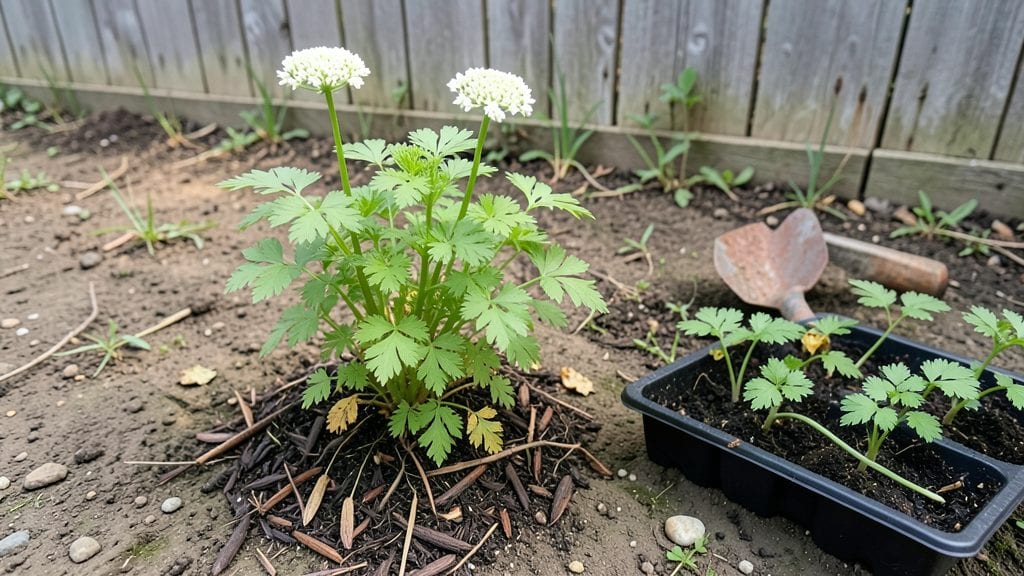
Here are the essential coriander planting tips to transform your herb garden from a bolted disaster into a lush, flavorful harvest—start with these 3 spacing secrets. 🌱 fight for space and turn bitter before harvest. The secret lies in how you arrange them from day one.
Start with soil that’s loose and well-draining—coriander hates soggy roots. Plant seeds ¼ inch deep, spacing them ½ inch apart in rows 12 inches apart to give roots room to stretch.
Thin seedlings to 4 inches apart once they’re 2 inches tall, or you’ll end up with leggy, flavorless stems. Water gently after planting to keep soil moist but not soaked.
📚 In This Guide
- What you need
- Instructions
- Tips and common mistakes
- Wrapping up and next steps
What you need
- ● Coriander seeds: 1–2 packets (organic, non-GMO preferred; ~1 oz per packet). Pro tip: 💡 Buy fresh seeds (test germination by soaking a few in water—if they sink, they’re viable!).
- ○ Growing containers (optional): For direct sowing: 6–12-inch deep pots (3–4 seeds per pot) or garden beds with well-draining soil.
- ● For windowsill/herb gardens: 6–8 inch pots (minimum 12" deep for multiple plants).
- ● Potting mix: 5–10 gallons of lightweight, well-draining soil (e.g., 60% garden soil + 40% compost or coconut coir). Pro tip: 🌡️ Avoid heavy clay—amend with perlite or vermiculite (1 part per 5 parts soil) for aeration.
- ● Fertilizer: Balanced organic fertilizer: 5-5-5 or 10-10-10 (1 tbsp per gallon of soil).
- ● Slow-release option: Composted manure or worm castings (½ cup per pot).
- ● Watering can: With a fine rose nozzle (or a spray bottle for seedlings).
- ○ Gloves (optional): For handling soil or seeds comfortably.
- ● Sunlight: 6–8 hours of direct sun daily (partial shade in hot climates).
- ● Temperature: Ideal range: 55–75°F (13–24°C). Pro tip: 🔥 Avoid planting when temps exceed 80°F—coriander bolts (goes to seed) faster!
- ● Water access: Consistent moisture (keep soil evenly damp, not soggy).
- ○ Spacer (optional): Small sticks or dividers to maintain 4–6 inch spacing between plants (critical for airflow!).
Step-by-Step coriander planting for optimal spacing and growth
Here’s how to plant coriander like a pro—using spacing tricks that prevent bolting and maximize leaf production.
🌱 Step 1: Prepare the Soil and Planting Site
Coriander thrives in well-draining, fertile soil with a pH between 6.2 and 6.8. Before planting, loosen the top 6 inches of soil with a garden fork to improve aeration and root penetration. Work in 1-2 inches of compost or aged manure to enrich the soil without overwhelming the plants with nitrogen—too much causes leafy growth at the expense of flavor.
Choose a location with partial shade to full sun, depending on your climate. In hot regions, coriander bolts quickly in direct sunlight, so morning sun with afternoon shade works best. Test the soil moisture—it should feel slightly damp but not soggy. If your soil drains poorly, mix in a handful of perlite or coarse sand to improve drainage.
🪴 Step 2: Plant Seeds at the Right Depth and Spacing
Sow seeds ¼ inch deep, spacing them 6-8 inches apart in rows 12-18 inches apart. This spacing prevents overcrowding, which leads to competition for nutrients and encourages bolting. For a continuous harvest, stagger plantings every 2-3 weeks—this ensures a steady supply of fresh leaves without gaps.
Thin seedlings to the strongest 3-4 per foot once they reach 2 inches tall. Use scissors to snip unwanted plants at soil level rather than pulling, which disturbs the roots of remaining seedlings. Water gently after thinning to settle the soil around the roots. Avoid planting too densely, even if you’re tempted—crowded coriander grows leggy and bitter.
☀️ Step 3: Manage Light and Water for Consistent Growth
Coriander needs 4-6 hours of sunlight daily, but too much heat triggers bolting. If your plants start stretching toward the light or develop flower stalks prematurely, move them to a shadier spot or provide afternoon shade with a 30% shade cloth. Watch for yellowing lower leaves—this is a sign of too much water or poor drainage, not a disease.
Water deeply once a week, aiming for 1 inch of water per week, and more during hot spells. Let the top 1-2 inches of soil dry out between waterings to prevent root rot. Water at the base of the plant in the morning to reduce evaporation and fungal risks. Avoid wetting the leaves, which can lead to mildew. Mulch with 1 inch of straw to retain moisture and suppress weeds.
✂️ Step 4: Harvest and Prune for Continuous Production
Harvest leaves when they reach 3-4 inches tall by snipping individual stems with clean scissors. This encourages bushier growth and prevents the plant from bolting. Avoid pulling leaves—it damages the plant and slows regrowth. For a longer harvest window, cut back flower stalks as soon as they appear, even if they’re just tiny buds. This redirects the plant’s energy back into leaf production.
If the plant bolts anyway, don’t discard it—harvest the seeds for spice blends or save them for next season. Bolting doesn’t mean the leaves are ruined; they’re still edible (though slightly bitter) and can be used in soups or pestos. To extend the harvest, succession plant every 3-4 weeks in warm climates or start seeds indoors 6-8 weeks before the last frost in cooler regions.
Tips & tricks for perfect coriander planting
These spacing secrets will transform your coriander harvest from meager to abundant—no more bitter surprises or wasted effort.
The Spacing Secret: That 6-8 inch spacing in Step 2 isn't arbitrary—it creates the perfect balance between air circulation and nutrient access. Too close, and your plants will compete for sunlight, leading to leggy, bitter growth. I've learned this the hard way after watching crowded plants bolt within weeks. For container growing, reduce spacing to 4-6 inches but use at least 12-inch pots to prevent root competition.
Soil Prep Game-Changer: The 1-2 inches of compost in Step 1 should be well-aged—fresh manure can burn tender coriander roots. I mix in a handful of worm castings for extra nutrients without the risk. For heavy clay soil, blend in 20% perlite or coarse sand by volume to prevent waterlogging, which triggers yellowing leaves faster than you can react. Test your soil's pH first—coriander hates extremes, and a pH meter costs less than wasted seeds.
Succession Planting Strategy: Those 2-3 week intervals in Step 2 are your secret weapon for continuous harvests. Mark your planting dates on a calendar and set reminders—consistency is key. In my garden, I use a simple whiteboard system with colored magnets to track which batches are ready to harvest. For cooler climates, start your first batch indoors 6-8 weeks before last frost, then continue outdoor plantings every 3 weeks until summer heat arrives.
Harvesting Hack: When you reach Step 4, resist the urge to harvest all leaves at once. Instead, snip just the outer leaves first, leaving the inner growth to continue. This technique extends your harvest window by 30-40% while keeping plants productive. I always harvest in the morning after dew has dried—leaves contain more moisture then, making them fresher for cooking. Store harvested leaves in a damp paper towel in the fridge for up to 5 days.
Pro Tips for Coriander Planting Tips
- These spacing secrets will transform your coriander harvest from meager to abundant—no more bitter surprises or wasted effort.
- The Spacing Secret: That 6-8 inch spacing in Step 2 isn't arbitrary—it creates the perfect balance between air circulation and nutrient access.
- Soil Prep Game-Changer: The 1-2 inches of compost in Step 1 should be well-aged—fresh manure can burn tender coriander roots.
Frequently asked questions
Got questions about growing coriander like a pro? Here are answers to the most common queries—from timing to troubleshooting—so you can enjoy fresh cilantro all season long!
When is the best time to plant coriander?
Plant coriander in early spring or late summer for ideal results. It thrives in cooler temperatures (50–75°F) and bolts (goes to seed) faster in heat. For year-round harvests, try slow-bolt varieties like ‘Santo’ or grow it in partial shade during summer.
How long does it take for coriander to grow?
Coriander is a fast grower! You’ll see sprouts in 5–10 days and harvestable leaves in 4–6 weeks. For seeds (dhania), wait 8–10 weeks. Pro tip: Harvest leaves before flowering to prevent bolting and keep the flavor fresh.
Why does my coriander bolt (flower) so quickly?
Bolting happens when coriander senses heat or long daylight (common in summer). To delay it:
- Plant in partial shade or use shade cloth.
- Choose slow-bolt varieties like ‘Calypso’ or ‘Cilantro Mango’.
- Avoid overcrowding—thin seedlings to 6–12 inches apart.
If it bolts, harvest seeds or let it flower to attract pollinators!
Can I grow coriander indoors or in containers?
Coriander grows well in containers 6–12 inches deep with drainage holes. Use a sunny windowsill (6+ hours of light) or grow lights. Keep soil moist but not soggy, and harvest leaves before they yellow to extend the harvest.
What pests or diseases should I watch for?
Common issues include:
- Aphids: Spray with water or use neem oil.
- Fungal diseases (like powdery mildew): Improve airflow and avoid overhead watering.
- Caterpillars: Handpick or use row covers.
Rotate crops yearly to prevent soil-borne problems. Prevention tip: Use organic mulch to keep pests at bay!
Wrapping up and next steps
Growing coriander is easier than you think—with the right spacing, sunlight, and care, you’ll soon enjoy a bountiful harvest of fresh, fragrant leaves! Remember, proper spacing (8–12 inches apart), well-draining soil, and regular thinning are your secret weapons for thriving plants.
Whether you’re a beginner or a seasoned gardener, these tricks will help you avoid common pitfalls and maximize your yield.
Now that you’re armed with expert tips, it’s time to roll up your sleeves and plant! Grab your seeds, pick a sunny spot, and let your coriander garden flourish. Happy growing—your kitchen (and taste buds) will thank you! 🌱✨