
Flowers
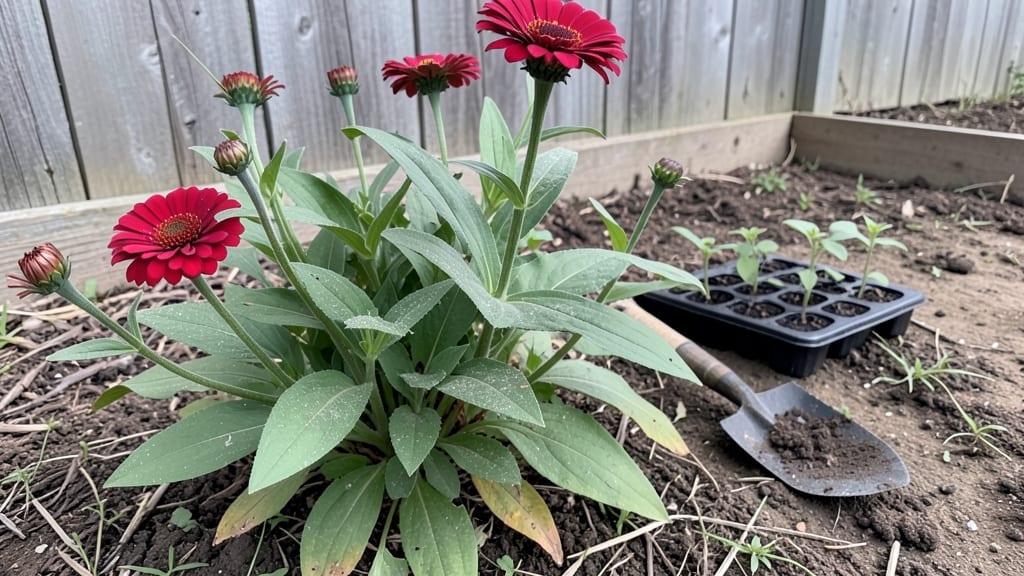
Succession planting flowers keeps your garden bursting with color from spring through frost—no empty spaces, no sad gaps. 🌸 I learned the hard way that planting everything at once leads to July wilt, but layering blooms in waves creates a nonstop show.
The secret lies in matching bloom times: early spring bulbs give way to summer annuals, which fade into fall perennials.
Start with cool-season flowers like snapdragons or pansies in early spring, then swap them out for heat-lovers like zinnias or marigolds by June. Perennials like coneflowers or black-eyed Susans bridge the gap naturally.
Most annuals take 2-3 weeks to establish, so plan your replacements 4-6 weeks before the first batch fades—timing is everything.
You’ll end up with a garden that never looks tired: velvety zinnias in July, fiery mums in September, and maybe even a late frost surprise from hardy chrysanthemums.
The key is observing what blooms when and where—then filling those spots before they go bare. Even small spaces work with containers or window boxes.
Works in every climate, though timing shifts north to south. Coastal gardens might start earlier, while desert zones need shade protection for summer replacements. The beauty? You control the show—no more waiting for nature to catch up. Let’s make your flower beds the envy of the neighborhood!
📚 In This Guide
- What you need
- Instructions
- Tips and common mistakes
- Wrapping up and next steps
What you need
- ● Flower seeds or seedlings: Choose fast-growing varieties (e.g., zinnias, marigolds, cosmos, sunflowers, or nasturtiums) for quick succession.
- ● Quantities: Plan for 10–20% more seeds than your initial planting to account for germination gaps.
- ● Well-draining potting mix: 5–10 gallons (or enough to fill raised beds/containers). Opt for a blend with 20–30% compost for nutrients.
- ● Organic fertilizer: Slow-release granules (e.g., 10-10-10) or liquid feed (like fish emulsion). Use sparingly—over-fertilizing can burn seedlings!
- ● Mulch: 2–3 inches of straw, shredded leaves, or cocoa hulls to retain moisture and suppress weeds.
- ● Hand trowel or transplanting spade (for precision planting).
- ● Garden gloves (to protect hands from thorns or soil-borne pathogens).
- ● Watering can or hose with a gentle spray nozzle (avoid blasting seedlings!).
- ○ Row cover or shade cloth (optional, for tender seedlings in hot climates).
- ● Plant markers or labels (to track varieties and planting dates).
- ● Pruners or scissors (for deadheading spent blooms and harvesting seeds).
- ● A sunny spot with 6+ hours of direct sunlight daily (adjust for shade-loving flowers like impatiens).
- ● Access to water (consistent moisture is key—aim for 1 inch per week).
- ● A planting schedule (use a calendar to stagger plantings every 2–4 weeks based on seed packets).
- ● Patience! Succession planting rewards planning—track bloom times to avoid overlaps or gaps.
Step-by-step instructions for succession planting flowers
Here's how to keep your garden blooming continuously—no empty spaces, no wasted effort.
🌱 Step 1: Plan Your Flowering Timeline
Start by grouping flowers by their bloom times—early, mid, and late season. I like to map out a simple chart with 3-4 varieties per season so colors overlap naturally. For example, plant pansies and snapdragons in early spring for 4-6 weeks of color, then follow with cosmos and zinnias that bloom until frost.
Check seed packets for days to maturity—this tells you exactly when each flower will peak. I always add 2-3 weeks to that number to ensure a smooth handoff between varieties. For instance, if zinnias take 60 days to bloom, I plant them 8 weeks before my first frost date to guarantee late-season color.
🌿 Step 2: Prepare the Soil and Plant Early Bloomers
Loosen the soil to a depth of 12 inches and mix in 2-3 inches of compost to give roots a nutrient boost. I like to work in a slow-release flower fertilizer at this stage—just follow the package rate—so the plants have everything they need from day one. For early bloomers like pansies or sweet alyssum, plant them 4-6 weeks before your last frost date.
Space seeds or transplants according to their mature size—6-12 inches apart for most annuals. Water gently but thoroughly right after planting so the soil settles around the roots. Here's the thing—if the soil feels dry ½ inch below the surface after watering, you've done it right.
☀️ Step 3: Schedule Mid-Season Plantings
Once your early bloomers are established and showing full color, it's time for the mid-season replacements. I plant cosmos, marigolds, or sunflowers about 6-8 weeks before the first expected frost in my zone. These varieties thrive in full sun and handle heat better than early spring flowers.
Remove spent blooms from the early flowers as they fade—this keeps the garden tidy and signals to the plant to focus on root growth rather than seed production. When planting mid-season varieties, I always water deeply at planting time and then again 3-4 days later to encourage strong root establishment.
⏰ Step 4: Add Late-Season Stunners
About 8-10 weeks before your first frost, it's time for the late-season stars like zinnias, asters, or mums. These flowers handle cooler temps and will keep blooming until frost. I like to plant them 3-4 inches deeper than they came in their pots—this helps stabilize them in the ground and encourages deeper root growth.
Mulch around the base of these plants with 1-2 inches of organic mulch to protect roots from temperature swings. Watch for new growth within 10-14 days—that's your signal everything is working. If you notice leaves curling or wilting, it might mean the soil is too dry or too wet; adjust watering accordingly.
✂️ Step 5: Maintain and Extend the Season
Deadhead spent blooms weekly to encourage more flowers and prevent self-seeding where you don’t want it. I also rotate my watering schedule—deep watering every 5-7 days keeps roots strong and prevents disease. For extra late-season color, I sometimes add cold-hardy flowers like stock or calendula in late summer—they’ll bloom right up until frost.
Here's the trick: succession planting isn’t just about timing—it’s about layering. By the time your early flowers fade, the mid-season ones are taking over, and by the time they slow down, the late bloomers are in full swing. You’ll end up with nonstop color and a garden that always looks intentional.
Tips & tricks for perfect succession planting flowers
These simple strategies will help you create a vibrant, continuous display of blooms all season long—without the guesswork.
Timing is Everything: The key to smooth transitions between flower varieties lies in understanding their bloom cycles. For example, when your pansies and snapdragons (which bloom for 4-6 weeks) start to fade, your cosmos and zinnias planted 2-3 weeks earlier should be taking over. I keep a simple garden calendar marking each variety's peak bloom time and when to plant replacements. This ensures no gaps in your color palette.
Soil Prep Makes All the Difference: Don't skip the 12-inch soil loosening and 2-3 inches of compost—this creates an ideal environment for roots to establish quickly. I've found that adding a slow-release fertilizer at planting time eliminates the need for mid-season feeding. Pro tip: Test your soil's pH before planting—most flowers prefer a slightly acidic to neutral range (6.0-7.0). Adjust with lime or sulfur if needed.
Watering Wisdom: The 3-4 day watering schedule after planting is crucial for root establishment, but don't let it become a rigid rule. Check soil moisture by feeling ½ inch below the surface—if it's dry, water; if it's damp, wait. I've learned the hard way that overwatering can lead to root rot, especially with heavy soils. A soaker hose or drip irrigation system helps deliver water directly to roots without wetting foliage, which prevents fungal issues.
Layering Secrets: The magic of succession planting happens when you layer varieties with different heights and bloom times. Tall sunflowers planted in mid-season will provide vertical interest while zinnias and mums in the back add late-season color. I always plant taller varieties first, then work my way backward to create natural depth. This visual layering makes your garden look intentionally designed rather than haphazardly planted.
Pro Tips for Succession Planting Flowers
- These simple strategies will help you create a vibrant, continuous display of blooms all season long—without the guesswork.
- Timing is Everything: The key to smooth transitions between flower varieties lies in understanding their bloom cycles.
- Soil Prep Makes All the Difference: Don't skip the 12-inch soil loosening and 2-3 inches of compost—this creates an ideal environment for roots to establish quickly.
Frequently asked questions
Got questions about keeping your flower beds blooming all season long?
Here are answers to the most common queries about succession planting flowers—so you can enjoy nonstop color without the guesswork.
What does "succession planting" even mean for flowers?
Succession planting means strategically replacing flowers as they fade or finish blooming with new varieties that thrive in the same space. This creates a seamless, ever-changing display—no bare spots! For example, swap out spring tulips with summer marigolds, then transition to fall mums. It’s like a flower relay race for your garden.
When is the best time to start succession planting flowers?
Timing depends on your climate, but a general rule is to plant every 3–4 weeks from early spring through summer. Start with cool-season flowers (like pansies or snapdragons) in early spring, then shift to heat-lovers (like zinnias or sunflowers) as temps rise. Pro tip: Check seed packets for "days to maturity" to plan overlaps.
Can I succession plant annuals and perennials together?
Annuals (like petunias or cosmos) are perfect for succession planting because they bloom fast and fade quickly. Perennials (like coneflowers or daylilies) can stay in place but may need annual deadheading or light pruning to encourage reblooming. Pair them to minimize gaps—annuals fill in where perennials slow down.
What if my flowers don’t bloom as expected after succession planting?
Fading blooms often mean poor sunlight, overcrowding, or nutrient depletion. First, check light conditions—most flowers need 6+ hours of sun daily. Thin out overgrown plants and fertilize lightly with a balanced bloom booster (like 10-10-10). If pests (like aphids) are present, treat with neem oil or insecticidal soap. Remember: Some flowers, like sweet peas, bloom once and are better replaced entirely.
Are there drought-tolerant flowers that work well for succession planting?
Yes! Opt for native or Mediterranean-style flowers like lavender, Russian sage, or black-eyed Susans. They thrive with minimal water and often rebloom naturally. Pair them with self-seeding annuals like cosmos or bachelor’s buttons for effortless succession. Bonus: Mulch heavily to retain moisture and reduce weeds.
Do I need a fancy garden plan, or can I just "eyeball" it?
You can start with eyeballing! Group flowers by height (tall in back, short in front) and color families for cohesion. For a no-fail approach, sketch a simple grid: note where each plant goes, its bloom time, and when to replace it. Apps like Gardenate or Planter can help track deadlines. Tip: Take photos of your garden mid-season to spot gaps early.
Wrapping up and next steps
Succession planting flowers isn’t just a gardening trick—it’s your ticket to a nonstop parade of color and a thriving garden that never skips a beat! 🌸 By strategically replacing blooms as they fade, you’ll enjoy effortless beauty, fewer weeds, and a garden that feels like a well-choreographed show.
Whether you’re a seasoned gardener or just dipping your toes into the dirt, this method makes flower care fun and foolproof.
Ready to put your new skills to work? Start small—pick one flower bed or container this season and experiment with a few easy-to-grow varieties. Before you know it, you’ll be the neighbor everyone admires for that magical, gap-free garden! 🌿