
Companion Plants
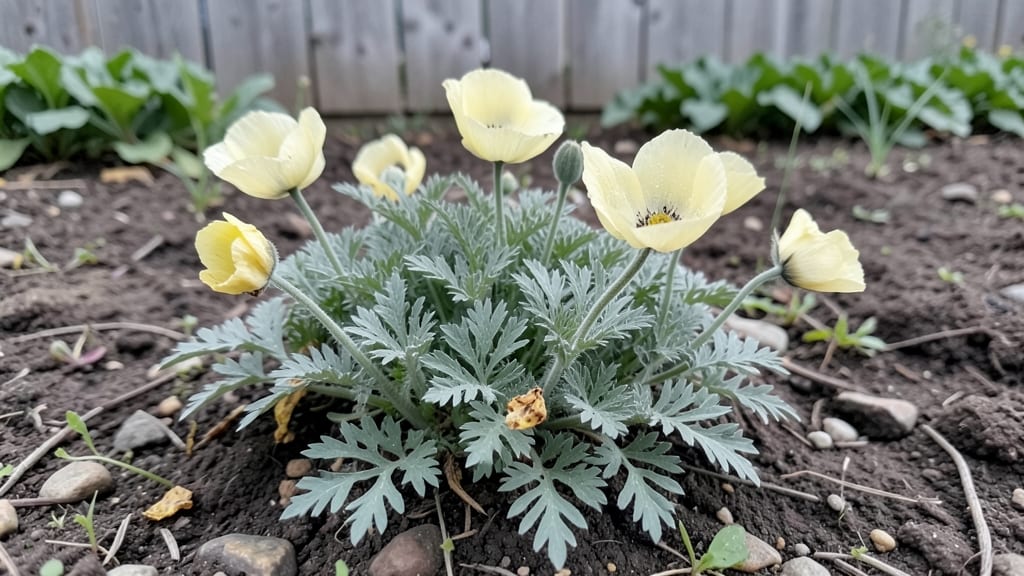
The secret to alpine poppy plants that bloom like clockwork? They’re the understated stars of drought-tolerant gardens, thriving where others falter. 🌿 I’ve grown them in rocky crevices and containers for years, and their delicate cups of color—ranging from pale pink to deep purple—never fail to turn heads.
The key isn’t fancy soil or constant care; it’s mimicking their natural habitat: well-draining mixes, full sun, and a hands-off watering approach.
You’ll need minimal supplies: a gritty soil blend (think 50% potting mix, 50% perlite or coarse sand), containers with drainage holes, and a sunny spot that gets at least six hours of light daily.
Alpine poppies despise soggy roots, so if your soil drains poorly, raise them in pots or build a rockery to improve airflow. Seeds are the easiest way to start—just scatter them on the surface and press lightly, since they need light to germinate.
By late spring, you’ll be rewarded with clusters of cup-shaped blooms that last for weeks, even in heat waves. The foliage stays lush but low-maintenance, and the plants self-seed reliably if you leave them be.
Pair them with other drought lovers like sedum or thyme for a carefree alpine garden that hums with color without demanding attention.
Here’s the catch: they’re short-lived perennials, so treat each season as a fresh opportunity to multiply them. Divide clumps in early spring or collect seeds to share—your neighbors will thank you for these effortless, sun-drenched blooms. Ready to grow a garden that thrives on neglect?
📚 In This Guide
- What you need
- Instructions
- Tips and common mistakes
- Wrapping up and next steps
What you need
- ● Alpine poppy seeds or seedlings: Choose drought-resistant varieties like Papaver alpinum or Papaver radicatum. Start with 5-10 seeds for a small patch or 20+ seeds for a full border.
- ● Well-draining soil: A mix of 50% cactus/succulent soil and 50% perlite or coarse sand (avoid heavy clay).
- ● Containers or garden bed: For containers: 5-7 inch pots with drainage holes (1 seedling per pot).
- ● For garden beds: Full sun exposure (6+ hours/day) and slightly rocky or gravelly soil (mimics alpine conditions).
- ● Watering can or spray bottle: With a fine rose nozzle to avoid disturbing seeds.
- ○ Mulch (optional but helpful): Gravel or small pebbles (¼ inch) to retain moisture and deter weeds.
- ● Gloves: Lightweight gardening gloves to protect hands from prickly stems.
- ● Hand trowel: For transplanting seedlings (if starting from seeds).
- ○ pH testing kit (optional): Alpine poppies prefer neutral to slightly alkaline soil (pH 6.5–7.5).
- ● Sunlight access: A south-facing window (for indoor starts) or a sunny outdoor spot.
- ● Patience! 😊 Alpine poppies grow slowly but thrive with minimal care.
- ● 💡 Skip the fertilizer: Alpine poppies are low-maintenance—over-fertilizing can harm them!
- ○ 🌡️ Cold stratification (optional): For faster germination, refrigerate seeds in a damp paper towel for 2–4 weeks before planting.
- ● ✨ Deadhead spent blooms: Pinch off faded flowers to encourage longer blooming seasons.
Step-by-Step guide to growing alpine poppy plants
Here's how to cultivate these delicate beauties with minimal fuss—perfect for rock gardens or containers.
🌱 Step 1: Choose the Right Location and Prepare the Soil
Alpine poppies thrive in full sun—at least 6-8 hours daily—so pick a spot where they’ll get maximum light. I always test the soil first by squeezing a handful: if it clumps tightly, mix in sandy loam to improve drainage. These plants despise soggy roots, so avoid low-lying areas where water pools.
For containers, use a well-draining mix (like the one you’ve gathered) and ensure pots have drainage holes. Alpine poppies grow best in slightly alkaline soil (pH 6.5-7.5). If your soil tests acidic, add a sprinkle of lime before planting. The goal is light, airy soil that mimics their natural rocky habitats.
🌿 Step 2: Plant Seeds or Transplants at the Right Time
Sow seeds outdoors in early spring (after the last frost) or indoors 8-10 weeks before transplanting. Press seeds lightly into the soil—they need light to germinate, so don’t bury them more than ¼ inch deep. Space them 6-8 inches apart to allow room for growth.
If using transplants, handle them gently—alpine poppies have delicate roots. Plant them at the same depth they were in their nursery pots. Water lightly after planting to settle the soil, but avoid soaking it. Overwatering at this stage can cause seedling rot, especially in heavy soil.
☀️ Step 3: Water Sparingly and Protect from Overhead Moisture
Alpine poppies are drought-tolerant once established, but young plants need consistent moisture. Water deeply once a week (or when the top inch of soil feels dry) rather than frequent light waterings. This encourages deep root growth, which makes them resilient.
Water at the base of the plant—never overhead. Wet foliage invites fungal diseases, and alpine poppies are particularly susceptible. If rain is forecast, move containers to shelter or cover them with a lightweight shade cloth to prevent waterlogging.
✂️ Step 4: Deadhead and Maintain for Continuous Blooms
After flowers fade, deadhead spent blooms by snipping them off at the base. This redirects the plant’s energy into producing more flowers rather than setting seed. I do this every 2-3 days during peak bloom to keep the display vibrant.
Fertilize lightly in early spring with a balanced, slow-release fertilizer (like the one in your supplies). Alpine poppies don’t need much—too much fertilizer leads to weak stems and fewer blooms. Mulch with gravel or coarse sand to retain moisture and suppress weeds without smothering the plants.
⏰ Step 5: Prepare for Winter and Encourage Year-Round Growth
Alpine poppies are perennial in mild climates but may die back in harsh winters. In colder areas, mulch heavily with straw or shredded leaves after the first frost to protect roots. In containers, move pots to a cool, dry place (like an unheated garage) where temperatures stay above 20°F.
Prune back dead or damaged foliage in early spring before new growth begins. This keeps the plant tidy and encourages fresh, vigorous blooms. With proper care, alpine poppies will reward you with colorful blooms from early spring through summer, often reblooming into fall.
Tips & tricks for perfect alpine poppy plant care
A few simple tricks will help you grow these stunning alpine poppies with confidence—even if you're new to gardening.
Location and Light Secret: Alpine poppies need that full sun (6-8 hours daily) to thrive, but don't just pick any sunny spot. I've found that southern exposures with afternoon shade work best in hotter climates—this prevents the delicate petals from scorching. If your garden gets intense afternoon sun, consider planting near a wall or fence that provides some natural shade during peak heat hours.
Soil Preparation Insight: The sandy loam amendment in Step 1 is crucial, but here's what nobody tells you: mix in a handful of perlite or coarse sand for even better drainage. I like to create little "mounds" of this amended soil when planting—this helps prevent water from pooling around the roots. For containers, make sure your drainage holes are at least 1/4 inch in diameter to allow proper water escape.
Planting Technique: When planting seeds in Step 2, I've learned that using a small spoon or even a toothpick helps press them just lightly into the soil without burying them too deep. The key is to keep them in contact with the soil while still allowing light to reach them. For transplants, I always water them first in their nursery pots—this helps settle the soil and makes the delicate roots less prone to breaking during transplant.
Winter Protection Strategy: That 20°F minimum temperature for containers is critical, but here's how I handle it: I wrap the pots in bubble wrap or even old blankets before moving them to the garage. This creates an insulating barrier that helps maintain more stable temperatures. In ground plantings, I add a thick layer of straw mulch and place a small board or piece of hardware cloth over the plants to protect them from heavy snow accumulation.
Pro Tips for Alpine Poppy Plants
- A few simple tricks will help you grow these stunning alpine poppies with confidence—even if you're new to gardening.
- Location and Light Secret: Alpine poppies need that full sun (6-8 hours daily) to thrive, but don't just pick any sunny spot.
- Soil Preparation Insight: The sandy loam amendment in Step 1 is crucial, but here's what nobody tells you: mix in a handful of perlite or coarse sand for even better drainage.
Frequently asked questions
Got questions about growing alpine poppy plants? You’re not alone! Here are answers to the most common queries to help you cultivate these drought-resistant beauties with confidence.
When is the best time to plant alpine poppies?
Plant alpine poppies in early spring (after the last frost) or late summer/early fall for best results. They thrive in cooler temperatures and establish roots quickly in mild weather. Avoid planting in extreme heat or frost, as their delicate roots can struggle.
How often should I water alpine poppies?
These drought-resistant stars hate soggy soil! Water them deeply but infrequently—about once a week during dry spells, then reduce to every 2–3 weeks once established. Overwatering is the #1 killer; let the soil dry out between waterings.
Can alpine poppies grow in containers?
They thrive in well-draining containers with at least 6 inches of depth. Use a mix of cactus/succulent soil and perlite for optimal drainage. Just ensure the pot has drainage holes to prevent root rot.
What pests or diseases should I watch for?
Alpine poppies are generally pest-resistant, but keep an eye out for aphids or slugs. If needed, spray with neem oil or handpick slugs. Fungal issues (like powdery mildew) can occur in humid conditions—improve airflow and avoid overhead watering.
Why aren’t my alpine poppies blooming?
Blooms may skip a year if plants are too young, over-fertilized, or stressed. Ensure they get full sun (6+ hours/day) and well-draining soil. Deadhead spent blooms to encourage reblooming, but don’t overdo it—let some seeds form for next year’s flowers!
Wrapping up and next steps
Alpine poppy plants bring year-round charm and resilience to any garden, thriving in drought conditions while adding vibrant color and texture. Whether you're a seasoned gardener or just starting, their low-maintenance nature makes them a perfect companion for sunny spots—plus, they attract pollinators and deter pests! 🌸
Ready to transform your outdoor space? Start small—plant a few alpine poppies in a sunny corner, monitor their progress, and soon you’ll be enjoying their cheerful blooms with confidence. Happy gardening! 🌱