Neem Oil
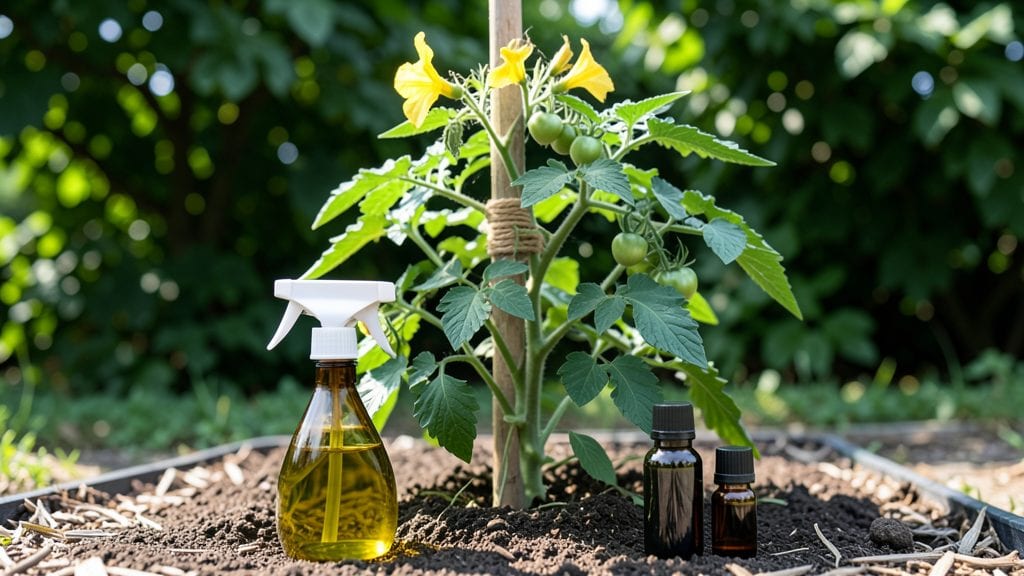
Yes, neem oil can be used on tomato plants as a natural pesticide and fungicide when diluted properly, but avoid spraying during flowering or fruiting to prevent harming pollinators and reducing yield. Apply in early morning or evening for best results.
Neem oil's active compound, azadirachtin, disrupts pests like aphids and whiteflies by interfering with their growth hormones, while also preventing fungal spores from spreading. 🌱 The key is proper dilution—typically 1-2 tablespoons per gallon of water—and applying it when bees aren't active.
I've found that adding a few drops of mild dish soap helps the solution stick better to plant surfaces.
For best results, focus on the undersides of leaves where pests hide, and reapply every 7-14 days during active growing seasons. Always test a small area first to check for sensitivity, especially with heirloom varieties that might react differently.
💡 In This Article
- How Neem Oil Works on Tomato Plant Pests and Diseases
- Proper Neem Oil Application Guide for Tomato Gardens
How neem oil works on tomato plant pests and diseases
The real powerhouse in neem oil is azadirachtin, a natural compound that acts like a biological disruptor for pests. This limonoid interferes with insects' hormonal systems, preventing them from molting properly and ultimately leading to their death within days.
For tomato plants, azadirachtin is particularly effective against aphids and whiteflies—pests that thrive on sap—because it disrupts their feeding behavior and reproduction cycles. 🌿 The compound also repels mites by altering their chemical cues, making your plants less appealing to infestations.
When it comes to fungal diseases like powdery mildew or early blight, neem oil works differently. The oil creates a protective film on plant surfaces that physically blocks fungal spores from germinating and spreading. Studies show it can reduce fungal growth by up to 70% when applied preventatively.
The oil's fatty acids also help break down the waxy coatings some fungi use to protect their spores, making them more vulnerable to environmental factors like sunlight and wind.
What makes neem oil especially valuable for organic gardening is its OMRI-listed status, meaning it meets strict organic certification standards when used correctly. Unlike synthetic fungicides, neem oil breaks down quickly in sunlight (within 24-48 hours), reducing environmental persistence.
This makes it safer for beneficial insects like ladybugs and lacewings when applied during off-hours—though you'll still want to avoid spraying when bees are active, as it can harm them directly.
The effectiveness varies by pest type. For aphids, you'll typically see control within 3-5 days of application, while whiteflies may take slightly longer due to their protective scales. Fungal diseases respond fastest when treated at the first sign of symptoms, with prevention being the most reliable strategy.
The oil's scent—often described as bitter and earthy—also acts as a deterrent, keeping pests from settling in the first place.
One common misconception is that neem oil works immediately like synthetic pesticides. In reality, its effects are more gradual, which is why consistent application is key. The compound's mechanism requires time to accumulate in pests' systems, making it ideal for long-term prevention rather than emergency treatment.
For tomato growers, this means planning ahead—especially during high-risk periods like early summer when aphids and whiteflies are most active.
For those growing tomatoes organically, neem oil offers a triple benefit: it controls pests, prevents diseases, and leaves no harmful residues when used according to guidelines.
The 1-2 tablespoon per gallon dilution rate is crucial—neat oil can burn plant tissues, while proper dilution ensures the active compounds reach pests without harming your crop. 🌱 This makes it one of the most versatile tools in any organic gardener's toolkit.