
Diseases
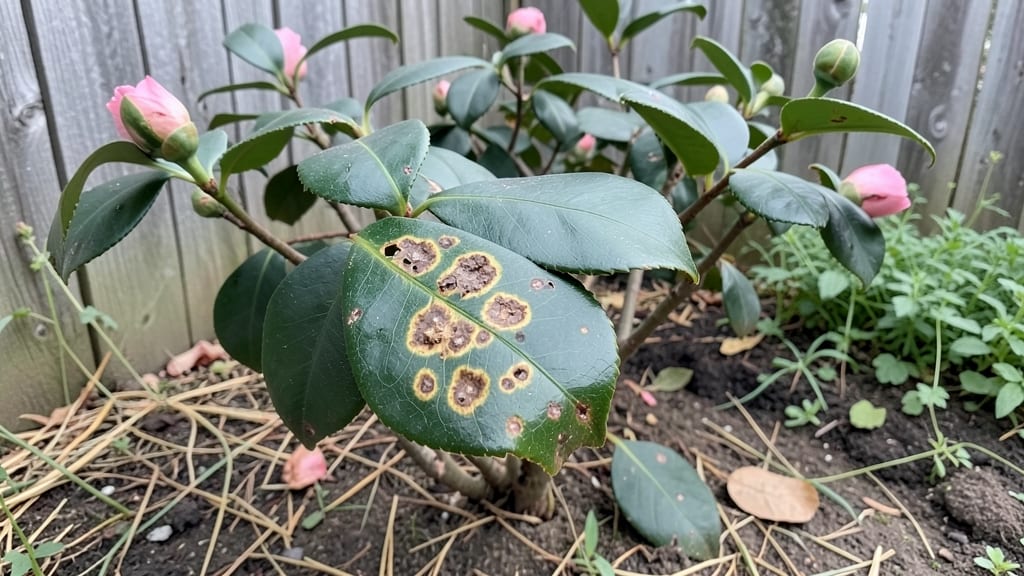
Camellia plant diseases turn those lush, glossy leaves into a gardener’s nightmare faster than you’d think. 🌿 I’ve watched perfectly healthy camellias go from showstopper blooms to sad, spotted messes in just a few weeks—until I learned to spot the early signs and act fast.
The key is catching problems like petal blight or leaf spot before they spread, because once they take hold, even organic treatments get harder to fight.
Most of these issues start with too much moisture or poor air circulation—classic mistakes when we love our camellias a little too much. Overhead watering, thick foliage, or planting too close to other shrubs creates the perfect damp, dark conditions for fungi to throw a party.
The good news? Simple fixes like pruning for airflow, watering at the base, and using copper fungicides early can stop the damage before it ruins your plant’s reputation in the neighborhood.
You’ll spot the first signs in late spring or early summer—tiny brown spots on leaves, fuzzy gray mold on buds, or petals that look like they’ve been dipped in mud.
The moment you see these, grab some neem oil or a baking soda spray (yes, really) and hit those spots hard. Within a week, you’ll see the plant shake off the infection and start looking like itself again—if you act before the disease gets cozy.
When in doubt, send a photo to your local extension office—they’ve seen it all and can tell you whether to pull out the big guns or just keep an eye on things.
The goal isn’t perfection; it’s keeping your camellias blooming year after year without turning into a science experiment gone wrong.
Root Causes Behind Camellia Struggles
Camellias are stunning, hardy plants—but when they fall ill, it’s usually due to a mix of environmental stress, microbial invaders, or poor cultural practices. Understanding the why behind these issues is the first step to prevention and recovery. Let’s break down the most common culprits and their scientific roots.
Fungal diseases are the #1 threat to camellias, thriving in damp, shaded conditions where airflow is poor. Here’s how they exploit your plant:
🍄 Fungal Spores Love Warm, Wet Conditions 🌧️
Why it happens: Fungi like Phytophthora (root rot) and Colletotrichum (anthracnose) spread via water droplets—rain, overhead irrigation, or poor drainage.
Warm temperatures (60–80°F) and high humidity create the perfect breeding ground. - The science: Fungal spores germinate when moisture lingers on leaves or soil for 12+ hours.
Once established, they penetrate plant tissues, blocking nutrient flow and causing wilting, leaf drop, or dark lesions. - Actionable fix: Space plants for airflow, water at the base (not leaves), and avoid mulching too thickly near the stem.
🍃 Weakened Plants Invite Infection 🛡️
- Why it happens: Stressed camellias (from drought, nutrient deficiency, or transplant shock) have lower defenses** against fungi. For example, Camellia dieback often follows root damage from poor drainage or compacted soil.
- The science: Healthy plants produce phenolic compounds that deter fungi.
When stressed, these compounds drop, making the plant an easy target. - Actionable fix: Test soil pH (aim for 5.5–6.5) and amend with compost or sulfur if needed. Avoid over-fertilizing with nitrogen, which promotes lush but weak growth.
Bacteria like Xanthomonas (bacterial blight) and Pseudomonas (leaf spot) enter through wounds or natural openings (like stomata). Here’s how they take hold:
💦 Water Splashes Spread Bacteria 💦
Why it happens: Unlike fungi, bacteria don’t need soil moisture—they hitch rides on rain splashes, tools, or even your hands.
Once on leaves, they multiply in humid conditions, clogging plant pores. - The science: Bacterial cells release enzymes that break down cell walls, causing water-soaked spots that turn brown and oozy. - Actionable fix: Sterilize pruners with 70% rubbing alcohol, avoid overhead watering, and remove infected leaves immediately (don’t compost them!).
🌡️ Heat + Rain = Bacterial Boom ☀️🌧️
Why it happens: Temperatures above 85°F weaken camellia cell walls, making them more permeable to bacterial entry.
Followed by rain? Perfect storm. - The science: High heat increases osmotic stress, while rain dilutes natural antimicrobial compounds (like camellia’s own tannins) on leaf surfaces. - Actionable fix: Prune for sun exposure (but avoid midday scorching) and water deeply in the morning to reduce evening humidity.
You might not think of insects as disease spreaders, but many wound camellia tissue, creating entry points for pathogens:
🐜 Scale, Aphids, and Mites Create Open Wounds 🩹
Why it happens: These pests pierce plant cells to feed, leaving sticky honeydew that fosters sooty mold (a secondary fungal infection).
Their saliva also suppresses the plant’s immune response. - The science: Honeydew’s sugar content feeds yeast and mold, while mechanical damage disrupts the cuticle barrier, inviting bacteria. - Actionable fix: Blast pests off with water (not soap—it can harm leaves) or use neem oil (apply at dusk to avoid burning).
🐛 Root-Knot Nematodes Sabotage Roots 🌿
Why it happens: These microscopic worms burrow into roots, causing galls (knobby growths) that block water and nutrient uptake.
Weak roots = higher susceptibility to root rot. - The science: Nematodes release enzymes that dissolve root cells, while their feeding triggers systemic stress hormones in the plant. - Actionable fix: Solarize soil in summer (cover with clear plastic for 4–6 weeks) or plant marigolds (nematode-repelling companions).
Sometimes, diseases aren’t the villain—your camellia’s surroundings are.
💧 Overwatering Drowns Roots 🚿
- Why it happens: Camellias hate soggy feet. Poor drainage or clay soil traps water, leading to anaerobic conditions where Phytophthora thrives.
- The science: Roots need oxygen to respire.
Without it, they suffocate, release toxic metabolites, and become prime targets for rot. - Actionable fix: Amend soil with perlite or sand, and plant on a slight mound to improve drainage.
☀️ Sunburn or Frost Weakens Leaves ❄️🔥
- Why it happens: Sudden intense sun (after winter dormancy) or frost damage disrupts leaf cell membranes, making them more permeable to pathogens.
- The science: Damaged cells leak nutrients, attracting fungi and bacteria like a buffet.
- Actionable fix: Gradually acclimate camellias to sun (start with morning shade) and mulch heavily in winter to insulate roots.
Fertilizers and pesticides, when misused, can weaken camellias and invite disease.
💥 Over-Fertilizing Burns Roots 🌱
- Why it happens: Excess salt or nitrogen (from synthetic fertilizers) disrupts microbial balance in the soil, while burning roots create entry points for disease.
- The science: High salt levels alter soil pH, reducing beneficial mycorrhizal fungi that protect roots.
- Actionable fix: Use organic, slow-release fertilizers (like fish emulsion) and flush soil annually with water to reduce salt buildup.
🛡️ Pesticide Overuse Kills Beneficial Microbes 🦠
- Why it happens: Broad-spectrum fungicides or insecticides wipe out antagonistic microbes** (like Trichoderma fungi) that naturally suppress pathogens.
- The science: These "good" microbes compete with bad ones for space and nutrients.
Without them, harmful fungi and bacteria take over unchecked. - Actionable fix: Rotate biological controls (e.g., Bacillus subtilis sprays) and reduce synthetic inputs by 50% if diseases persist.
Quick Fixes for Camellia Ailments
Reviving your camellia plant starts with identifying the root cause—but once you know what’s ailing it, action is key. Below are practical, step-by-step solutions for common camellia diseases, paired with prevention tips to keep your plant thriving.
Whether it’s fungal foliar spots, bacterial blights, or pest-related stress, these fixes are designed to be easy, organic, and effective.
Fungal diseases like anthracnose, petal blight, or powdery mildew thrive in damp, humid conditions. Here’s how to stop the spread and restore your camellia’s health:
🔥 Remove Infected Parts Immediately
- 👨🍳 Prune infected leaves, buds, or stems using sterilized pruners (wipe with rubbing alcohol between cuts).
- 🗑️ Dispose of infected material in a sealed trash bag—do not compost to prevent reinfection.
- ✂️ Thin out dense foliage to improve airflow (fungi love stagnant, moist air).
🌡️ Apply Fungicidal Sprays (Organic Options)
Use these DIY or store-bought treatments at the first sign of fungus: - 🍋 Baking soda spray: Mix 1 tsp baking soda + 1 tbsp vegetable oil + 1 tsp mild soap per quart of water.
Spray every 7–10 days until symptoms disappear. - 🌿 Neem oil solution: Combine 1 tbsp neem oil + 1 tsp mild soap per gallon of water.
Spray early morning or evening (avoid direct sunlight) twice weekly for 2–3 weeks. - 🍄 Copper fungicide (organic): Follow label instructions for preventative sprays during rainy seasons.
🌧️ Adjust Watering & Environment
- 💧 Water at the base (avoid wetting leaves) and early in the day so foliage dries quickly.
- 🌬️ Improve airflow by spacing plants 3–5 feet apart and pruning to open the canopy.
- ☀️ Ensure 6+ hours of sunlight daily—fungi flourish in shady, damp conditions.
💡 Pro Tip: Prevent recurrence by mulching with pine needles or cedar chips (natural fungicides) and avoiding overhead irrigation.
Bacterial infections like bacterial blight or leaf spot cause yellowing, wilting, or oozing sores. Unlike fungi, bacteria spread rapidly—act fast!
🧼 Sterilize Tools & Workspace
- ⚠️ Clean pruners with 70% rubbing alcohol before and after each cut.
- 🧼 Disinfect pots with a 10% bleach solution (1 part bleach to 9 parts water) if repotting.
🚫 Remove & Destroy Infected Growth
- 🗑️ Prune infected leaves/stems and burn or trash them (do not compost).
- 🌱 Isolate the plant if possible to prevent bacterial spread to other camellias.
💊 Copper-Based Bactericides
- 🍄 Use copper fungicide (also effective against bacteria) or copper soap (follow label rates).
- 🌿 Repeat applications every 7–14 days until new growth is healthy.
🌱 Boost Plant Immunity
- 💪 Fertilize with compost tea or fish emulsion (rich in beneficial microbes).
- 🌿 Avoid wounding the plant (rough pruning or physical damage invites bacteria).
💡 Pro Tip: Bacterial diseases love wet foliage—water deeply but infrequently (drought-stressed plants are less susceptible).
Pests weaken camellias, making them vulnerable to secondary diseases. Here’s how to kick them out for good:
🔍 Inspect & Isolate Infested Plants
- 🔎 Check undersides of leaves, buds, and stems for sticky residue (honeydew), webs, or tiny bugs.
- 🚫 Quarantine affected plants until pests are gone.
💦 Blast Off Pests with Water
- 🚿 Use a strong spray of water (from a hose or spray bottle) to knock off aphids and spider mites.
- 🌧️ Repeat every 2–3 days for severe infestations.
🍋 Homemade Pest Sprays - 🍋 Soap spray: Mix 1 tbsp mild liquid soap + 1 quart water.
Spray directly on pests (avoid flowers). - 🌿 Neem oil spray (as above) disrupts pest life cycles. - 🍎 Garlic spray: Blend 2 garlic cloves + 1 quart water, strain, and spray weekly (repels soft-bodied pests).
🐝 Encourage Natural Predators
- 🐝 Ladybugs, lacewings, and parasitic wasps eat aphids and mites. Plant companion flowers (like marigolds or dill) to attract them.
- 🕷️ Release beneficial nematodes (for soil-dwelling pests like scale insects).
💡 Pro Tip: Avoid broad-spectrum insecticides—they kill beneficial insects too! Spot-treat only when necessary.
If your camellia is weak from disease or pests, follow this 3-step recovery plan:
- 🌿 Trim Back Severely Damaged Growth
- Cut
- ✂️ Make clean cuts at a 45° angle just above a leaf node.
- 💧 Hydrate & Feed Gently
- 🍃 Feed with balanced organic fertilizer (10-10-10) after new growth appears.
- 🌿 Monitor & Maintain
- 🌧️ Adjust care based on weather (e.g., reduce watering in winter to prevent fungal growth).
✨ Final Prevention Checklist:
- ✅ Prune regularly to improve airflow.
- ✅ Sterilize tools before and after use.
- ✅ Water at the base (never overhead).
- ✅ Mulch with organic matter (avoid plastic).
- ✅ Inspect plants weekly** for early signs of trouble.
Frequently asked questions about camellia plant diseases
What are the first signs of petal blight in camellias?
Look for dark, water-soaked spots on petals that spread rapidly, often accompanied by a fuzzy gray mold. Infected blooms may also appear stunted or deformed. This fungal disease thrives in humid conditions, so check buds and new growth during rainy seasons.
Can I save a camellia with bacterial leaf spot?
Yes, but act fast! Prune off infected leaves immediately (don’t compost them) and apply copper fungicide every 7-14 days. Sterilize tools between cuts to prevent spread. For severe cases, isolate the plant until symptoms disappear—bacterial infections spread quickly through water splashes.
Why does my camellia keep getting fungal infections?
Overwatering, poor airflow, and thick mulch create the perfect breeding ground for fungi. Water only at the base (never overhead), space plants 3-5 feet apart, and prune to improve circulation. Use pine needle mulch (natural fungicide) instead of wood chips.
Is neem oil safe to use on flowering camellias?
Yes, but apply it only at dusk or dawn to avoid harming pollinators. Mix 1 tbsp neem oil + 1 tsp mild soap per gallon of water and spray every 2-3 days for fungal/bacterial issues. Stop treatments 2 weeks before blooming to protect flowers.
When should I call a professional for camellia diseases?
If 50%+ of leaves are infected, roots appear mushy (root rot), or home treatments fail after 3 weeks, consult an arborist. Chronic issues may require soil testing or systemic fungicides that require professional application.