
Plants
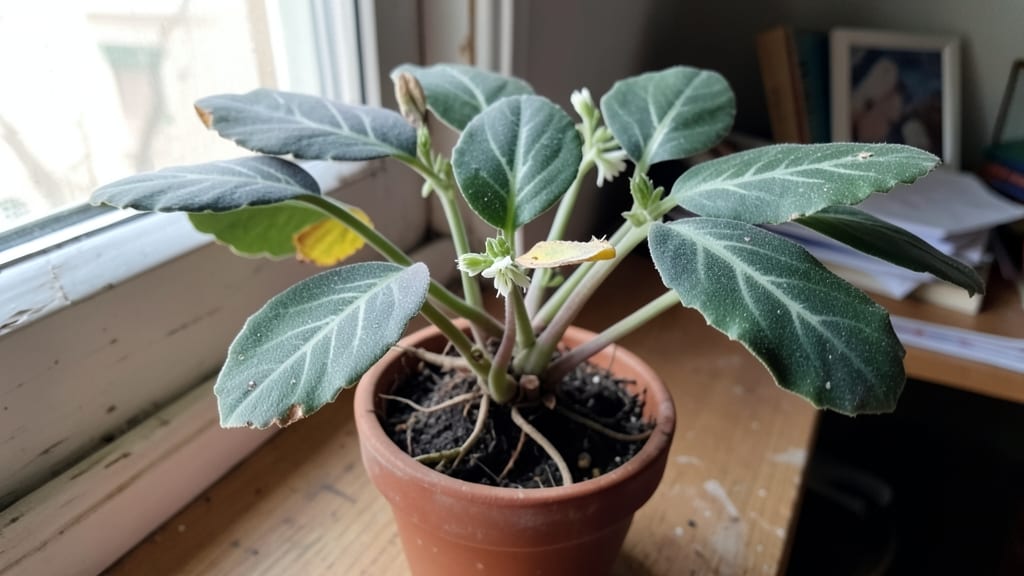
The butterfly leaf plant thrives best in bright, indirect light, tolerating low to medium light but losing vibrant foliage in dim conditions. East or north-facing windows are ideal, while direct sunlight can scorch its delicate leaves. Rotate occasionally for even growth and monitor for leaf color shifts as a light indicator.
The butterfly leaf plant's stunning foliage depends on proper light exposure—too little dulls its signature patterns while too much causes leaf burn. 💫 This tropical beauty thrives in filtered sunlight, mimicking its native understory habitat where dappled light creates its iconic variegated leaves.
I’ve found that placing it near a sheer curtain window in spring/summer prevents sun damage while maintaining vibrant colors, while winter’s weaker light may require supplemental grow lights for 4-6 hours daily to prevent fading.
What’s fascinating is how light directly impacts its growth patterns. When exposed to consistent indirect light, the plant grows more compact and bushier, while low light often results in elongated stems and pale leaves.
Rotating your plant every few weeks ensures even exposure, preventing lopsided growth—a common issue with these fast-growing beauties.
💡 In This Article
- Optimal Lighting Conditions for Butterfly Leaf Plant Health
- Adjusting Light for Butterfly Plant Leaf Patterns
Optimal lighting conditions for butterfly leaf plant health
The butterfly leaf plant (Maranta leuconeura) thrives on 400-600 foot-candles of indirect light, which triggers optimal photosynthesis without stressing its delicate foliage. Its leaves contain chlorophyll and anthocyanins—pigments that absorb blue and red light wavelengths (400-500nm and 600-700nm) for energy while reflecting green light.
This light absorption creates the plant's signature variegated patterns, where white or pale regions have less chlorophyll but still rely on nearby green cells for energy distribution. 🌿
East-facing windows provide the perfect balance: morning sunlight is bright but not intense, delivering 300-500 foot-candles that prevent leaf burn while maintaining vibrant colors. West-facing windows, however, can deliver 1,000+ foot-candles in afternoon sun, causing leaf edges to crisp and turn brown—a sign of photoxidative damage.
North-facing windows offer consistent 200-400 foot-candles, ideal for maintaining growth during summer's peak light intensity. The key is diffused light, which mimics the plant's natural understory habitat where sunlight filters through canopy leaves.
Here's what happens when light conditions go wrong: In low light (<200 foot-candles), chlorophyll production slows, causing leaves to lose their striking patterns and develop pale, dull green hues. The plant may also grow "leggy" as it stretches toward any available light source.
Conversely, direct sunlight causes chlorophyll to overproduce, leading to leaf burn where cells rupture from excess energy. This manifests as brown or yellow patches along leaf edges—a clear distress signal. 🌞
Seasonal adjustments are crucial: During summer, place your plant 6-12 feet from a south-facing window with sheer curtains to filter UV rays. In winter, supplement with a 6000K LED grow light for 4-6 hours daily to maintain photosynthesis levels.
The plant's variegation actually serves as a built-in light meter—when patterns fade, it's a sign to increase light exposure gradually over 1-2 weeks to avoid shocking the plant.
For visual reference, compare these effects:
- East window: Consistent growth, vibrant patterns, 3-4 inch new leaves monthly
- West window: Brown leaf edges, stunted growth, 1-2 inch new leaves monthly
- North window: Slow growth, pale leaves, 2-3 inch new leaves every 6 weeks
The plant's growth patterns also reveal its light history: Leaves produced in brighter conditions will have more pronounced variegation, while those grown in low light appear uniformly green. This is because anthocyanins (responsible for red/purple hues) require specific light wavelengths to develop fully. 🌈 By observing these patterns, you can diagnose light conditions even before visual damage appears.