
Pests
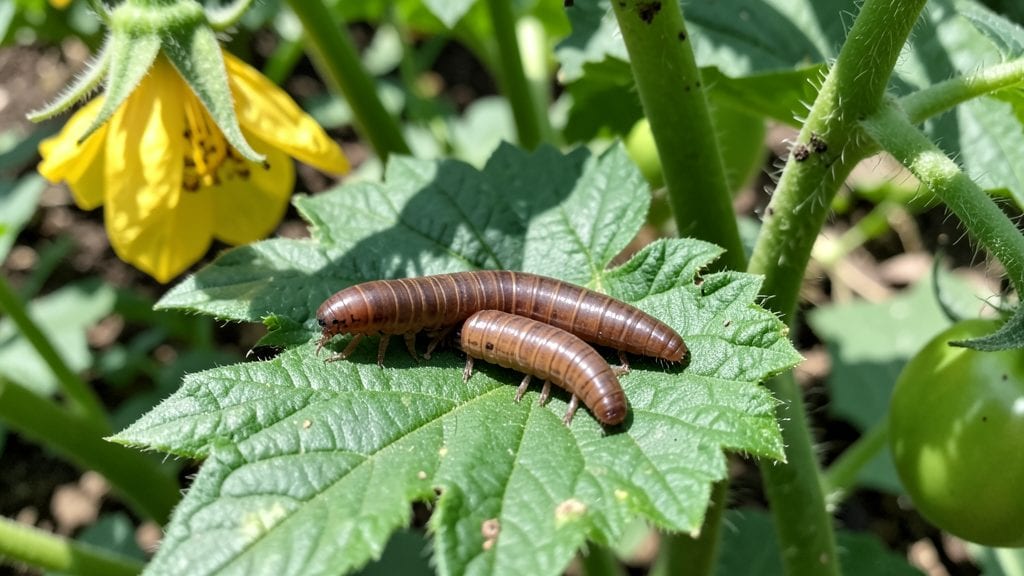
Those fat brown worms munching your tomato leaves? 🌱 They’re hornworms—and they can strip a plant bare in days if you don’t act fast. I’ve lost entire harvests to them before learning the simple, organic tricks that work in minutes without harming bees or your soil.
The good news? You don’t need toxic sprays. A quick handpick during evening hours (when they’re sluggish) or a spray of neem oil mixed with water knocks them out fast. The key is acting before they reach the 2-inch mark—that’s when they become nearly impossible to remove by hand.
After treatment, your plants bounce back surprisingly fast. Within 3-5 days, new leaves fill in, and the vines redirect energy to fruit instead of repair. The real secret? Prevention—planting basil nearby confuses their scent trails, and inviting praying mantises to your garden turns them into natural allies.
This works for hornworms, cutworms, and even root-knot larvae—no matter what’s chewing your tomatoes. The methods here are zone-agnostic, so whether you’re in the South’s heat or the North’s cooler summers, these steps keep your plants safe and productive.
Root Causes Of Worm Infestations
When you spot brown worms munching away on your tomato plants, it’s rarely a random act of nature—it’s usually a sign of specific conditions that invite these pests. Understanding the why behind their presence is the first step to stopping them before they destroy your harvest.
Let’s break down the most common triggers, from environmental factors to plant vulnerabilities.
Tomato worms—often hornworms or fruitworms—are drawn to ripe, soft, or injured fruit. Here’s why:
- Sugar & Moisture Signals: Ripe tomatoes release volatile organic compounds (VOCs) that act like a dinner bell to moths and beetles. These pests lay eggs near or on fruit, and the emerging larvae (those brown worms) burrow in immediately.
- Physical Entry Points: Cracked, bruised, or sun-scalded tomatoes provide easy access. A small wound is all a worm needs to slip inside and start feeding.
- Overripe Debris: Dropped or rotting fruit on the ground becomes a breeding ground. Eggs laid here hatch into worms that crawl onto healthy plants.
💡 Pro Tip: Harvest tomatoes as soon as they ripen (even if not fully red) and remove any fallen fruit daily. Store picked tomatoes in a cool, dry place to avoid attracting pests.
Female moths and beetles are strategic about where they deposit eggs. These spots create ideal conditions for worm survival:
- Undersides of Leaves: Many tomato pests (like tomato hornworms) prefer the shaded, humid environment under leaves. Eggs laid here hatch quickly in warmth.
- Stems & Cracks in Bark: Some beetles (e.g., colorado potato beetles) chew into stems or hide in plant crevices to lay eggs, ensuring larvae have direct access to sap and young growth.
- Soil Surface Near Roots: Root-feeding worms (like cutworms) lay eggs in moist, organic-rich soil. These worms chew through stems at ground level, killing plants overnight.
🔥 Action Step: Inspect leaves and stems weekly, especially after dusk when moths are most active. Remove eggs (tiny, round, or oval) with a damp cloth or spray them with soapy water.
Worms thrive in specific weather conditions that accelerate their life cycle. Here’s how climate plays a role:
| Factor | Why It Helps Worms | How to Adjust |
|---|---|---|
| High Heat (80°F+) | Speeds up egg hatching and larval growth. Worms become more aggressive feeders. | Use shade cloth (30–50%) over plants in peak summer. |
| High Humidity | Keeps eggs moist and prevents desiccation. Ideal for fungal gnat larvae too. | Improve airflow with pruning and spacing plants 18–24" apart. |
| Frequent Rain | Washes eggs into soil, where they hatch near roots. Also dilutes natural predators. | Mulch with straw (not leaves) to absorb excess moisture. |
✨ Organic Fix: Encourage predatory wasps (like braconid wasps) by planting dill, fennel, or parsley nearby. These wasps lay eggs inside tomato hornworms, killing them naturally.
A healthy tomato plant is less appealing to pests. Stress signals (like nutrient deficiencies or disease) make plants more vulnerable:
- Nitrogen Deficiency: Yellowing leaves signal low protein, which worms love. They need nitrogen to grow their own bodies.
- Fungal/Bacterial Infections: Spots, wilting, or oozing sap create entry points. Worms exploit these weak spots to feed and hide.
- Overcrowding: Plants competing for resources produce smaller, sweeter fruit—prime targets for fruitworms.
💪 Prevention: Feed plants with compost tea or a balanced organic fertilizer (like 5-5-5) every 4–6 weeks. Avoid overwatering, which promotes fungal growth.
By addressing these root causes—removing attractants, disrupting egg-laying sites, controlling microclimates, and boosting plant health—you’ll make your tomato garden far less inviting to brown worms. The key is consistency: pests don’t stop after one treatment, so stay vigilant!
Quick Fixes for Wormy Tomato Plants
Brown worms munching on your tomato plants can feel like a nightmare, but don’t panic—there are effective, organic solutions to evict them fast. Below, we’ve mapped the most common causes to the best fixes, plus prevention tips to keep your garden worm-free long-term.
Before acting, confirm whether your worms are hornworms, cutworms, or tomato fruitworms (larvae of moths).
Each has slightly different habits and weaknesses: - Hornworms: Large, green, striped, and voracious (they’ll devour leaves overnight). - Cutworms: Brown or black, burrow at the base of stems, and sever plants at night. - Fruitworms: Tiny, brown, and hide inside tomatoes, leaving holes and droppings.
👨🍳 For Hornworms & Large Leaf-Eaters
Hornworms are the bully of the garden—they strip plants bare. Here’s how to stop them:
- 🔪 Handpick & Drown Them - When: Early morning (they’re sluggish and easier to spot). - How: Wear gloves, pluck them off, and drop them into soapy water.
Check undersides of leaves—they love to hide! - Pro Tip: 💡 Time it right: Pick after rain when they’re extra visible.
- 🌿 Introduce Beneficial Predators
- Parasitic wasps (like Cotesia congregata) lay eggs in hornworms, killing them naturally. Order them online or attract them with dill or fennel plants nearby.
- Praying mantises also hunt hornworms—place egg cases in your garden.
- 🥘 Neem Oil Spray (For Heavy Infestations)
- Mix 1 tbsp neem oil + 1 tsp mild soap + 1 quart water. Spray directly on worms (not just leaves) every 3–4 days.
- ⚠️ Warning: Avoid spraying in direct sunlight (it burns plants).
🍲 For Cutworms (The Stem-Snipping Saboteurs)
Cutworms are sneaky—they chew stems at soil level, toppling seedlings overnight.
- 🌙 Collar Barriers - What you need: Cardboard tubes, plastic collars, or even aluminum foil. - How: Wrap the base of young tomato plants with a 2-inch-high barrier.
Cutworms can’t climb it! - Pro Tip: 🌡️ Chill them out: Sprinkle diatomaceous earth around the base—it dehydrates their waxy skin.
- 🕯️ Flashlight Patrol at Night
- Cutworms are nocturnal. Shine a flashlight on the garden after dark—they’ll uncurl and expose themselves. Squish or drop them in soapy water.
- 🍎 Beer Traps (Yes, Really!)
- Bury a shallow container (like a tuna can) filled with beer near plants. Cutworms are attracted to the yeast and drown. Refresh every few days.
🥘 For Tomato Fruitworms (The Sneaky Insiders)
These tiny worms burrow into tomatoes, leaving ugly holes and frass (poop). They’re harder to spot but easy to outsmart.
- 🧹 Physical Barriers
- Floating row covers: Use lightweight fabric over young plants to block moths (future fruitworms) from laying eggs.
- 🍅 Bag developing tomatoes: When tomatoes are golf-ball size, use paper bags (poke holes for ventilation) to trap worms inside.
- 🍋 Spinosad Spray (OTC Organic Pesticide)
- What it is: A natural bacteria-based spray (Bacillus thuringiensis var. kurstaki).
- How: Spray every 5–7 days at dusk (avoids harming bees). It’s safe for humans and pets once dry.
- 🧂 Saltwater Soak (For Infested Fruit)
- If worms are already inside tomatoes, don’t eat them. Instead, soak infested fruit in saltwater for 24 hours to kill larvae before composting.
An ounce of prevention saves a pound of heartache. Try these long-term strategies:
| Tactic | How to Do It | Why It Works |
|---|---|---|
| 🌱 Crop Rotation | Avoid planting tomatoes in the same spot for 3+ years. | Disrupts worm life cycles. |
| 🌿 Companion Planting | Plant basil, marigolds, or onions near tomatoes. | Masks tomato scent, confuses moths. |
| 🌙 Garden Hygiene | Remove fallen leaves/debris weekly. | Eliminates hiding spots for eggs/larvae. |
| 🕰️ Early Monitoring | Check plants 2x/week for eggs (tiny white clusters). | Catches infestations before they explode. |
| 🌡️ Heat Treatment | Solarize soil in spring: Cover beds with clear plastic for 4–6 weeks. | Kills overwintering pupae. |
- 🔥 Speed up recovery: If worms have defoliated plants, prune damaged leaves to encourage new growth. - 🌱 Boost plant health: Worm-free plants bounce back faster.
Fertilize with compost tea for resilience. - 🚫 Avoid chemical pesticides: They kill beneficial insects (like ladybugs) that also eat pests.
Remember: The key is consistency. Check your plants daily during outbreaks, and combine 2–3 methods for best results. With these tricks, your tomato plants will be worm-free in no time—and you’ll enjoy juicy, hole-free tomatoes all season! 🍅💚
Frequently asked questions
What kind of brown worms are eating my tomato plants?
Most brown worms on tomato plants are either hornworms (large, green-striped larvae), cutworms (smooth, brown/black), or tomato fruitworms (tiny, burrowing into tomatoes). Hornworms are the most common and can grow up to 4 inches long. Check undersides of leaves and stems for eggs or tiny worms.
Are these brown worms harmful to humans?
No, tomato worms are not harmful to humans—they’re just pests. However, fruitworms inside tomatoes can make them inedible. Always inspect tomatoes before eating, and discard any with holes or worm droppings. Washing won’t remove internal worms, so compost infested fruit instead.
Will neem oil kill tomato worms?
Yes! Neem oil disrupts worms’ feeding and growth hormones. Mix 1 tablespoon neem oil + 1 teaspoon mild soap + 1 quart water and spray directly on worms (not just leaves). Reapply every 3-4 days until they’re gone. Spray at dusk to avoid harming bees and apply in shady areas to prevent plant burn.
How do I prevent brown worms next season?
Start with crop rotation—avoid planting tomatoes in the same spot for 3+ years. Use floating row covers early in the season, plant basil or marigolds nearby (they repel pests), and encourage natural predators like praying mantises and parasitic wasps by adding dill or fennel to your garden.
Why do I keep getting worms even after treating them?
Worms often return because their eggs or pupae remain in the soil or plant debris. Remove all fallen leaves and weeds weekly, and consider soil solarization (covering beds with clear plastic for 4-6 weeks in spring) to kill overwintering pupae. Also, check for hidden eggs on stems and undersides of leaves.