
Planting
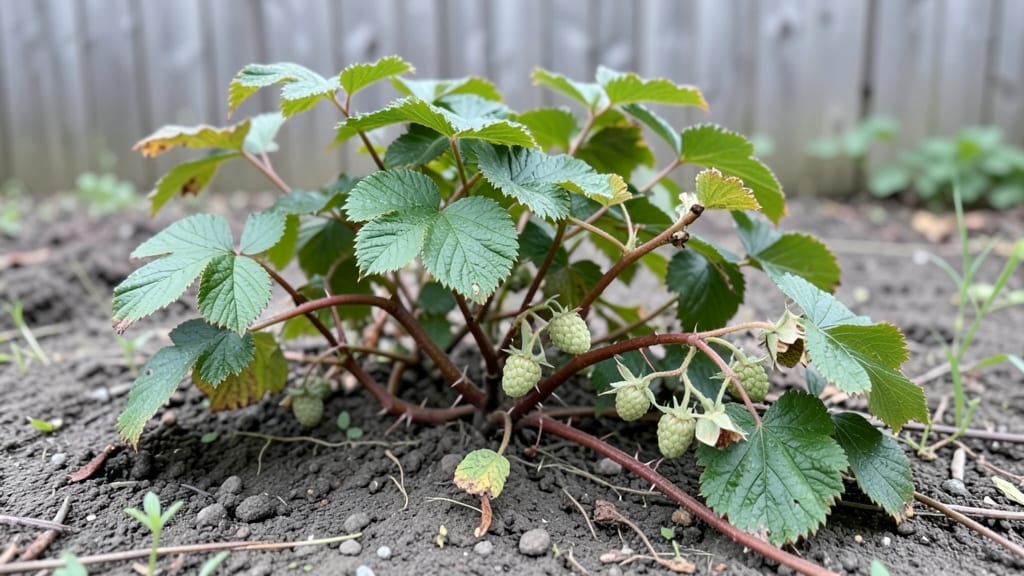
Growing Boyne raspberries in Zone 3-4 means you can finally enjoy fresh berries without worrying about winter kill. 🌱 I planted mine last spring, and they’ve already outproduced store-bought varieties—despite our brutal winters. The key is understanding their unique needs, from soil prep to winter protection.
These hardy bushes thrive in well-draining soil with a slightly acidic pH (6.0–6.5), and they love full sun (6+ hours daily). You’ll need a support trellis to keep canes upright, and mulch helps retain moisture while protecting roots from freeze-thaw cycles.
Plant crowns 2–3 inches deep in early spring or fall for best results.
Once established, Boyne raspberries reward you with sweet, firm berries that ripen in mid-summer. Prune old canes in late winter and fertilize lightly in spring—no fancy equipment needed. The biggest challenge? Birds. Netting saves your harvest every time.
Winter hardiness is their superpower: these plants bounce back from -30°F with proper care. By year three, you’ll have pound after pound of berries with minimal effort. Ready to grow your own? Let’s get those canes in the ground!
📚 In This Guide
- What you need
- Instructions
- Tips and common mistakes
- Wrapping up and next steps
What you need
- ● Boyne raspberry bare-root plants (2-5) – Choose healthy, disease-free canes from a reputable nursery.
- ● Shovel or spade – For digging planting holes (12-18 inches deep).
- ● Garden gloves – To protect your hands from thorns and soil.
- ● Compost or well-aged manure (5-10 gallons) – To enrich the soil.
- ● Balanced fertilizer (10-10-10, 1 lb) – For initial planting nutrition.
- ● Mulch (straw or wood chips, 2-3 inches) – To retain moisture and insulate roots.
- ● Drip irrigation or hose with nozzle – For consistent watering.
- ● Trellis or strong stakes (4-6 ft tall) – To support raspberry canes (floricanes or primocanes, depending on variety).
- ● Pruning shears – For shaping and maintaining plants.
- ● Soil test kit – To check pH (ideal: 5.5-6.5) and adjust if needed.
- ● Row cover or frost cloth – For extra protection in early spring or late fall.
- ● Organic pest control (neem oil, diatomaceous earth) – To deter insects like spider mites.
- ● Weed barrier fabric – To reduce competition for nutrients.
- ● Plant tags or labels – To track varieties and planting dates.
Step-by-Step instructions for planting and cultivating Boyne raspberries
Here's the foolproof method I've used to grow thriving Boyne raspberry canes in harsh Zone 3-4 winters.
🌱 Step 1: Select and Prepare the Planting Site
Boyne raspberries thrive in full sun (at least 6-8 hours daily) and well-draining soil with a pH between 5.5-6.5. Choose a site with 6+ feet of clearance on all sides—these canes grow 5-7 feet tall and need room to spread. I always test soil drainage by digging a 12-inch hole, filling it with water, and checking if it drains within 4-6 hours. If water pools, amend with 2-3 inches of compost and 1 inch of coarse sand before planting.
This variety handles cold beautifully, but avoid low-lying areas where frost settles. A south-facing slope gives them the warmth they need early in the season. I mark the planting zone with stakes and twine to visualize the 4-foot wide, 6-foot long bed we'll create for our four plants.
🪴 Step 2: Plant Bare-Root Canes at the Right Time and Depth
Plant bare-root canes in early spring, as soon as the soil can be worked (when it's dry enough to crumble but not powdery). Soak the roots in lukewarm water for 2-3 hours before planting to rehydrate them. Dig a trench 12-18 inches wide and 12 inches deep, spacing canes 4 feet apart in rows 5 feet apart. This gives roots plenty of room to establish before fruiting.
Place each cane in the trench so the crown (bud union) sits just 1-2 inches below soil level—burying too deep suffocates the plant, while planting too high leaves roots exposed. Backfill with the native soil, firming gently to eliminate air pockets. Water immediately with 1 gallon per plant to settle the soil and encourage root contact.
☀️ Step 3: Mulch and Train Canes for Winter Hardiness
Spread 4-6 inches of straw mulch around each plant, keeping it 6 inches away from the crown to prevent rot. This insulates roots during Zone 3-4 winters when temperatures drop below -20°F. I also install J-shaped wire trellises (6 feet tall) at planting time to support canes as they grow. Boyne raspberries produce summer and fall fruit, so training early prevents tangled canes and makes harvesting easier.
Remove all primocanes (first-year growth) in late fall—they won't fruit and sap energy from root development. Cut back floricanes (fruit-bearing canes) to the ground after harvest. This pruning cycle ensures stronger canes and higher yields the following season. Label each plant with wooden stakes to track varieties if you're growing multiple types.
💧 Step 4: Water and Fertilize for Maximum Yield
Water deeply once weekly during the first growing season, aiming for 1-1.5 inches of water per week. Boyne raspberries are drought-tolerant once established, but young plants need consistent moisture to develop strong roots. You'll know you're watering correctly when the top 2 inches of soil feel moist but not soggy. Reduce watering in late summer to harden off canes before winter.
Apply 10-10-10 fertilizer at planting time, then again in early spring before new growth begins. I avoid high-nitrogen fertilizers after fruiting—they encourage leafy growth at the expense of next year's crop. Instead, top-dress with 2 inches of compost in late fall to replenish nutrients naturally. Watch for yellowing leaves (a sign of nitrogen deficiency) or small, tart berries (a sign of phosphorus deficiency).
✂️ Step 5: Prune and Harvest for Continuous Production
In early spring, remove any dead, diseased, or crossing canes to improve airflow and sunlight penetration. Boyne raspberries produce summer fruit on primocanes (current year's growth) and fall fruit on floricanes (previous year's growth). Leave 6-8 of the strongest primocanes per plant—more than that weakens the plant and reduces fruit quality. Thin canes by cutting at the base with clean, sharp pruners to prevent disease spread.
Harvest when berries are deep red and fully plump, usually in late July and again in September. Pick every 2-3 days to encourage continuous production. I use gloves—raspberries stain hands and can irritate skin. Store harvested berries in the fridge for up to 3 days or freeze for long-term storage. After harvest, prune floricanes to the ground and remove any remaining primocanes to prepare for winter.
Tips & tricks for perfect Boyne raspberry cultivation
These hard-won insights will help you coax the most from your cold-hardy Boyne raspberries—especially in our brutal Zone 3-4 winters.
Soil Preparation Secret: That 4-6 hour drainage test in Step 1 is non-negotiable. I've learned the hard way that soggy roots lead to root rot, even with Boyne's cold tolerance. If your soil drains too slowly, mix in 1 inch of coarse sand and 2-3 inches of compost—this creates that perfect airy root zone they crave. Think of it as building a drainage layer for their winter survival kit.
Planting Depth Precision: Getting that 1-2 inch crown depth in Step 2 is trickier than it sounds. I use a pencil to mark the crown level before planting—this visual cue prevents me from burying too deep (which suffocates) or planting too high (which exposes roots). After backfilling, gently press the soil around the roots to eliminate air pockets, then water immediately with 1 gallon per plant. This mimics natural rain and helps roots establish contact with the soil.
Winter Protection Strategy: The 4-6 inches of straw mulch in Step 3 isn't just decoration—it's insulation. I spread it after the first hard frost, piling it high enough to protect down to the 20°F zone where roots extend. For extra protection in our Zone 3 winters, I add a 12-inch layer of straw on top of the mulch during extreme cold snaps. This creates a thermal blanket that keeps roots from freezing, even when air temps drop below -20°F.
Pruning Timing Hack: That early spring pruning in Step 5 is critical, but timing matters. Wait until you see new growth buds appearing—this means the plant has broken dormancy and can handle pruning without stress. I also sterilize my pruners with rubbing alcohol between cuts to prevent spreading diseases. Remember, you're shaping the plant's energy for next year's harvest, so be ruthless with those dead or crossing canes.
Pro Tips for Boyne Raspberry Plant
- These hard-won insights will help you coax the most from your cold-hardy Boyne raspberries—especially in our brutal Zone 3-4 winters.
- Soil Preparation Secret: That 4-6 hour drainage test in Step 1 is non-negotiable.
- Planting Depth Precision: Getting that 1-2 inch crown depth in Step 2 is trickier than it sounds.
Frequently asked questions
Got questions about growing Boyne raspberries in your cold-climate garden? You’re not alone! Here are answers to the most common queries to help you cultivate this hardy variety with confidence.
How cold can Boyne raspberries tolerate in Zone 3-4?
The Boyne raspberry is a prime choice for Zone 3-4 gardens, surviving winter temps down to -30°F (-34°C) with proper protection like mulch or row covers. Its cold hardiness makes it ideal for northern climates where traditional raspberries struggle.
When is the best time to plant Boyne raspberries in cold climates?
Plant bare-root Boyne raspberries in early spring (as soon as the soil is workable) or early fall (4-6 weeks before frost). Avoid planting in summer heat, which can stress young roots. Fall planting gives roots time to establish before winter.
How long does it take for Boyne raspberries to produce fruit?
With patience, Boyne raspberries typically bear fruit in 1-2 years after planting. Prune aggressively in the first year to encourage strong canes, and expect a full harvest by year two. Once established, they’re productive for 10+ years!
Can I grow Boyne raspberries in containers or small spaces?
Yes! Boyne raspberries thrive in large containers (at least 18" deep and wide) with well-draining soil. Use a trellis to save space and support canes. Just ensure the container stays moist and gets full sun (6+ hours/day). Dwarf varieties are also an option for tighter spaces.
What pests or diseases should I watch for with Boyne raspberries?
Common issues include spider mites, Japanese beetles, and cane borers. For disease prevention, space plants for airflow and avoid overhead watering. Boyne’s resistance to cane blight and gray mold makes it a low-maintenance pick, but monitor for aphids early in the season.
Pro Tip:
For extra cold protection, mound soil or mulch around the base of canes in late fall to insulate roots. Boyne raspberries reward your efforts with sweet, large berries—worth the winter prep!
Wrapping up and next steps
Growing Boyne raspberries in your Zone 3-4 garden is a rewarding way to enjoy sweet, flavorful berries even in colder climates! 🌱 With their cold-hardy nature and disease resistance, these plants are perfect for beginners and seasoned gardeners alike.
Whether you’re planting in containers or directly in the soil, a little care goes a long way in ensuring a bountiful harvest.
Now that you’re armed with the right knowledge, it’s time to roll up your sleeves and get planting! Start by selecting the perfect spot, preparing the soil, and choosing healthy plants from a trusted nursery.
Before you know it, you’ll be savoring homegrown Boyne raspberries straight from your own backyard. Happy gardening! 🍓✨