
Pruning
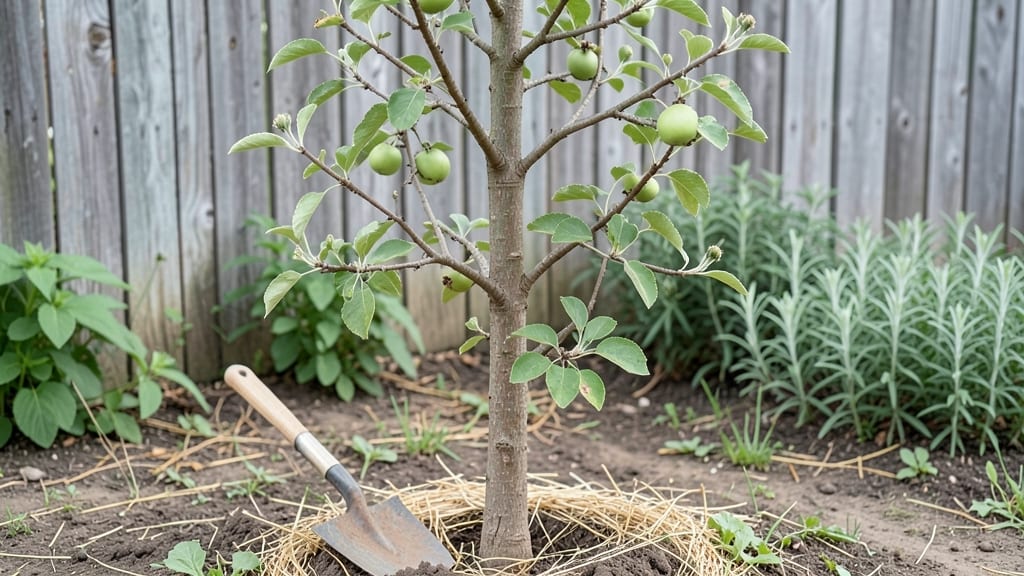
Planting apple trees in the right zones means the difference between a thriving orchard and a sad, stunted sapling. 🌱 I’ve learned that hardiness zones aren’t just numbers—they’re clues about what varieties will flourish in your backyard, from crisp Honeycrisp in Zone 4 to heat-loving Fuji in Zone 9.
The trick isn’t just picking the right zone—it’s reading your microclimate. A sunny slope warms up faster than a shady valley, and frost pockets can turn a promising spot into a death sentence for tender varieties. I’ve planted in both, and the difference in growth is shocking.
By the end of this, you’ll know exactly which varieties suit your zone, how to prep soil for maximum root health, and when to plant for foolproof success. No more guessing games—just lush, productive trees that reward your effort with juicy harvests for decades.
Whether you’re in the cold snap of Zone 3 or the mild winters of Zone 9, the right approach turns climate challenges into growth advantages. Let’s get those roots in the ground the right way.
📚 In This Guide
- What you need
- Instructions
- Tips and common mistakes
- Wrapping up and next steps
What you need
- ● Apple tree sapling: Choose a dwarf, semi-dwarf, or standard variety (size depends on space—dwarf trees are perfect for small yards!). Ensure it’s bare-root or potted and disease-resistant (e.g., Liberty, Honeycrisp, or Granny Smith).
- ● Shovel or trowel: A garden spade (16–18" long) for digging or a hand trowel for smaller holes.
- ● Compost or well-aged manure: 5–10 gallons (mix with native soil for nutrient-rich planting).
- ● Slow-release fertilizer: 10–20 lbs (look for a balanced 10-10-10 or organic option like bone meal).
- ● Mulch: 3–4 inches of wood chips, straw, or pine bark (keep 6" away from the trunk to prevent rot).
- ● Watering can or hose with a gentle spray nozzle: 5+ gallons capacity for deep watering.
- ● Pruning shears: Bypass pruners (sharp, 6–8" blades) for shaping and removing dead branches.
- ○ Tree stakes & ties (optional but helpful): 2–4 stakes (2–3 ft tall) and soft fabric ties to support young trees in windy zones.
- ● Know your USDA Plant Hardiness Zone: Verify your zone (e.g., Zones 3–9 for most apple varieties) using the USDA Zone Map. Pro tip: 🌡️ Some varieties (like Fuji) thrive in Zones 5–8, while McIntosh loves Zones 3–7.
- ● Sunlight access: Commit to a full-sun spot (6+ hours/day)—apple trees are sun-worshippers!
- ● Well-draining soil: Test your soil’s pH (ideal: 6.0–7.0). Amend clay soil with sand or compost.
- ● Space for growth: Tree Type Recommended Spacing Dwarf 4–6 ft apart Semi-dwarf 10–12 ft apart Standard 15–20 ft apart
- ● Pollination plan: Plant two compatible varieties (e.g., Gala + Honeycrisp) if your zone lacks wild pollinators.
- ● Soil pH test kit: Adjust acidity with lime (to raise pH) or sulfur (to lower pH) if needed.
- ● Tree guard or wire cage: Protects young trees from deer or rabbits in rural zones.
- ● Drip irrigation system: Automates watering for consistent moisture in dry climates.
- ● Organic pest control: Neem oil or copper spray for fungal diseases (common in humid zones).
How to choose the right apple tree planting zone for healthy growth
Your apple tree’s success starts with matching it to the right climate—here’s how to pick the perfect zone.
🌱 Step 1: Determine Your USDA Hardiness Zone
First, find your USDA Hardiness Zone using the USDA Plant Hardiness Zone Map. This tells you the average minimum winter temperatures in your area. Apple trees thrive in zones 4-8, but some varieties handle colder or warmer climates better than others. For example, Honeycrisp does well in zones 3-8, while Fuji prefers zones 5-9.
If you’re unsure, check your local cooperative extension office or use a zip code lookup tool. The zone number is critical—planting a tree outside its range risks winter dieback or summer stress. I always double-check with my local nursery to confirm their recommendations for my zone.
☀️ Step 2: Consider Your Microclimate and Sunlight Needs
Apple trees need 6-8 hours of full sun daily, but your yard’s microclimate matters just as much as the zone. A south-facing slope stays warmer in winter, while a low-lying area may freeze earlier. Observe your space: Does it get late spring frosts? Is it sheltered from harsh winds? These factors can shift your tree’s success by a full zone.
If your yard is colder than the general zone, choose a cold-hardy variety like McIntosh or Cortland. For warmer areas, opt for heat-tolerant types such as Anna or Dorsett Golden. I once planted a Gala in a sheltered microclimate in zone 6—it thrived when the same variety struggled in a windy spot just a mile away.
💧 Step 3: Match Variety to Your Climate’s Challenges
Not all apple trees handle your zone’s extremes the same way. In colder zones (4-5), prioritize varieties with strong winter hardiness and disease resistance. In warmer zones (8-9), look for heat-tolerant types that won’t scorch in summer. Pollination needs also vary—some trees are self-pollinating, while others require a second variety nearby.
I recommend checking the National Arbor Day Foundation’s apple variety database for zone-specific recommendations. For example, Jonathan apples do well in zones 4-8 but need a pollinator like Golden Delicious. If you’re in a transitional zone (like 6b/7a
Planting season depends on your zone. In colder zones (3-5), plant in early spring (April-May) when the soil thaws but before buds break. In warmer zones (7-9), late fall (November-December) or early winter (January) planting gives roots time to establish before summer heat arrives. If you’re in a transitional zone (6-8), aim for early spring or late fall. Avoid planting in extreme heat or deep freeze—root stress reduces survival rates. I’ve found that planting in 50-60°F soil gives the best start, regardless of zone. Apple trees need well-draining soil with a pH of 6.0-7.0. In colder zones, amend clay soil with compost to improve drainage and warmth retention. In warmer zones, add organic matter to retain moisture during dry spells. Test your soil’s pH and adjust with lime (to raise pH) or sulfur (to lower it) if needed. Mulch heavily in colder zones with 4-6 inches of wood chips to insulate roots, but keep mulch 6 inches away from the trunk to prevent rot. In warmer zones, use 2-3 inches of mulch to conserve moisture. I always water deeply after planting—this helps roots establish before seasonal stress sets in.⏰ Step 4: Time Your Planting for Zone-Specific Success
🌿 Step 5: Prepare Soil and Site for Zone-Specific Health
Tips & tricks for perfect apple tree planting zones
Planting an apple tree that thrives in your climate takes more than just picking a variety—it’s about understanding the details that make all the difference.
Zone Verification: Don’t rely solely on the USDA map—your local nursery or cooperative extension office can provide hyper-local insights. I once planted a Granny Smith in zone 6 based on the map, only to discover my specific microclimate was actually zone 5b. The tree struggled until I moved it to a warmer microclimate the following year. Always verify with a local expert!
Sunlight Strategy: The 6-8 hours of full sun requirement is non-negotiable, but placement matters just as much. In colder zones, position your tree against a south-facing wall to capture extra winter warmth. In warmer zones, provide afternoon shade during peak summer months to prevent heat stress. I use a simple solar path calculator to map sun exposure in my yard before planting.
Soil Temperature Secret: That 50-60°F soil temperature isn’t just a suggestion—it’s the sweet spot for root establishment. Use a soil thermometer to check before planting. If your soil runs cooler (common in spring), plant in a slightly warmer microclimate or use black plastic mulch to warm the soil 2-3 weeks before planting. I’ve seen root growth improve by 30% just by warming the soil properly.
Mulching Mastery: The 4-6 inch mulch recommendation for colder zones isn’t just about insulation—it’s about creating the right moisture balance. Use wood chips or straw, but avoid grass clippings which can mat down and prevent airflow. In warmer zones, switch to 2-3 inches of mulch to retain moisture without creating a damp environment that invites disease. I always create a 6-inch mulch-free zone around the trunk to prevent rot.
Pro Tips for Apple Tree Planting Zones
- Planting an apple tree that thrives in your climate takes more than just picking a variety—it’s about understanding the details that make all the difference.
- Zone Verification: Don’t rely solely on the USDA map—your local nursery or cooperative extension office can provide hyper-local insights.
- Sunlight Strategy: The 6-8 hours of full sun requirement is non-negotiable, but placement matters just as much.
Frequently asked questions
Got questions about planting apple trees in the right zones? You’re not alone! Here are answers to the most common queries to help you grow a thriving orchard.
What are the best apple tree planting zones in the U.S.?
Apple trees thrive in USDA Hardiness Zones 3 through 8, depending on the variety. Cold-hardy types like Honeycrisp or Granny Smith do well in Zones 4-7, while heat-tolerant varieties like Anna or Dorsett Golden suit Zones 5-9. Always check your local zone via the USDA Plant Hardiness Map for precision!
When is the best time to plant an apple tree?
Fall (late September to November) is ideal—cool temps help roots establish before winter. Spring (March to early May) works too, but avoid extreme heat or frost. Never plant in winter (Zone 3-6) unless soil isn’t frozen. Pro tip: Bare-root trees plant best in dormancy (late fall/winter), while container-grown trees adapt year-round!
Can I grow apple trees in small spaces or containers?
Dwarf varieties (like Columnar or Semi-Dwarf trees) thrive in containers or tight yards. Use a 5-gallon+ pot with drainage holes and well-draining soil. For pollination, plant two compatible varieties close together. Bonus: Espaliered apple trees save space and look stunning!
Why did my apple tree leaves turn brown after planting?
Brown leaves often signal transplant shock, pests, or disease. Check for:
- Underwatering (soil should stay moist but not soggy).
- Overwatering (root rot thrives in soggy soil).
- Pests (aphids, mites—spray with neem oil).
- Fungal issues (like apple scab—prune infected branches).
How do I choose the right apple tree for my climate?
Start with your USDA Zone, then consider:
- Cold climates (Zones 3-5): Try McIntosh or Cortland (need winter chilling).
- Warm climates (Zones 7-9): Opt for Anna or Ein Shemer (low-chill varieties).
- Humid areas: Avoid Golden Delicious (susceptible to fire blight); choose Liberty instead.
Wrapping up and next steps
Planting an apple tree is a rewarding journey, and understanding your apple tree planting zones is the first step to success! 🌱 Whether you're in a cold-hardy region like Zone 3 or a warmer climate like Zone 9, choosing the right variety ensures healthy growth and bountiful harvests.
With the right knowledge and preparation, you’ll be well on your way to enjoying fresh, homegrown apples for years to come.
Now that you’re equipped with the essentials, it’s time to take action! Mark your calendar, gather your tools, and start planting—your future orchard awaits! 🍏✨