
Watering
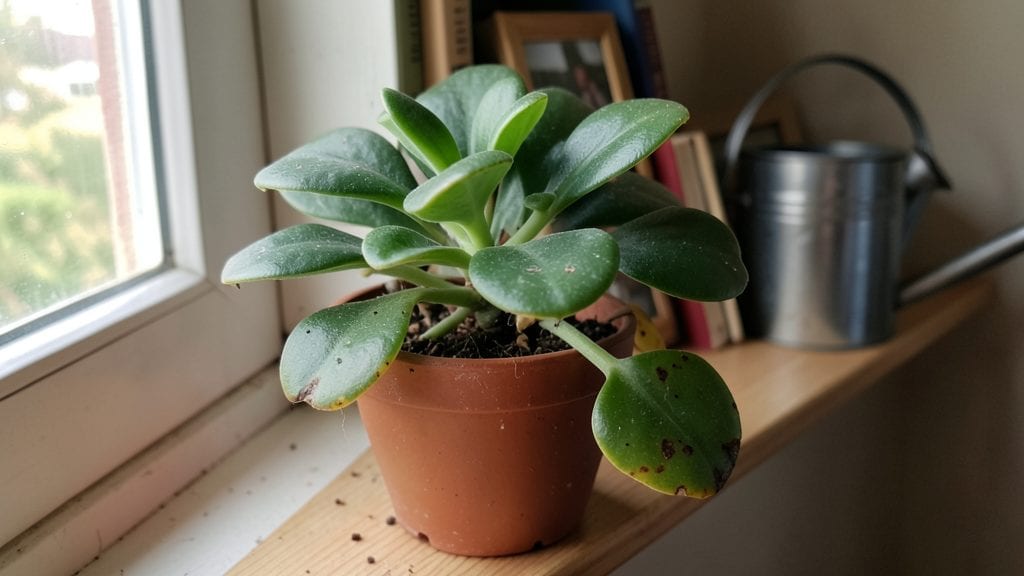
Even an accidentally overwatered plant is the fastest way to kill it—even I’ve drowned more than a few before learning the hard way. 🌱 The telltale signs are unmistakable: yellowing leaves, mushy stems, and soil that smells sour instead of earthy.
But here’s the good news: most overwatered plants can bounce back with the right care.
The first step is stopping the damage by letting the soil dry out completely. I pull the plant from its pot, gently shake off excess soil, and check the roots—if they’re black or mushy, they’re rotting.
Trim away the bad roots with clean scissors, then repot in fresh, well-draining soil. For houseplants, terracotta pots help wick away moisture faster than plastic.
Once you’ve saved the roots, adjust your watering routine. I stick my finger an inch into the soil before watering—if it’s damp, I wait. Overwatered plants also need better drainage, so add perlite or orchid bark to the soil mix.
Within weeks, you’ll see new growth pushing through, proving your green thumb isn’t lost forever.
This method works for everything from ferns to succulents, though tropical plants need slightly more humidity. The key is patience—root revival takes time, but the results are worth it. Let’s turn those sad, soggy leaves into lush, thriving foliage again.
The Real Culprits Behind Overwatering
Even the most seasoned plant parents can fall victim to the silent killer of houseplants—too much love, too soon. 💦 Overwatering isn’t just a mistake; it’s a chain reaction of missteps, often rooted in well-meaning habits or overlooked plant needs.
Let’s break down the science (and the sneaky habits) that turn your green friends into soggy casualties.
Not all soil is created equal, and neither are its drainage properties. When soil retains water like a sponge, roots suffocate because they can’t "breathe." Here’s why it happens:
- Compacted or clay-heavy soil: These soils have tiny air pockets, trapping water and cutting off oxygen to roots. Think of it like trying to breathe through a wet towel—not fun. 😵
- Lack of perlite or sand: Amendments like perlite or coarse sand create air gaps, but skipping them turns potting mix into a waterlogged brick.
- Terracotta vs. plastic pots: Terracotta wicks away moisture, while plastic pots act like a greenhouse, trapping humidity and moisture. If your plant’s in a plastic prison, it’s drowning in its own sweat. 🏚️💦
Actionable fix: Test your soil’s drainage by filling a pot with water—if it drains in less than 10 minutes, you’re golden. If it pools like a swamp, amend with perlite or switch pots.
Sticking to a rigid "every Tuesday and Thursday" routine is a fast track to root rot. Plants don’t wear watches—they respond to environmental cues, like temperature, humidity, and light. Here’s how schedules backfire:
- Seasonal neglect: Winter slows metabolism, so watering the same amount as summer = overwatering. 🌨️ Plants hibernate; don’t drown their dreams.
- Humidity mismatches: A tropical fern in dry air needs less water than one in a steamy bathroom. Humidity = the plant’s natural irrigation system.
- Light deprivation: Low light = less transpiration (water loss through leaves). Without sunlight, plants can’t "drink" efficiently, leading to waterlogged roots.
Actionable fix: Use the finger test: Stick your index finger 1–2 inches into the soil. If it’s damp, wait. If it’s dry, it’s time to water. Pro tip: Morning watering gives plants time to dry out before nightfall humidity sets in. ☀️
Rainwater and misting might seem harmless, but they’re stealth contributors to overwatering. Here’s how they sneak up on you:
- Rainwater accumulation: Potted plants on balconies or windowsills can absorb more water than you think during downpours. A quick shower can add ½ inch of water to soil—enough to send roots into shock.
- Misting myths: While misting boosts humidity for plants like ferns, it also adds moisture to leaves and soil surface. If you mist daily, you’re essentially giving your plant a daily bath—and no one wants to live in a wet towel. 🧦
- Grouped plants: Clustered pots create a microclimate where humidity spikes, tricking you into thinking they’re thirsty when they’re already soaked.
Actionable fix:
- Move potted plants under cover during heavy rain.
- Mist only if the soil is bone-dry, and use a spray bottle with a fine mist setting to avoid waterlogging.
- Space pots 2–3 inches apart to improve airflow and reduce humidity buildup.
Not all plants are created equal—some are water hogs, while others are desert survivors. Pairing a tropical monstera with a cactus’s lifestyle is like giving a goldfish a swimming pool… and then a desert. Here’s how it goes wrong:
- Tropical plants in dry climates: Think ferns, calatheas, or peace lilies. These babies crave humidity and will protest by wilting or developing brown, crispy edges—but that’s often a sign of root stress from overwatering, not thirst.
- Succulents in regular soil: Succulents store water in their leaves, but if planted in regular potting mix, their roots rot faster than a snowman in July. 🏔️🔥
- Ignoring care labels: That tag on your new plant isn’t just for show—it’s a survival manual. Skipping it is like ignoring a doctor’s instructions.
Actionable fix:
- Research your plant’s native habitat. If it grows in rainforests, mimic humidity with a pebble tray. If it’s from a desert, use cactus/succulent mix.
- Group like-minded plants together. Tropicals with tropicals, succulents with succulents—no mixed signals.
- When in doubt, underwater. Most plants would rather have dry soil than soggy roots.
Overwatering is rarely a single mistake—it’s a perfect storm of habits, environment, and plant personality. But now that you know the science, you can rewrite the script and give your plants the just-right amount of H2O. 💧✨
Revive Your Plant Now: Step-by-Step Fixes
When your plant has had a little too much love in the watering department, don’t panic—it’s often fixable! The key is acting fast and addressing the root of the problem (literally).
Below are practical, plant-specific solutions tailored to the most common causes of overwatering, plus tips to keep your green friend thriving long-term.
Cause: Soggy soil starves roots of oxygen, leading to rot and yellowing foliage.
Fix:
- Stop watering immediately – Let the soil dry out completely before watering again.
- Repot if needed – If the roots smell foul or look mushy, gently remove the plant, trim any black/dark roots with sterilized scissors, and repot in fresh, well-draining soil.
- Adjust your watering routine – Stick your finger 1-2 inches deep into the soil before watering. If it’s damp, wait.
Prevention Tip: 💡 Use a moisture meter or try the "knuckle test"—if your knuckle feels damp after pressing into the soil, hold off on watering.
Cause: Overwatering weakens roots, causing the plant to collapse under its own weight.
Fix:
- Give it air – Move the plant to a bright, indirect light spot (but avoid harsh sun, which stresses weak roots).
- Trim damaged leaves – Snip off any yellow, brown, or mushy leaves to redirect energy to recovery.
- Boost drainage – If the pot lacks holes, transfer the plant to one with drainage or add perlite/pumice to the soil mix.
Pro Tip: ✨ For succulents or cacti, let the soil dry out completely between waterings—even if it means waiting weeks!
Cause: Excess moisture creates the perfect breeding ground for fungus or bacteria.
Fix:
- Remove the plant – Gently take it out of the pot and rinse the roots with lukewarm water to dislodge old soil.
- Disinfect the pot – Scrub it with a 1:10 bleach-water mix, rinse well, and dry before repotting.
- Use fungicide (if severe) – Spray the roots with a natural fungicide (like neem oil or hydrogen peroxide solution) before repotting in fresh, sterile soil.
Prevention Tip: 🌡️ Avoid watering at night—cool, damp conditions speed up fungal growth.
Cause: Compacted, waterlogged soil cuts off oxygen, stunting growth.
Fix:
- Loosen the soil – Use a fork or your fingers to aerate the top layer of soil without disturbing the roots.
- Add organic matter – Mix in compost or coconut coir to improve drainage and nutrient absorption.
- Water deeply but less often – Let the soil dry out at least halfway before the next watering.
Plant Hack: 🔥 For houseplants like pothos or snake plants, bottom-watering (placing the pot in a tray of water for 10-15 mins) gives roots better control over hydration.
For severely overwatered plants (e.g., houseplants, herbs):
- Soak the roots – Place the plant in a bowl of room-temperature water for 10-15 minutes to flush out excess salts.
- Dry thoroughly – Let it sit in a shady spot for 24-48 hours to evaporate moisture.
- Repot in fresh mix – Use a fast-draining blend (e.g., 60% potting soil, 30% perlite, 10% vermiculite).
Warning: ⏰ Don’t skip the drying step—this can drown the plant faster!
- Know your plant’s needs – Research its native habitat (e.g., desert plants = dry soil; tropical plants = consistently moist).
- Upgrade your pots – Terracotta wicks away moisture, while plastic traps it.
- Group plants by water needs – Cluster high-moisture lovers (like ferns) together and water them separately from succulents.
- Use self-watering tricks – Try ice cubes for succulents (they melt slowly) or wicking systems for thirsty plants.
Remember: Most plants bounce back with patience and proper care—don’t give up after one try! 🌿💚
Frequently asked questions
How do I know if my plant is overwatered vs. underwatered?
Check the soil first—stick your finger 1-2 inches deep. If it's damp or smells sour, it's overwatered. Look for yellowing leaves (especially lower ones), mushy stems, or wilting despite wet soil. Underwatered plants have crispy brown edges and dry, pulling soil. The key difference? Overwatered plants feel heavy and soggy, while underwatered ones are light and crumbly.
Can I save a plant with black, mushy roots?
Yes, but you'll need to act fast! Trim away all black/mushy roots with clean scissors, then repot in fresh, well-draining soil. For severe cases, soak the roots in a 1:10 hydrogen peroxide solution for 10 minutes to kill fungus before repotting. Afterward, water lightly and place in bright, indirect light—avoid watering again for 5-7 days to let roots recover.
Why does my plant keep getting overwatered even when I'm careful?
It might be your pot or soil! Plastic pots trap moisture, while terracotta wicks it away. Test your soil's drainage: Fill a pot with water—if it drains in less than 10 minutes, you're good. If not, add perlite or sand to improve airflow. Also, check your watering routine: Morning watering gives soil time to dry, while evening watering keeps roots damp overnight.
Is it better to underwater or overwater plants?
Most plants prefer underwatering—they can survive dry soil longer than soggy roots. The exception? Tropical plants like ferns or peace lilies need consistently moist (not wet) soil. For succulents and cacti, dry soil is normal between waterings. The golden rule: When in doubt, wait. Let the top 1-2 inches of soil dry completely before watering again.
How long does it take for an overwatered plant to recover?
Recovery time varies, but you'll see signs of improvement in 2-4 weeks with proper care. New growth should appear within 3-6 weeks if roots are healthy. For severely damaged plants, it may take 2-3 months. Monitor soil moisture closely—overwatered plants are sensitive to sudden changes. Patience is key: Focus on drainage, light, and letting the soil dry out completely between waterings.